

Many athletes recovering from traumatic brain injury face confusion about cognitive recovery timelines and available support options. Misconceptions often lead to frustration and delayed healing. Natural supplements like Lion’s Mane, targeted cognitive training programs, and strategic exercise interventions offer evidence-backed pathways to enhance brain function and accelerate recovery. This guide explores safe, scientifically supported approaches that help TBI athletes restore memory, attention, and mental clarity while promoting long-term brain health through natural means.
Table of Contents
- Understanding Cognitive Challenges After Traumatic Brain Injury
- Natural Supplements That Support Cognitive Recovery In TBI Athletes
- Cognitive Training And Exercise To Enhance Brain Recovery Post-TBI
- Combining Supplements, Training, And Lifestyle For Optimal Cognitive Recovery
- Explore Targeted Support With Cortex Supplements
- FAQ
Key takeaways
| Point | Details |
|---|---|
| Natural supplements support neuron health | Lion’s Mane, Alpha-GPC, and MCT oils promote brain cell growth and cognitive function after TBI. |
| Magnesium and B vitamins enhance recovery | These nutrients cross the blood-brain barrier to improve memory and accelerate nerve repair. |
| Exercise drives neuroplasticity | Regular aerobic activity reduces brain cell death and improves executive function post-injury. |
| Cognitive training accelerates gains | Programs like SMART deliver memory improvements three times faster than traditional rehabilitation. |
| Combination therapies show promise | Pairing supplements with structured training optimizes neurological recovery outcomes. |
Understanding cognitive challenges after traumatic brain injury
TBI disrupts multiple cognitive domains that athletes depend on for peak performance and daily functioning. Memory lapses, reduced attention span, impaired executive function, and slower processing speed commonly emerge after brain injury. These deficits extend beyond the field, affecting decision making, problem solving, and social interactions.
Recovery involves intricate biological processes. Neuron repair, inflammation reduction, and neuroplasticity work together to restore brain function. Exercise promotes neuroplasticity while reducing cell death and improving memory and executive function. Physical activity stimulates growth factors that help brain cells regenerate and form new connections.
Athletes face unique challenges during cognitive recovery:
- Return to play decisions require careful cognitive assessment and readiness
- Performance anxiety compounds existing cognitive deficits
- High baseline cognitive demands make subtle impairments more noticeable
- Pressure to resume training can interfere with proper healing time
Recognizing these challenges represents the first step toward targeted intervention. Understanding your specific cognitive deficits allows you to select appropriate support strategies. Comprehensive natural supplements for brain health offer one avenue for addressing these challenges through biological mechanisms that support neural repair.
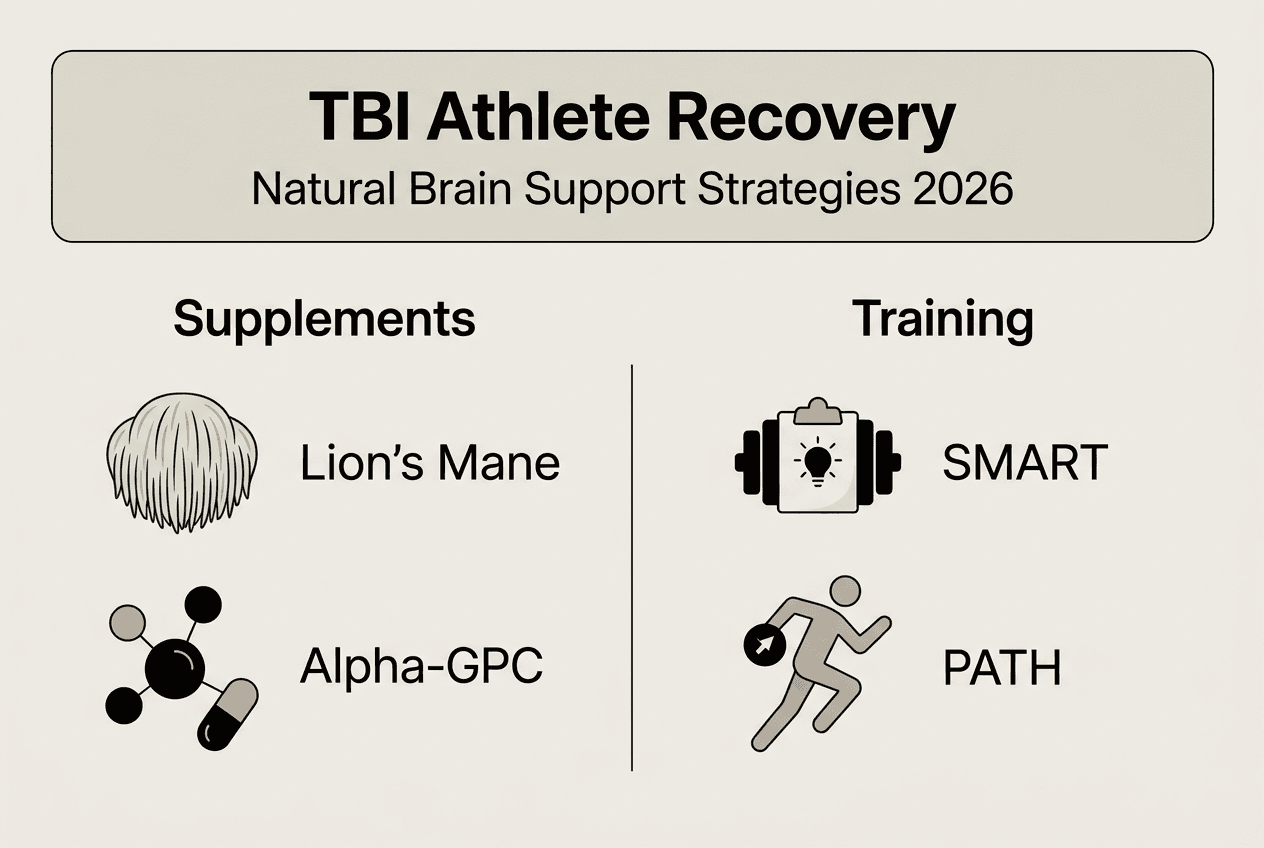
The brain’s remarkable capacity for adaptation means recovery is possible with the right approach. Targeted interventions that address inflammation, provide essential nutrients, and stimulate neural growth create optimal conditions for healing. Athletes who understand their cognitive challenges can make informed decisions about supplements, training, and lifestyle modifications that accelerate recovery.
Natural supplements that support cognitive recovery in TBI athletes
Evidence-based natural supplements provide targeted support for brain repair and cognitive function. These compounds work through distinct mechanisms to address the biological challenges TBI creates.
Lion’s Mane mushroom stands out for promoting neuron growth and cognitive enhancement. Clinical doses around 500mg daily stimulate nerve growth factor production, supporting brain cell regeneration. This powerful mushroom helps rebuild neural pathways damaged by injury.
Alpha-GPC enhances acetylcholine, a neurotransmitter critical for memory and learning. Typical doses of 300mg per serving restore neurotransmitter balance disrupted by TBI. This compound crosses the blood-brain barrier efficiently to deliver cognitive support where it’s needed most.
C8 MCT oil provides an alternative energy source for injured brain tissue. Natural supplements support TBI recovery by supplying ketones that fuel brain metabolism when glucose utilization is impaired. An 8g dose delivers sustained mental energy without blood sugar crashes.
| Supplement | Primary Benefit | Typical Dose | Mechanism |
|---|---|---|---|
| Lion’s Mane | Neuron growth | 500mg daily | Stimulates nerve growth factor |
| Alpha-GPC | Memory support | 300mg serving | Boosts acetylcholine levels |
| C8 MCT | Brain energy | 8g daily | Provides ketone fuel |
| Magnesium L-Threonate | Memory enhancement | 144mg elemental | Crosses blood-brain barrier |
| B Complex | Nerve repair | Varies by formula | Reduces cellular stress |
Magnesium L-Threonate crosses the blood-brain barrier to support cognitive function and memory while potentially improving concussion outcomes. This unique form of magnesium reaches brain tissue more effectively than standard supplements. B vitamins enhance nerve repair post-TBI by supporting cellular metabolism and reducing oxidative stress.
L-Theanine offers calming effects that reduce inflammation and promote focused relaxation. This amino acid helps manage the anxiety and stress that often accompany cognitive recovery. Omega-3 fatty acids, creatine, curcumin, and CoQ10 contribute additional antioxidant and neuroprotective benefits.
Pro Tip: Start with one or two core supplements like Lion’s Mane and Magnesium L-Threonate before adding others. This approach helps you identify which compounds deliver the most noticeable benefits for your specific recovery needs.
Quality matters significantly when selecting supplements. Look for third-party testing, transparent sourcing, and clinically relevant doses. Natural brain supplements should list specific compound forms and concentrations rather than proprietary blends. Research on nutraceuticals for cognitive recovery continues to expand our understanding of optimal formulations.
The synergistic effects of combining multiple supplements may exceed individual benefits. Lion’s Mane supports neurogenesis while other compounds address inflammation, energy metabolism, and neurotransmitter balance. This multi-target approach addresses the complex nature of TBI recovery.
Cognitive training and exercise to enhance brain recovery post-TBI
Structured cognitive rehabilitation programs deliver measurable improvements in brain function after injury. These interventions go beyond traditional rehabilitation by targeting specific neural pathways and cognitive processes.
Strategic Memory Advanced Reasoning Training represents a breakthrough approach. SMART achieves cognitive gains in mild TBI athletes and service members in one-third the time of traditional rehabilitation. This program proves effective across varying PTSD levels, making it valuable for athletes dealing with multiple challenges.
PATH dorsal visual pathway retraining specifically targets visual working memory deficits. PATH yields 49% improvement in visual working memory compared to 13% with conventional approaches in mild TBI cases. This dramatic difference highlights the power of targeted neuroplasticity interventions.
| Training Type | Target Area | Improvement Rate | Time to Results |
|---|---|---|---|
| SMART | Memory, reasoning | 3x faster than traditional | 8-12 weeks |
| PATH | Visual working memory | 49% vs 13% conventional | 6-8 weeks |
| Traditional rehab | General cognition | Baseline comparison | 24+ weeks |
Regular aerobic exercise provides complementary benefits to cognitive training. Light physical activity promotes neuroplasticity while reducing brain cell death and improving memory and executive function. Exercise stimulates brain-derived neurotrophic factor, a protein essential for neural growth and survival.
Implementing an effective cognitive recovery program involves several steps:
- Assess baseline cognitive function through neuropsychological testing to identify specific deficits
- Select training programs that target your primary cognitive challenges
- Establish a consistent exercise routine with gradual intensity progression
- Monitor progress through regular cognitive assessments every 4-6 weeks
- Adjust training intensity and focus based on recovery milestones
Pro Tip: Combine cognitive training sessions with light aerobic exercise on the same day. Research suggests this pairing maximizes neuroplasticity by priming the brain for learning and adaptation.
The mechanisms behind these improvements involve multiple biological pathways. Cognitive training strengthens existing neural connections while promoting formation of new pathways. Exercise increases blood flow, delivers oxygen and nutrients, and triggers release of growth factors that support brain repair.
“Strategic cognitive training programs like SMART and PATH represent the future of TBI rehabilitation. They harness neuroplasticity principles to deliver faster, more complete recovery than passive rest or generic rehabilitation exercises.”
Athletes benefit particularly from these structured approaches because they mirror the goal-oriented training mindset already familiar from sports. Setting cognitive performance targets and tracking progress creates motivation and accountability. Supplements for cognitive support work synergistically with training programs to optimize outcomes.
Consistency matters more than intensity in early recovery stages. Start with manageable training sessions and gradually increase difficulty as cognitive capacity improves. Natural sports recovery methods should complement rather than overwhelm your healing process.
Combining supplements, training, and lifestyle for optimal cognitive recovery
Integrating multiple evidence-based strategies creates synergistic effects that exceed individual interventions. A comprehensive approach addresses cognitive recovery from multiple angles simultaneously.
Use supplements consistently at clinically validated doses. Taking Lion’s Mane or Alpha-GPC sporadically delivers minimal benefit compared to daily use over several weeks. Your brain needs sustained nutritional support to repair damaged tissue and form new connections.
Incorporate structured cognitive training programs like SMART and PATH for targeted mental exercise. These programs provide the specific challenges your brain needs to rebuild neural pathways. Schedule training sessions when you feel most alert, typically earlier in the day for TBI athletes.
Maintain regular light aerobic exercise to support continued brain health. Walking, cycling, or swimming at moderate intensity for 20-30 minutes daily provides sufficient stimulus without overtaxing your recovery. Listen to your body and adjust intensity if symptoms worsen.
Key lifestyle factors that support neural repair:
- Prioritize 7-9 hours of quality sleep to allow brain cleanup and consolidation processes
- Stay hydrated with at least 64 ounces of water daily to support cellular function
- Eat anti-inflammatory foods rich in omega-3s, antioxidants, and complex carbohydrates
- Minimize alcohol consumption which interferes with brain healing
- Manage stress through meditation, breathing exercises, or gentle yoga
- Limit screen time before bed to improve sleep quality
Combined citicoline and Cerebrolysin improves outcomes in severe TBI compared to single therapies, with meta-analyses supporting cognitive improvements. This research demonstrates the power of combination approaches for brain injury recovery.
Monitor your progress through regular self-assessment and objective testing. Keep a recovery journal noting cognitive performance, mood, energy levels, and any symptoms. This data helps you identify which interventions deliver the most benefit and when adjustments are needed.
Consult healthcare professionals before combining therapies, especially if you take medications or have other health conditions. A neurologist or sports medicine physician can provide personalized guidance based on your specific injury and recovery trajectory. Some supplement combinations may interact with medications or require dose adjustments.
Your brain health checklist should include both immediate interventions and long-term maintenance strategies. Recovery doesn’t end when symptoms resolve. Continuing supportive practices protects against future cognitive decline and optimizes brain performance.
Be patient with the process. Cognitive recovery follows a non-linear path with plateaus and occasional setbacks. Consistency over months matters more than perfect execution over days. Trust the biological processes at work and give your brain the time and resources it needs to heal.
Explore targeted support with Cortex supplements
Ready to apply evidence-based cognitive support strategies? Cortex Flow delivers potent Lion’s Mane extract in convenient capsules designed specifically for focus, memory, and brain health enhancement. Our 36:1 freeze-dried extract from 100% fruiting bodies provides concentrated support for neural growth and cognitive function.
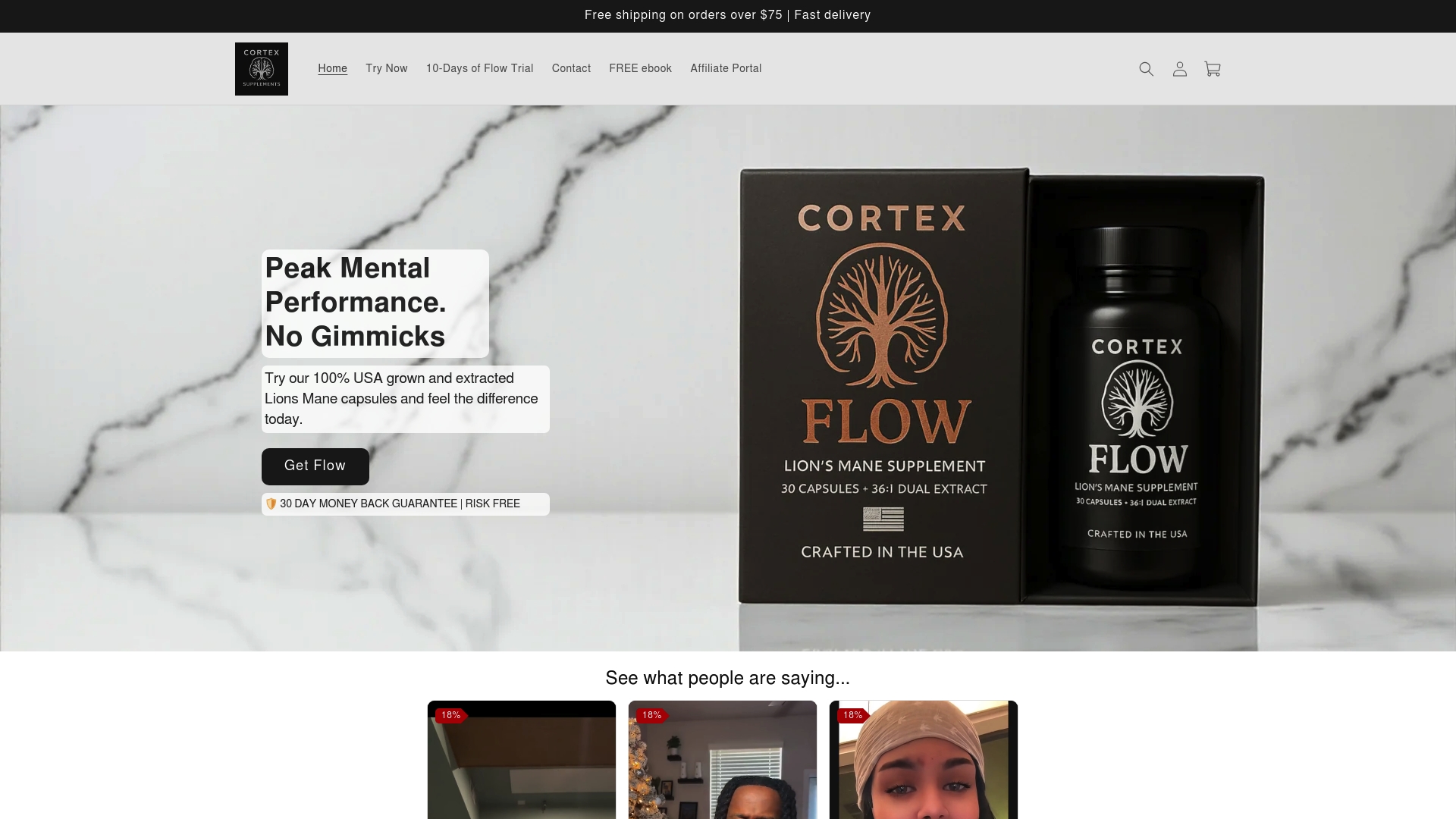
Each bottle contains 30 capsules of pure Lion’s Mane grown and processed in the United States under strict quality standards. Athletes recovering from TBI benefit from the neurogenesis-promoting properties this powerful mushroom offers. Try our 10-Days of Flow sample pack to experience cognitive benefits risk-free before committing to a full supply.
Our Texas-based company provides ongoing support through the 10 Day Flow Check In program, where you can track progress and receive coaching. Cortex supplements complement the natural recovery strategies discussed throughout this guide, offering a scientifically backed foundation for your cognitive healing journey.
FAQ
What are the best natural supplements for cognitive support after a traumatic brain injury?
Lion’s Mane, Alpha-GPC, Magnesium L-Threonate, C8 MCT, and B vitamins rank among the most effective natural supplements for TBI recovery. These compounds support neuron growth, enhance memory, provide alternative brain fuel, and accelerate nerve repair through distinct biological mechanisms. Clinical research demonstrates measurable cognitive improvements when these supplements are used consistently at appropriate doses.
How does cognitive training improve brain function after TBI?
Cognitive training programs like SMART and PATH employ targeted exercises that promote neuroplasticity and strengthen specific neural pathways. SMART accelerates memory and reasoning gains three times faster than traditional rehabilitation, while PATH delivers 49% improvement in visual working memory compared to conventional approaches. These structured programs challenge the brain in ways that stimulate adaptation and recovery.
Can exercise help cognitive recovery in athletes with TBI?
Light aerobic exercise significantly supports cognitive recovery by promoting neuroplasticity, reducing brain cell death, and improving memory and executive function. Regular physical activity stimulates brain-derived neurotrophic factor production, which supports neural growth and survival. Athletes who maintain consistent exercise routines during recovery experience fewer post-concussive symptoms and faster cognitive improvements than those who remain sedentary.
Are there risks combining supplements for TBI recovery?
Consult healthcare providers before combining multiple supplements to avoid potential interactions and ensure safe, effective therapy. Individual medical history, current medications, and specific injury characteristics must guide supplement choices. Some combinations may require dose adjustments or timing modifications to maximize benefits while minimizing risks, making professional guidance essential for optimal outcomes.
Recommended
- Cognitive Support: Enhancing Focus for ADHD Minds – Cortex Supplements
- Natural brain supplements for focus and memory 2026 – Cortex Supplements
- Natural supplements for brain health: 2026 guide – Cortex Supplements
- Brain health checklist: top natural supplements 2026 – Cortex Supplements
- How to Enhance Sports Recovery Naturally for Athletes
