

Choosing the right supplements for chronic traumatic encephalopathy recovery feels overwhelming when you’re facing cognitive decline, mood changes, or memory issues. With countless products claiming to support brain health, athletes and individuals managing CTE symptoms need clear, evidence-based guidance to make informed decisions. This article breaks down the most effective supplement types backed by clinical research, helping you understand which options genuinely support neurological recovery and how to evaluate them for your specific needs. You’ll learn the criteria for selecting brain health supplements, explore top research-supported options, and discover practical strategies for incorporating them into your recovery plan.
Table of Contents
- Key takeaways
- Criteria for choosing supplements for CTE
- Omega-3 fatty acids: a cornerstone supplement
- N-Acetylcysteine (NAC): targeted neuroprotection
- Citicoline and combination therapies
- Comparing key supplements: benefits and considerations
- Explore Cortex supplements for brain health
- Frequently asked questions
Key Takeaways
| Point | Details |
|---|---|
| Omega fats support recovery | Omega fats reduce inflammation and oxidative stress and support neuronal repair, and tracking the omega 3 index helps keep levels above 8 percent. |
| NAC lowers oxidative stress | NAC lowers oxidative stress and supports recovery when dosed appropriately. |
| Citicoline boosts cognition | Citicoline enhances cognitive function after brain injury according to clinical research. |
| Timing matters | Timing matters for effectiveness and dosing should be guided by healthcare providers based on recovery stage. |
Criteria for choosing supplements for CTE
Selecting supplements for chronic traumatic encephalopathy requires more than browsing health food store shelves. You need supplements with proven neuroprotective effects that target the specific mechanisms of brain injury, including inflammation, oxidative stress, and neuronal damage. The most effective options demonstrate measurable improvements in clinical trials, not just theoretical benefits based on ingredient properties.
Timing matters significantly when using supplements for brain injury recovery. Some interventions work best when administered shortly after injury, while others provide ongoing support during long-term recovery. High-risk athletes may benefit prophylactically from Omega-3s with target omega-3 index above 8%, suggesting preventative strategies can reduce injury severity before trauma occurs.
Safety considerations and potential interactions with medications require careful evaluation. Before starting any supplement regimen, consult healthcare providers familiar with traumatic brain injury management. They can assess your specific situation, review current medications, and recommend appropriate dosing based on your recovery stage. Consider these key factors:
- Evidence quality: prioritize supplements with randomized controlled trials
- Biomarker targets: aim for measurable goals like omega-3 index levels
- Administration windows: some supplements lose effectiveness if delayed
- Drug interactions: certain supplements affect medication metabolism
Pro Tip: Track your omega-3 index through blood testing to ensure you’re reaching therapeutic levels above 8%. This objective measure helps you adjust dosing rather than guessing if your supplement regimen is working. Explore our brain health checklist for comprehensive guidance on monitoring your neurological wellness.
Omega-3 fatty acids: a cornerstone supplement
Omega-3 fatty acids, particularly EPA and DHA, represent one of the most thoroughly researched supplements for traumatic brain injury and CTE management. These essential fats reduce oxidative stress, inflammation, and support neuronal integrity in TBI/CTE recovery with strong evidence from both animal models and human studies. Your brain contains high concentrations of DHA, making adequate omega-3 levels essential for maintaining cellular membrane integrity and supporting repair processes after injury.
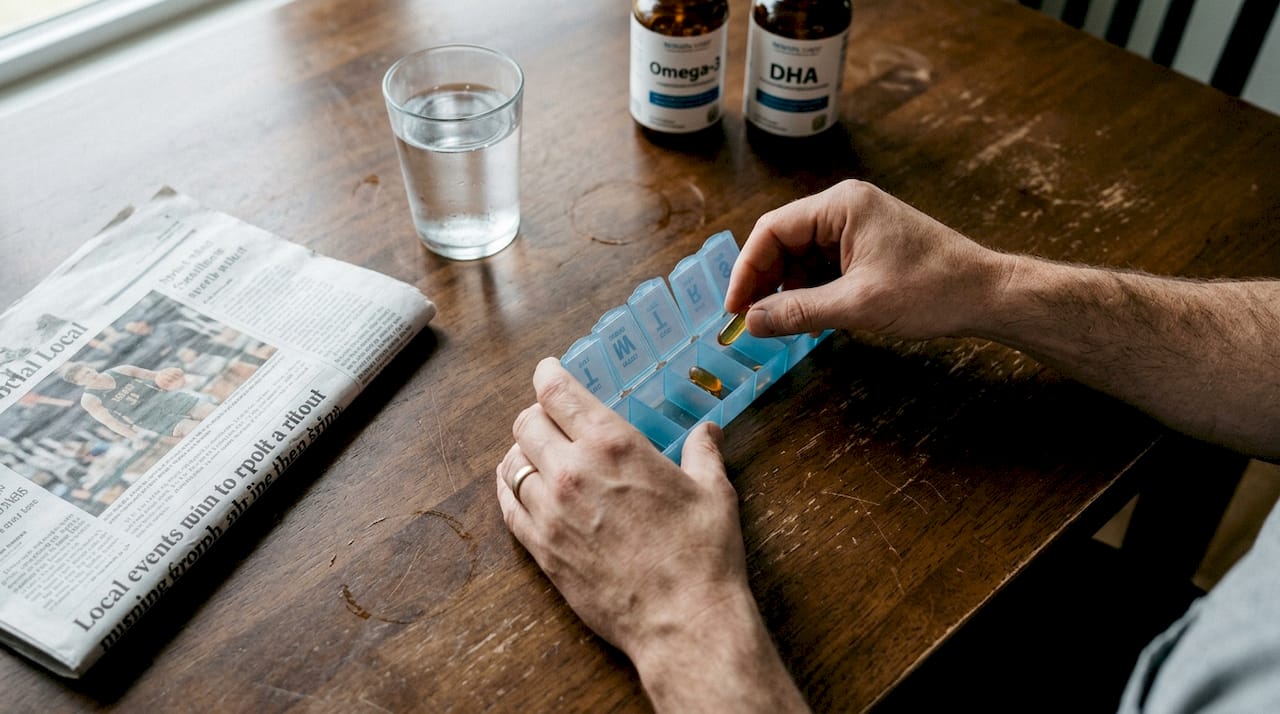
The neuroprotective mechanisms of omega-3s work through multiple pathways. They reduce inflammatory cytokine production, decrease oxidative damage to brain tissue, and support the formation of new neural connections during recovery. Animal studies demonstrate significant benefits when omega-3s are administered post-injury, with improvements in cognitive function and reduced tissue damage. For athletes at high risk of repeated head impacts, maintaining an omega-3 index above 8% may provide prophylactic protection, potentially reducing injury severity if trauma occurs.
Dosing strategies vary based on whether you’re using omega-3s preventatively or as part of active recovery. High-risk athletes should target therapeutic blood levels through regular supplementation, while those recovering from recent injuries may benefit from higher initial doses. Quality matters significantly, as fish oil supplements vary widely in purity and concentration. Consider these implementation strategies:
- Choose supplements with third-party testing for purity and potency
- Target combined EPA and DHA doses of 2,000 to 4,000 mg daily
- Monitor omega-3 index through blood testing every 3 to 6 months
- Combine with vitamin E to prevent oxidation of fatty acids
“Maintaining optimal omega-3 levels isn’t just about taking supplements. It’s about achieving measurable biomarker targets that correlate with neuroprotection. Athletes serious about brain health should treat omega-3 index like any other performance metric.”
Pro Tip: Take omega-3 supplements with meals containing fat to maximize absorption. The presence of dietary fat triggers bile release, which dramatically improves how much EPA and DHA your body actually absorbs from supplements. Learn more about optimizing brain health supplements for maximum effectiveness.
N-Acetylcysteine (NAC): targeted neuroprotection
N-Acetylcysteine delivers powerful antioxidant protection by replenishing glutathione, your brain’s primary defense against oxidative stress following traumatic injury. This amino acid derivative crosses the blood-brain barrier effectively, allowing it to work directly in injured brain tissue where oxidative damage occurs most intensely. High-dose NAC improved Glasgow Coma Scale scores and reduced ICU stay in randomized controlled trials for moderate to severe TBI, demonstrating measurable clinical benefits beyond theoretical mechanisms.
The timing of NAC administration critically affects its effectiveness. Clinical trials show the greatest improvements when NAC is given within 24 hours of injury, with diminishing returns as the treatment window extends. This narrow therapeutic window reflects the acute phase of oxidative stress following brain trauma, when free radical damage peaks and antioxidant defenses are overwhelmed. For athletes managing chronic symptoms from past injuries, NAC may still provide ongoing support by reducing persistent inflammation and oxidative stress.
Combining NAC with other neuroprotective supplements creates synergistic effects that enhance overall recovery. The antioxidant properties of NAC complement the anti-inflammatory effects of omega-3 fatty acids, addressing multiple injury mechanisms simultaneously. Implementation considerations include:
- Optimal dosing ranges from 1,200 to 2,400 mg daily in divided doses
- Earlier administration (within 24 hours post-injury) yields superior results
- Can be combined safely with omega-3s and citicoline for comprehensive support
- Monitor for mild gastrointestinal side effects, especially at higher doses
- Consult healthcare providers about timing relative to any acute medical treatments
For athletes concerned about repeated head impacts and long-term brain health, NAC offers a research-backed option worth discussing with sports medicine professionals. Explore cognitive support strategies to understand how NAC fits into comprehensive brain health protocols.
Citicoline and combination therapies
Citicoline supports cognitive recovery by providing the building blocks for phosphatidylcholine, a crucial component of neuronal membranes damaged during traumatic brain injury. This compound improves cognitive outcomes and independence after brain injury, with meta-analyses confirming statistically significant improvements in functional outcomes across multiple studies. Unlike some supplements with theoretical benefits, citicoline demonstrates measurable improvements in real-world cognitive performance and daily functioning.
The cognitive enhancement from citicoline becomes particularly valuable for individuals managing persistent symptoms months or years after initial injury. While some supplements work best in the acute phase, citicoline provides ongoing support for memory, attention, and executive function throughout extended recovery periods. Combining citicoline with Cerebrolysin, a peptide-based neuroprotective agent, shows enhanced effects compared to either treatment alone, suggesting that multi-modal approaches may optimize recovery outcomes.
Citicoline’s safety profile and established clinical usage make it accessible for long-term supplementation. Unlike some experimental neuroprotective agents, citicoline has decades of human use data supporting both its effectiveness and tolerability. Key implementation points include:
- Standard dosing ranges from 500 to 2,000 mg daily
- Benefits accumulate over weeks to months of consistent use
- Particularly effective for memory and attention deficits
- Can be combined with omega-3s and NAC without safety concerns
- Available in both supplement and pharmaceutical formulations depending on location
For athletes experiencing cognitive fatigue, difficulty concentrating, or memory problems related to past head injuries, citicoline offers evidence-based support worth considering. Check out how memory supplements impact cognitive fatigue and daily functioning.
Comparing key supplements: benefits and considerations
Understanding how different supplements compare helps you build an effective, personalized brain health protocol. Each option targets distinct injury mechanisms, and the ideal approach often involves combining complementary supplements rather than relying on a single intervention.
| Supplement | Mode of Action | Clinical Evidence | Optimal Timing | Key Benefits | Precautions |
|---|---|---|---|---|---|
| Omega-3 (EPA/DHA) | Anti-inflammatory, membrane support | Strong evidence from animal and human studies | Preventative and ongoing | Reduces inflammation, supports neuronal integrity | Quality varies, monitor omega-3 index |
| N-Acetylcysteine | Antioxidant, glutathione precursor | RCTs show improved outcomes in moderate-severe TBI | Within 24 hours post-injury | Reduces oxidative stress, shortens ICU stay | Narrow therapeutic window, GI effects |
| Citicoline | Membrane synthesis, neurotransmitter support | Meta-analyses confirm cognitive improvements | Ongoing post-injury | Enhances memory, attention, independence | Long-term use required for full benefits |
When selecting supplements for your situation, consider these strategic approaches:
- Preventative focus: high-risk athletes should prioritize omega-3s with monitored biomarker targets
- Acute injury: NAC within 24 hours offers the strongest evidence for immediate neuroprotection
- Chronic symptoms: citicoline provides ongoing cognitive support for persistent deficits
- Comprehensive approach: combining all three addresses multiple injury mechanisms simultaneously
The decision to use single supplements versus combination therapy depends on your injury history, current symptoms, and recovery goals. Athletes with a history of multiple concussions may benefit from comprehensive protocols addressing inflammation, oxidative stress, and cognitive function simultaneously. Those managing acute injuries should prioritize time-sensitive interventions like NAC while establishing longer-term support with omega-3s and citicoline. Learn more about high potency supplements benefits for optimizing your brain health strategy.
Explore Cortex supplements for brain health
Managing brain health after repeated head impacts requires supplements you can trust, backed by science and quality you can verify. Cortex Flow delivers the world’s most potent lion’s mane extract, supporting focus, memory, and neurological recovery with 100% fruiting body extract at a 36:1 concentration ratio. Our Texas-based company grows every mushroom ourselves in the United States, ensuring quality control from cultivation through final encapsulation.
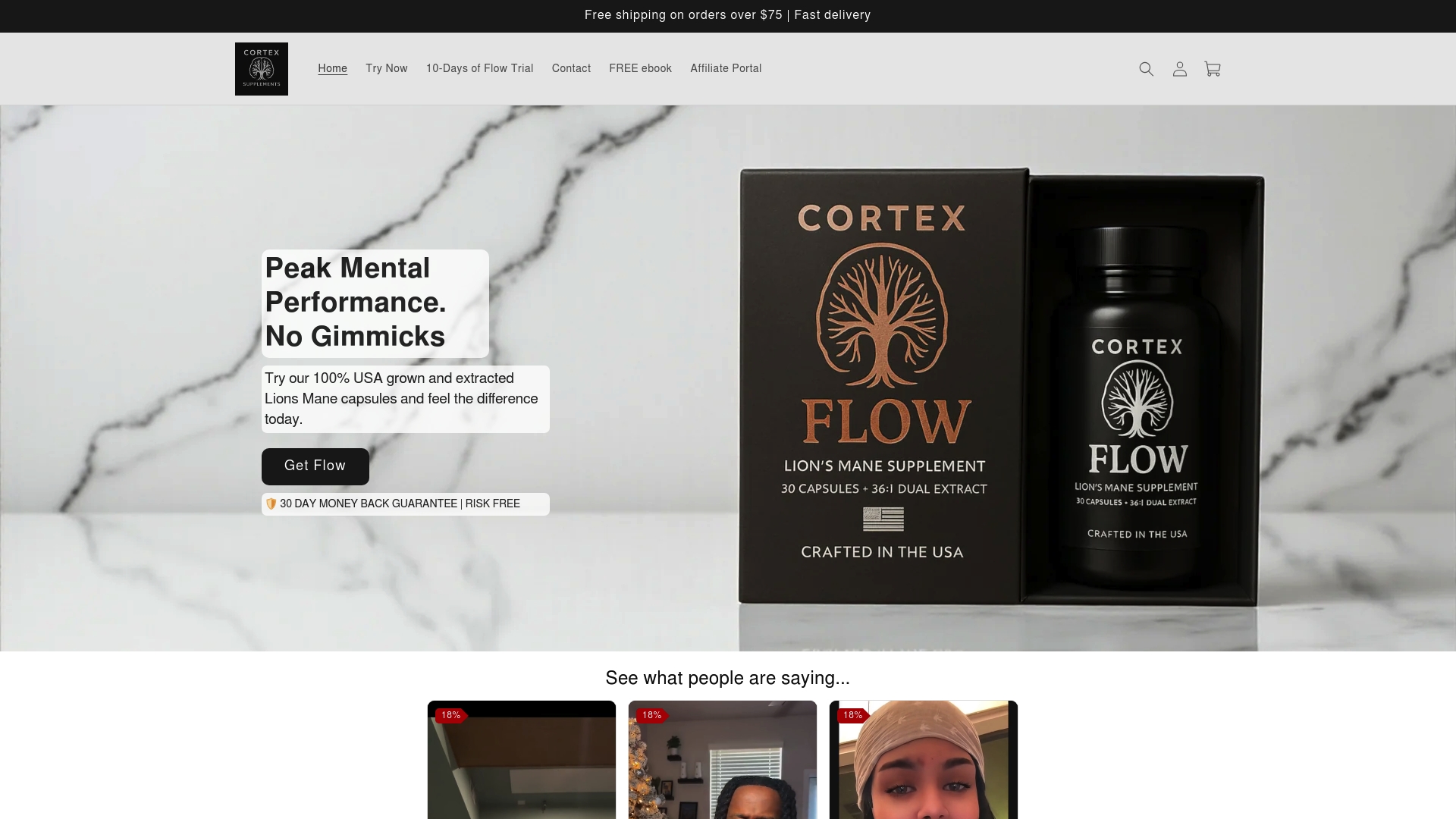
Whether you’re an athlete concerned about cumulative head impacts or someone managing CTE symptoms, our Cortex Flow supplement provides research-backed support for cognitive function and brain health. Not ready to commit to a full bottle? Try our 10-Days of Flow sample pack to experience the cognitive benefits firsthand. We support your journey with our 10 Day Flow check in program, helping you track improvements and optimize your brain health protocol.
Frequently asked questions
What are the best supplements for CTE?
Omega-3 fatty acids, N-Acetylcysteine, and citicoline represent the strongest evidence-based options for managing CTE symptoms. These supplements target inflammation, oxidative stress, and cognitive function through distinct mechanisms. Combining them often provides more comprehensive support than using any single supplement alone. Always consult healthcare providers familiar with traumatic brain injury before starting new supplements, especially if you’re taking medications. Explore cognitive support strategies for comprehensive guidance on building effective brain health protocols.
Can supplements prevent chronic traumatic encephalopathy?
Supplements may reduce inflammation and oxidative stress associated with repeated head impacts, potentially lowering CTE risk in high-risk athletes. Prophylactic omega-3 usage targeting an index above 8% is suggested for athletes with frequent head trauma exposure. However, supplements serve as supportive measures, not standalone prevention strategies. Reducing head impact exposure remains the primary prevention method, with supplements offering additional neuroprotective support.
How soon after a brain injury should I start supplements?
Early intervention within 24 hours is critical for supplements like NAC, which show the strongest benefits when administered immediately post-injury. Delays significantly reduce potential neuroprotective effects as the acute oxidative stress window closes. Omega-3s and citicoline offer benefits even when started later, supporting ongoing recovery. Always consult with healthcare providers in emergency settings to determine appropriate timing and avoid interactions with acute medical treatments.
Are there risks or side effects with brain supplements?
Most brain health supplements have good safety profiles when used at recommended doses under medical supervision. Potential interactions exist with blood thinners, anti-inflammatory medications, and other supplements. NAC may cause mild gastrointestinal effects at higher doses, while omega-3s can increase bleeding risk in susceptible individuals. Medical consultation before starting new supplement regimens is essential, particularly for individuals with existing health conditions or those taking prescription medications.
Recommended
- Cognitive support for TBI athletes: natural strategies 2026 – Cortex Supplements
- Natural supplements for brain health: 2026 guide – Cortex Supplements
- Brain health checklist: top natural supplements 2026 – Cortex Supplements
- Natural brain supplements for focus and memory 2026 – Cortex Supplements
- 7 Ways Clean Plant Based Protein Enhances Your Daily Wellness – Granavitalis
