

You might think brain fog is just another word for tiredness, but it’s far more complex. Brain fog describes a cluster of cognitive symptoms that affect memory, focus, and mental clarity in ways simple fatigue never could. Millions of people experience brain fog daily, particularly those with Long COVID, Parkinson’s disease, and other chronic conditions. This article will define brain fog precisely, explain its underlying causes and symptoms, and guide you toward natural supplements and lifestyle strategies proven to restore mental sharpness in 2026.
Table of Contents
- What Is Brain Fog? Defining The Symptoms And Causes
- The Science Behind Brain Fog: Causes And Contributing Factors
- Natural Supplements For Improving Brain Fog And Cognitive Clarity
- Lifestyle Strategies To Complement Natural Supplements For Brain Fog
- Boost Your Brain Clarity With Cortex Flow Supplements
- Frequently Asked Questions
Key takeaways
| Point | Details |
|---|---|
| Brain fog is a symptom cluster | It encompasses memory lapses, attention deficits, and reduced mental clarity rather than a single diagnosis. |
| Common in chronic conditions | People with Long COVID, Parkinson’s, and multiple sclerosis frequently experience brain fog alongside fatigue. |
| Inflammation drives cognitive issues | Chronic brain inflammation and gut imbalances significantly contribute to brain fog symptoms. |
| Natural supplements show promise | Compounds like Ginkgo biloba, curcumin, and Bacopa monnieri can improve cognitive function when used correctly. |
| Lifestyle changes amplify results | Combining supplements with anti-inflammatory diets, exercise, and stress management delivers the best outcomes. |
What is brain fog? Defining the symptoms and causes
Brain fog isn’t a medical diagnosis you’ll find in a textbook. Instead, it’s a descriptive term for cognitive symptoms affecting attention, memory, and language, often accompanied by mood changes and fatigue. When you struggle to recall simple words, lose track of conversations mid-sentence, or feel like your thoughts are moving through molasses, you’re experiencing brain fog.
The symptoms vary widely but typically include forgetfulness, difficulty concentrating, and a persistent sense of mental sluggishness. You might also notice mood shifts like increased irritability, depression, or heightened stress responses. These cognitive difficulties include impaired attention and reduced mental clarity, making everyday tasks feel unexpectedly challenging.
Brain fog appears across numerous conditions. People recovering from COVID-19 report it as one of the most debilitating long-term symptoms. Those living with Parkinson’s disease, multiple sclerosis, or traumatic brain injury often describe similar cognitive struggles. Even individuals without diagnosed illnesses can experience brain fog due to chronic stress, poor sleep, or nutritional deficiencies.
The biological mechanisms behind brain fog involve disrupted neural processes. Your brain relies on seamless communication between neurons to process information, form memories, and maintain focus. When inflammation, reduced blood flow, or neurotransmitter imbalances interfere with these processes, cognitive function suffers. Think of it like a highway system where construction zones slow traffic to a crawl. Your thoughts can still move, but the journey takes far longer and requires more effort.
Common brain fog symptoms include:
- Difficulty remembering recent conversations or appointments
- Trouble finding the right words during speech
- Reduced ability to multitask or switch between tasks
- Feeling mentally exhausted after minimal cognitive effort
- Increased sensitivity to distractions
Pro Tip: Keep a symptom journal tracking when brain fog strikes hardest. You might discover patterns linked to specific foods, sleep quality, or stress levels that help you identify personalized triggers.
The science behind brain fog: causes and contributing factors
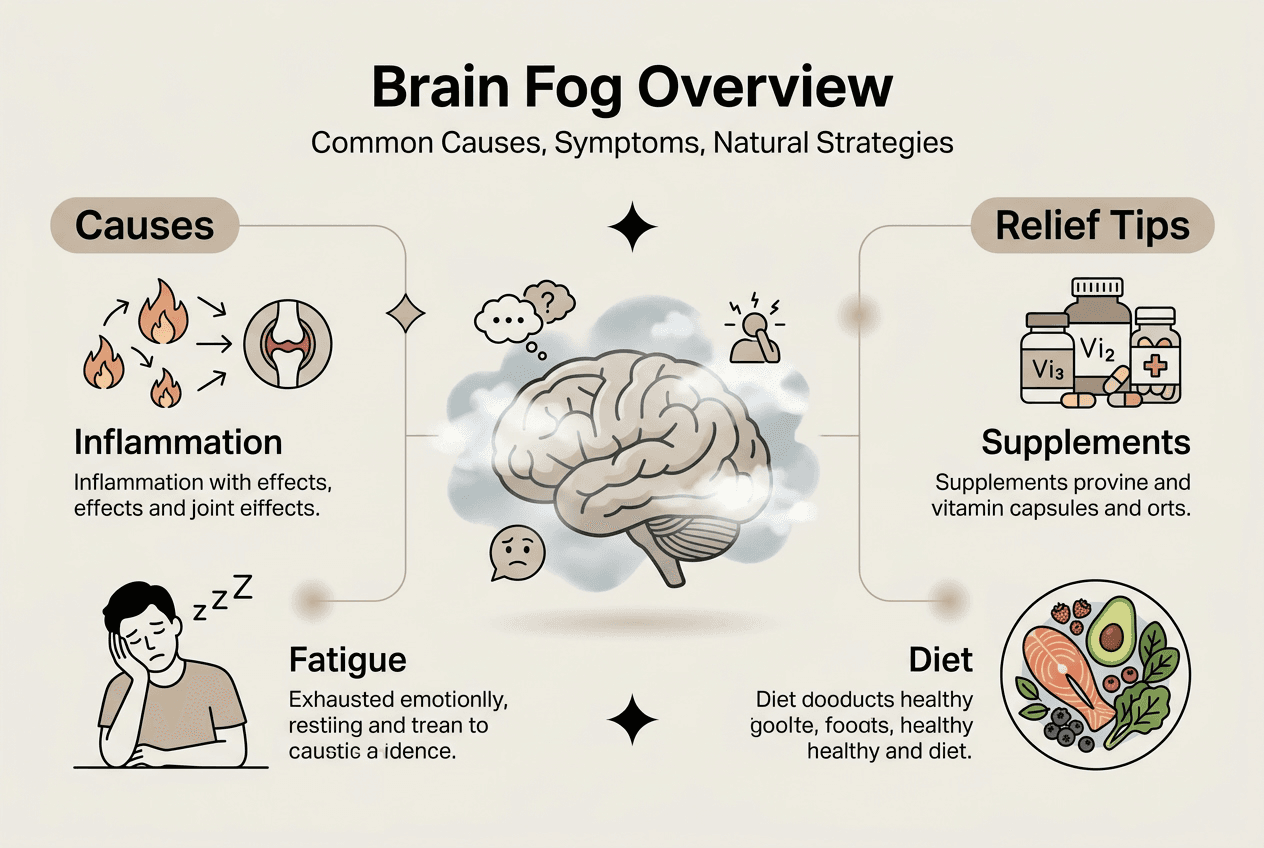
Multiple biological factors converge to create the experience of brain fog. Inflammation in the brain stands out as a primary driver, disrupting the delicate neural networks responsible for clear thinking. When inflammatory molecules accumulate in brain tissue, they interfere with neurotransmitter production and synaptic function, directly impairing your ability to focus and remember.

Fatigue and brain fog form a complicated relationship. Research shows these symptoms commonly appear together across chronic conditions, suggesting they share underlying mechanisms. Physical exhaustion compounds cognitive struggles, while mental cloudiness makes even rest feel unsatisfying. This creates a cycle where each symptom reinforces the other.
Your gut health plays a surprisingly significant role in brain function. The gut-brain axis connects your digestive system to your central nervous system through neural pathways, hormones, and immune signals. When your gut microbiome becomes imbalanced, harmful bacteria can trigger systemic inflammation that reaches your brain. This connection explains why digestive issues and cognitive symptoms often occur simultaneously.
Neurological diseases directly damage brain structures responsible for cognition. In Parkinson’s disease, dopamine depletion affects not just movement but also attention and executive function. Multiple sclerosis lesions can interrupt the pathways needed for quick information processing. Traumatic brain injuries create physical disruptions that may take months or years to heal, leaving cognitive deficits in their wake.
Infections like COVID-19 introduce additional complexity. The virus can trigger prolonged immune responses that persist long after the initial illness resolves. These ongoing inflammatory processes contribute to the brain health challenges many people face during recovery.
Key contributing factors to brain fog:
- Chronic neuroinflammation from autoimmune conditions or infections
- Hormonal imbalances affecting thyroid or cortisol levels
- Nutritional deficiencies in B vitamins, omega-3 fatty acids, or antioxidants
- Poor sleep quality disrupting memory consolidation
- Chronic stress elevating cortisol and depleting cognitive reserves
Understanding these mechanisms helps you target interventions more effectively. Rather than accepting brain fog as inevitable, you can address specific underlying causes through natural brain supplements and lifestyle modifications tailored to your situation.
Natural supplements for improving brain fog and cognitive clarity
Natural compounds offer promising support for reducing brain fog symptoms and enhancing mental performance. Extended supplementation with natural compounds lasting six weeks or longer improves cognitive function in people experiencing mild cognitive impairment or early Alzheimer’s disease. These benefits extend to otherwise healthy individuals struggling with brain fog.
Ginkgo biloba stands among the most researched cognitive enhancers. It improves blood flow to the brain, delivers antioxidant protection, and supports neurotransmitter function. Many users report sharper focus and better memory recall after consistent use. Rhodiola rosea takes a different approach, reducing mental fatigue by helping your body adapt to stress more efficiently. It’s particularly useful when brain fog stems from chronic stress or burnout.
Bacopa monnieri deserves special attention for its unique profile. While it may not improve direct cognitive test scores, it effectively reduces stress reactivity and fatigue. This indirect benefit matters tremendously because stress and exhaustion amplify brain fog symptoms. By calming your stress response, Bacopa creates mental space for clearer thinking.
Curcumin, the active compound in turmeric, shows remarkable cognitive benefits when used correctly. Studies demonstrate that curcumin supplementation improves global cognitive function at doses around 0.8 grams daily for 24 weeks or longer, particularly in older adults. Its anti-inflammatory properties directly counter one of brain fog’s primary drivers.
Several natural supplements including Ginkgo biloba, Bacopa monnieri, and Rhodiola rosea may improve cognitive function and reduce brain fog symptoms through various mechanisms.
| Supplement | Primary Benefits | Evidence Strength | Recommended Duration | | — | — | — | | Ginkgo biloba | Improves blood flow, enhances memory and focus | Strong | 6+ weeks | | Curcumin | Reduces inflammation, supports overall cognition | Strong | 24+ weeks at 0.8g/day | | Bacopa monnieri | Reduces stress and fatigue indirectly supporting clarity | Moderate | 12+ weeks | | Rhodiola rosea | Decreases mental fatigue, improves stress adaptation | Moderate | 4+ weeks | | Lion’s Mane | Supports nerve growth factor, enhances neural health | Emerging | 8+ weeks |
When selecting supplements, quality matters enormously. Look for products with third-party testing, standardized extracts, and transparent sourcing. Natural supplements for brain health should clearly list active compound concentrations and avoid unnecessary fillers.
Combining multiple supplements can provide synergistic benefits. For example, pairing an anti-inflammatory compound like curcumin with a stress-reducing adaptogen like Rhodiola addresses brain fog from multiple angles. Some people find that mushroom supplements offer cognitive support through unique mechanisms involving nerve growth factors.
Practical supplement guidelines:
- Start with one supplement at a time to assess individual effects
- Follow recommended dosages precisely for optimal results
- Allow at least six weeks before evaluating effectiveness
- Choose supplements targeting your specific brain fog triggers
- Consider memory supplements for cognitive fatigue if exhaustion dominates your symptoms
Pro Tip: Combine supplements with lifestyle changes like an anti-inflammatory diet and regular exercise for maximum impact. Track your cognitive improvements weekly to identify which interventions deliver the best results. Always consult a healthcare provider before starting new supplements, especially if you take medications or have underlying health conditions.
Professionals seeking enhanced mental performance often explore supplements for focus and clarity as part of a comprehensive cognitive support strategy.
Lifestyle strategies to complement natural supplements for brain fog
Supplements work best when supported by daily habits that promote brain health. Your lifestyle choices create the foundation upon which supplements build additional benefits. Natural supplements prove most effective when combined with a healthy diet, regular exercise, and stress management practices.
Diet plays a fundamental role in cognitive function. Anti-inflammatory foods like fatty fish, leafy greens, berries, and nuts provide the building blocks your brain needs for optimal performance. Omega-3 fatty acids support cell membrane integrity, while antioxidants protect against oxidative stress that contributes to brain fog. Reducing processed foods, excess sugar, and inflammatory oils helps minimize the dietary triggers that worsen cognitive symptoms.
Physical activity delivers immediate and long-term cognitive benefits. Exercise increases blood flow to your brain, delivering oxygen and nutrients while removing metabolic waste. It also stimulates the production of brain-derived neurotrophic factor, a protein that supports neuron growth and survival. You don’t need intense workouts to see benefits. Even moderate activities like brisk walking, swimming, or yoga can significantly improve mental clarity.
Stress management techniques directly address one of brain fog’s most common triggers. Chronic stress floods your system with cortisol, which impairs memory formation and reduces cognitive flexibility. Mindfulness meditation, deep breathing exercises, and progressive muscle relaxation activate your parasympathetic nervous system, countering stress’s harmful effects. Quality sleep deserves equal priority since your brain consolidates memories and clears metabolic waste during rest.
Daily habits for combating brain fog:
- Eat a breakfast rich in protein and healthy fats to stabilize blood sugar and support sustained mental energy throughout the morning.
- Take a 20-minute walk outdoors to combine physical activity with natural light exposure, which regulates circadian rhythms and improves mood.
- Practice focused breathing for five minutes during your afternoon slump to reset your nervous system and sharpen attention.
- Limit screen time two hours before bed to protect sleep quality and allow your brain adequate recovery time.
- Stay hydrated throughout the day since even mild dehydration impairs cognitive performance and increases perceived mental effort.
- Schedule regular breaks during mentally demanding tasks to prevent cognitive fatigue and maintain consistent productivity.
These strategies work synergistically with cognitive enhancement approaches to create comprehensive support for mental clarity. Small, consistent changes often produce more sustainable results than dramatic overhauls.
Consider using a mental clarity checklist to track which lifestyle factors most significantly impact your cognitive function. This data-driven approach helps you identify personal patterns and optimize your routine.
Pro Tip: Track your cognitive improvements alongside lifestyle changes in a simple spreadsheet or journal. Note your brain fog severity, sleep quality, exercise frequency, and supplement use daily. After four weeks, review the data to identify which routines deliver the most noticeable impact on your mental clarity.
Boost your brain clarity with Cortex Flow supplements
If you’re ready to take control of your cognitive health, Cortex Flow offers a science-backed solution. Our premium Cortex Flow supplement contains a potent 36:1 extract of 100% lion’s mane fruiting bodies, grown and processed in the United States. Each capsule delivers concentrated compounds that support nerve growth factor production and neural health.

We understand that committing to a new supplement requires confidence. That’s why we created the Cortex 10-Days of Flow pack, allowing you to experience the cognitive benefits risk-free. This sample size provides enough servings to notice initial improvements in focus and mental clarity.
For those seeking structured support, our 10 Day Flow Challenge combines daily supplementation with habit-building exercises designed to maximize your cognitive wellness journey. Join thousands of others who have discovered clearer thinking and enhanced mental performance through our Texas-based, quality-focused approach to brain health.
Frequently asked questions
What is brain fog?
Brain fog describes a collection of cognitive symptoms rather than a formal medical diagnosis. It includes forgetfulness, difficulty concentrating, mental sluggishness, and reduced clarity that interfere with daily functioning. These symptoms often appear alongside mood changes like irritability or depression. Brain fog affects people with various conditions including Long COVID, autoimmune diseases, and chronic stress, though it can occur in otherwise healthy individuals as well.
Is brain fog the same as fatigue?
Brain fog and fatigue are related but distinct experiences. Fatigue refers to physical and mental tiredness that makes you feel drained of energy. Brain fog specifically affects cognitive functions like memory, attention, and information processing speed. However, these symptoms frequently co-occur and influence each other. Physical exhaustion can worsen mental cloudiness, while cognitive struggles can make you feel more tired overall.
Can natural supplements cure brain fog?
Natural supplements can significantly improve cognitive function and reduce brain fog symptoms, but they aren’t a cure. Supplements like Ginkgo biloba, curcumin, and Bacopa monnieri support brain health through anti-inflammatory effects, improved blood flow, and stress reduction. They work best as part of a comprehensive approach that includes lifestyle modifications like healthy eating, regular exercise, and stress management. Always consult a healthcare provider before starting supplements, especially if you have underlying health conditions or take medications.
How long before I see results from supplements?
Significant cognitive improvements from natural supplements typically require at least six weeks of consistent use, with some compounds needing up to 24 weeks for full benefits. Curcumin, for example, shows optimal results at 0.8 grams daily for 24 weeks or longer. Ginkgo biloba may produce noticeable effects within six to eight weeks. Consistency and proper dosage are crucial for achieving meaningful results. Track your symptoms weekly to monitor progress and adjust your approach as needed.
What lifestyle changes help reduce brain fog?
Adopting an anti-inflammatory diet rich in omega-3 fatty acids, antioxidants, and whole foods provides essential nutrients for brain health. Regular physical activity increases cerebral blood flow and stimulates neuroprotective factors. Prioritizing seven to nine hours of quality sleep allows your brain to consolidate memories and clear metabolic waste. Stress management techniques like meditation, deep breathing, and mindfulness reduce cortisol levels that impair cognition. Staying well-hydrated and limiting alcohol and processed foods further support mental clarity.
Does brain fog indicate a serious medical condition?
Brain fog can signal underlying health issues that warrant medical evaluation. While occasional mental cloudiness from poor sleep or stress is normal, persistent or worsening symptoms may indicate conditions like thyroid disorders, autoimmune diseases, nutritional deficiencies, or neurological problems. If brain fog significantly impacts your daily life, occurs suddenly, or accompanies other concerning symptoms like severe headaches or personality changes, consult a healthcare provider promptly. Early diagnosis and treatment of underlying conditions can prevent complications and improve outcomes.
