

Many seniors explore natural supplements to protect memory and mental sharpness as they age. Mushroom supplements, particularly Lion’s Mane, have gained attention for potential brain benefits. While some research shows promise for nerve growth and cognitive function, the evidence remains mixed and limited in humans. This guide examines what current science reveals about mushroom supplements for cognitive health, compares popular varieties, and provides practical advice for safe use. You’ll learn which claims have support, what limitations exist, and how to choose quality products if you decide to try them.
Table of Contents
- How Mushroom Supplements Support Senior Cognitive Health
- Evaluating Clinical Evidence: Benefits And Limitations
- Comparing Common Medicinal Mushrooms For Brain Health In Seniors
- Safe And Effective Use Of Mushroom Supplements For Seniors
- Explore Natural Cognitive Support With Cortex Supplements
- FAQ
Key takeaways
| Point | Details |
|---|---|
| Lion’s Mane shows neuroprotective potential | Clinical studies reveal modest cognitive benefits in some trials, though results vary significantly |
| Human evidence remains limited | Most positive findings come from animal studies, with few replicated human trials |
| Side effects are generally mild | Common reactions include digestive discomfort and rare allergic responses |
| Quality verification matters | Third-party tested supplements with clear dosing provide better safety assurance |
How mushroom supplements support senior cognitive health
Lion’s Mane mushroom contains unique compounds called erinacines and hericenones that stimulate nerve growth factor production in the brain. These bioactive molecules support the growth and maintenance of neurons, which naturally decline with age. Research shows Hericium erinaceus demonstrates neuroprotective and anti-inflammatory effects that may benefit cognitive function in older adults.
The hippocampus, your brain’s memory center, appears particularly responsive to Lion’s Mane compounds. Studies suggest these mushroom extracts may enhance hippocampal function by promoting neuroplasticity, the brain’s ability to form new neural connections. This mechanism matters for seniors because memory formation and retrieval depend heavily on hippocampal health.
Beyond direct nerve support, Lion’s Mane offers anti-inflammatory properties that protect brain cells from oxidative stress and chronic inflammation. These protective effects extend throughout the nervous system, potentially slowing age-related cognitive decline. The mushroom also influences neurotransmitter systems involved in mood regulation, which explains why some users report reduced anxiety and depression alongside cognitive benefits.
Interestingly, Lion’s Mane affects gut health through prebiotic effects and microbiome modulation. The gut-brain axis connects digestive health to cognitive function, so improvements in gut bacteria composition may indirectly support brain health. This dual action on both nervous and digestive systems makes Lion’s Mane unique among natural cognitive supplements.
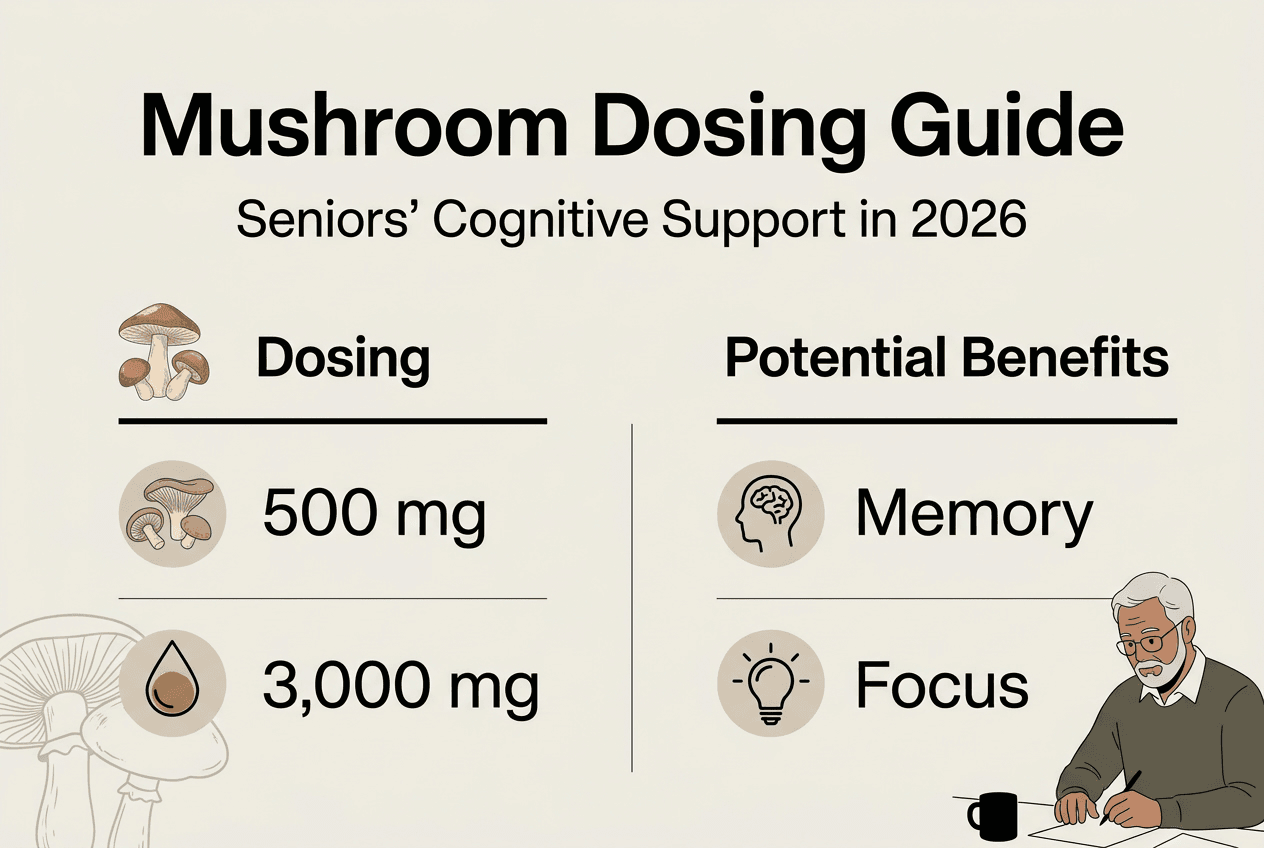
Typical supplementation doses range from 500 to 3,000 mg daily, with significant variation based on extract concentration and mushroom part used. Fruiting body extracts generally contain higher concentrations of active compounds compared to mycelium-based products. The benefits of Lion’s Mane for brain health depend partly on choosing products with verified potency.
Pro Tip: Look for supplements that specify the extraction ratio and mushroom part used. A 10:1 fruiting body extract contains more concentrated bioactive compounds than whole mushroom powder.
Key mechanisms of action include:
- Stimulation of nerve growth factor synthesis
- Reduction of neuroinflammation and oxidative damage
- Enhancement of neurotransmitter function
- Support for gut microbiome diversity
- Promotion of myelin sheath repair
Evaluating clinical evidence: benefits and limitations
One double-blind randomized controlled trial demonstrated temporary cognitive improvement in participants with mild cognitive impairment who took Lion’s Mane for 16 weeks. However, benefits disappeared after supplementation stopped, and no subsequent studies have replicated these findings. This lack of replication raises questions about the reliability and practical significance of the initial positive results.
Other clinical investigations have produced inconsistent results with modest or no cognitive benefits in older adults. Some trials found no significant improvements in memory tests, attention measures, or metabolic markers related to brain health. The variability across studies may stem from differences in supplement quality, dosing protocols, participant characteristics, or outcome measures used.
A single-dose study revealed modest improvements in reaction time and sustained attention tasks within hours of consumption. These acute effects suggest Lion’s Mane may influence cognitive performance temporarily, though long-term benefits remain uncertain. The practical value of short-term performance boosts versus sustained cognitive protection remains an open question for seniors seeking lasting brain health support.
Current clinical evidence does not support broad recommendations for Lion’s Mane to improve cognition in older adults. Most positive data comes from cell culture and animal studies, which often fail to translate to human benefits. Preclinical research provides valuable mechanistic insights but cannot substitute for rigorous human trials when making supplement decisions.
More large, well-designed clinical trials are needed to confirm whether mushroom supplements deliver meaningful cognitive benefits for seniors. Current evidence suggests potential but falls short of proof. Researchers must conduct longer-duration studies with larger sample sizes and standardized outcome measures before definitive recommendations become possible.
Pro Tip: Approach supplement claims with healthy skepticism. If a product promises dramatic cognitive improvements based solely on animal studies, the human evidence likely doesn’t support those claims yet.
Steps for interpreting supplement research:
- Check whether studies involved humans or only animals
- Look for replication by independent research groups
- Assess study size and duration for clinical relevance
- Consider whether benefits persisted after stopping supplementation
- Evaluate conflict of interest disclosures
“The gap between promising laboratory findings and consistent human clinical benefits remains substantial for most mushroom supplements. Seniors should view these products as experimental rather than proven cognitive interventions.”
Understanding the connection between Lion’s Mane and Alzheimer’s support requires careful examination of both preclinical promise and clinical limitations.
Comparing common medicinal mushrooms for brain health in seniors
Lion’s Mane stands out as the most extensively studied mushroom for neurogenesis and cognitive function support. Its unique ability to stimulate nerve growth factor production distinguishes it from other medicinal mushrooms. Most human trials investigating mushroom cognitive effects have focused specifically on Lion’s Mane, making it the best-characterized option for brain health.

Ganoderma lucidum, commonly called Reishi, shows promise in experimental models of Alzheimer’s disease. Research demonstrates Ganoderma-derived nanovesicles reduced cognitive decline and Alzheimer’s markers in mice through anti-inflammatory and neuroprotective mechanisms. However, human clinical data for Reishi’s cognitive effects remains extremely limited compared to Lion’s Mane.
Shiitake mushroom, while primarily known for immune and cardiovascular benefits, may support cognition through gut-brain axis modulation. Studies show Shiitake vesicle-like nanoparticles improved cognition and altered gut microbiota in aged mice. The cognitive benefits appeared linked to changes in beneficial bacteria populations and reduced intestinal inflammation.
Each mushroom contains distinct bioactive compounds that work through different mechanisms. Lion’s Mane provides erinacines and hericenones for direct nerve support. Reishi offers triterpenes and polysaccharides with strong anti-inflammatory properties. Shiitake contains lentinan and other beta-glucans that primarily affect immune function and gut health.
| Mushroom | Primary Mechanism | Human Evidence | Best For |
|---|---|---|---|
| Lion’s Mane | Nerve growth factor stimulation | Limited positive trials | Direct cognitive support |
| Reishi | Anti-inflammatory, antioxidant | Minimal human data | Neuroprotection, stress |
| Shiitake | Gut-brain axis modulation | No cognitive trials | Immune, gut health |
| Cordyceps | Energy metabolism support | No cognitive trials | Physical stamina |
Supplement choice should consider the strength of evidence, desired effects, and individual health priorities. Lion’s Mane offers the most direct cognitive research, though even this evidence remains preliminary. Reishi may suit seniors seeking broader anti-inflammatory benefits beyond cognition alone. Shiitake represents an indirect approach through digestive health optimization.
Comparing Lion’s Mane to other cognitive supplements helps clarify where mushrooms fit in the broader landscape of natural brain health products.
Key considerations for mushroom selection:
- Strength of human clinical evidence for your specific goals
- Bioactive compound profile and concentration
- Potential interactions with existing medications
- Personal tolerance and side effect history
- Cost relative to evidence quality
Safe and effective use of mushroom supplements for seniors
Start with lower doses around 500 mg daily and increase gradually over several weeks as your body adjusts. This conservative approach minimizes potential side effects while allowing you to assess personal tolerance. Many seniors find optimal benefits at 1,000 to 1,500 mg daily, though individual responses vary considerably.
Watch for stomach upset, mild headaches, skin rashes, or digestive changes when beginning supplementation. Side effects include mild gastrointestinal discomfort and allergic reactions in some users, though most people tolerate Lion’s Mane well. Discontinue use if you experience persistent discomfort or allergic symptoms.
Avoid mushroom supplements if you have severe mushroom allergies or take immunosuppressant medications without consulting your doctor first. Lion’s Mane may theoretically interact with blood thinners due to mild anticoagulant properties, though clinical reports of interactions remain rare. Seniors taking multiple medications should discuss supplement additions with their healthcare provider to identify potential conflicts.
Seek products with third-party testing certifications from USP, NSF, or ConsumerLab to ensure purity and accurate labeling. Choose supplements with verification and clear active ingredient content to avoid contaminated or mislabeled products. Independent testing confirms that bottles contain what labels claim without harmful additives.
Consider the supplement form carefully, as fruiting body extracts typically contain higher concentrations of beneficial compounds than mycelium products. Standardized extracts specify the percentage of active polysaccharides or beta-glucans, providing consistency between batches. Whole mushroom powders offer full-spectrum compounds but with less concentrated bioactives per dose.
Pro Tip: Take mushroom supplements with food to improve absorption and reduce the risk of stomach upset. Splitting your daily dose between morning and evening may enhance tolerance.
Guidelines for safe supplementation:
- Begin with 500 mg daily for the first week
- Increase by 250 to 500 mg weekly if well tolerated
- Monitor for digestive changes or allergic signs
- Maintain consistent timing with meals
- Store supplements in cool, dry locations away from sunlight
- Review health and wellness resources for complementary approaches
Detailed guidance on choosing quality Lion’s Mane supplements helps you navigate the crowded marketplace and identify truly effective products.
Explore natural cognitive support with Cortex supplements
Cortex Supplements offers scientifically formulated mushroom products designed specifically for cognitive health support in seniors. Our flagship product, Cortex Flow, contains premium Lion’s Mane fruiting body extract at a potent 36:1 concentration ratio. We grow all mushrooms ourselves in the United States, ensuring quality control from cultivation through final encapsulation.
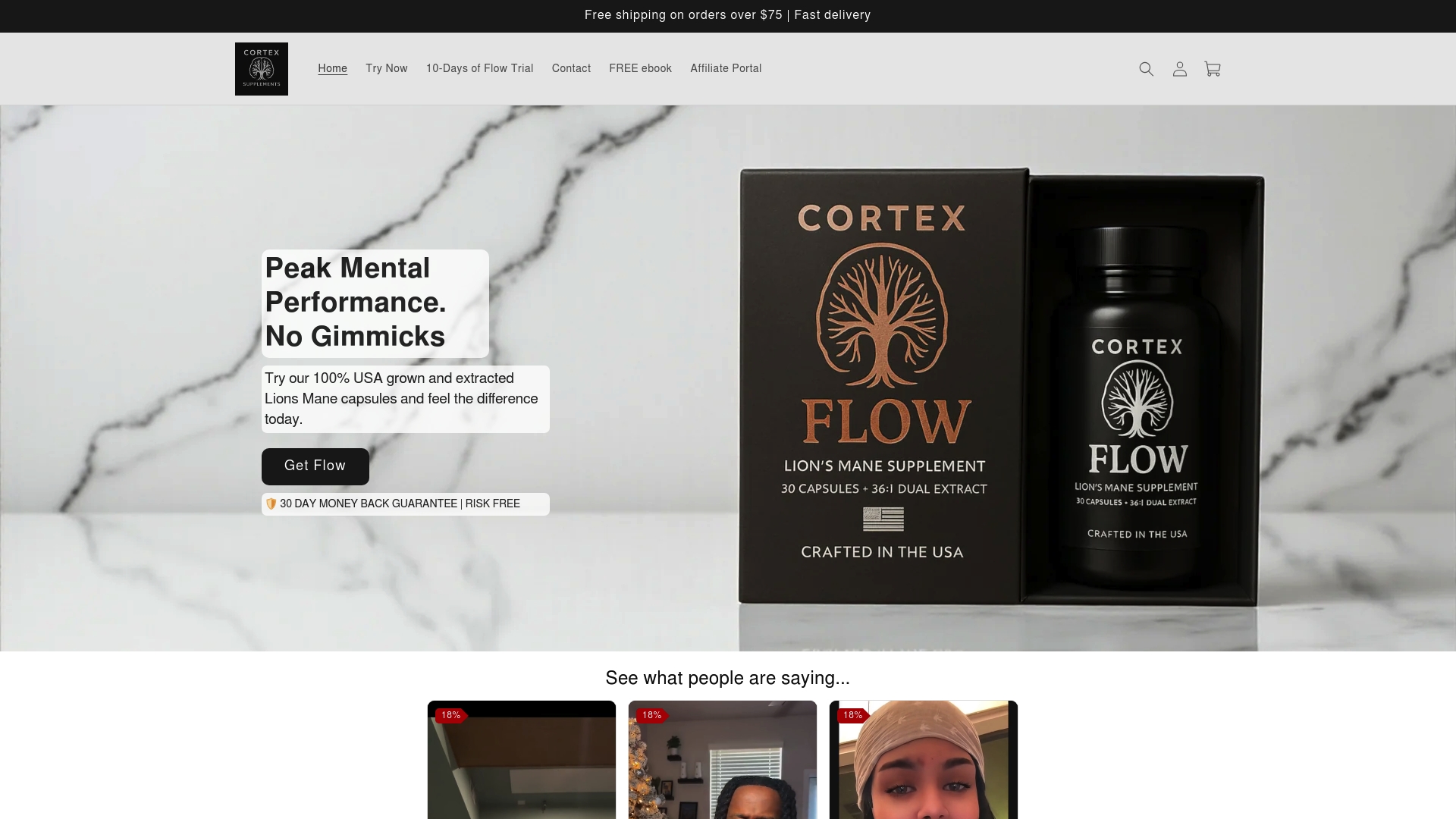
Each bottle of Cortex Flow provides 30 capsules of freeze-dried extract, delivering consistent bioactive compounds in every dose. Third-party testing verifies purity and potency, giving you confidence in what you’re taking. If you want to try our products before committing to a full bottle, explore our 10 Days of Flow sample pack for an introductory experience. Join our 10 Day Flow Check In program to track your experience with structured guidance and support throughout your trial period.
FAQ
Are mushroom supplements safe for seniors?
Mushroom supplements are generally safe for most seniors when used appropriately. Side effects include mild stomach discomfort and allergic reactions in some users, though serious adverse events are rare. Consult your doctor before starting if you have mushroom allergies, take immunosuppressants, or use blood thinning medications.
How long does it take to see cognitive benefits?
Some users report subtle improvements in focus or memory within 4 to 16 weeks of consistent use. Small trials observed modest effects within this timeframe, though results vary significantly between individuals. Effects are modest and not guaranteed, so maintain realistic expectations about potential benefits.
Can mushroom supplements help manage Alzheimer’s symptoms?
Some mushrooms show potential for reducing Alzheimer’s markers in laboratory and animal models. Animal studies demonstrate promise but human trials remain limited and inconclusive for Alzheimer’s symptom management. Current evidence does not support using mushroom supplements as a primary intervention for Alzheimer’s disease.
What should I look for when choosing mushroom supplements?
Look for products with USP, NSF, or ConsumerLab verification to ensure quality and purity. Choose supplements with third-party testing and clear labeling of mushroom parts and active ingredient percentages. Prefer fruiting body extracts over mycelium products for higher concentrations of beneficial compounds.
Recommended
- Why mushrooms for brain health? Unlock Lion’s Mane benefits – Cortex Supplements
- Brain health checklist: top natural supplements 2026 – Cortex Supplements
- Natural supplements for brain health: 2026 guide – Cortex Supplements
- Top 5 Cognitivefunction.com Alternatives in 2026 for Enhanced Mental C – Cortex Supplements
- Silver Link Companion — AI Voice Companion for Seniors
- Health and Wellness Archives - The Aesthetics Lounge and Spa Raleigh | Medical Spa in Raleigh, NC
