

Choosing the right brain health strategies feels overwhelming when faced with endless supplements, conflicting advice, and promises of cognitive breakthroughs. Adults concerned about focus, memory, or aging brain health need a clear framework to evaluate options and build personalized routines. This checklist approach cuts through the noise by establishing criteria for effective strategies, comparing proven interventions, and guiding you toward sustainable habits tailored to your unique cognitive goals. Whether you manage ADHD, support aging memory, or optimize daily performance, this systematic guide helps you make informed decisions that genuinely enhance brain vitality.
Table of Contents
- Key takeaways
- Evaluating brain health: key criteria for your checklist
- Top natural supplements to include in your brain health checklist
- Comparing brain health strategies: lifestyle, supplements, and stimulation
- Making your brain health checklist actionable: personalized decisions
- Enhance your brain health journey with Cortex supplements
- Brain health checklist 2026 frequently asked questions
Key Takeaways
| Point | Details |
|---|---|
| Modifiable risk factors | Lifestyle factors account for about 40 percent of dementia risk, so consistent healthy habits across diet sleep exercise stress management and social engagement can meaningfully reduce risk. |
| Personalize supplements | Supplements should be guided by measured nutrient gaps and cognitive goals, and begin with baseline testing of vitamin D, B12, and omega 3 to identify true deficiencies. |
| Consistency matters | Consistency is more important than perfection, with regular core habits and biomarker or cognitive performance tracking guiding adjustments over time. |
| Brain stimulation efficacy | Some popular brain stimulation methods have little evidence for ADHD and should be used with caution rather than relied on for improvement. |
| Multidomain synergy | A combined lifestyle and supplement approach offers the best results compared with single focus strategies. |
Evaluating brain health: key criteria for your checklist
Building an effective cognitive health checklist starts with understanding which factors genuinely move the needle on brain function. Research demonstrates that 40% of dementia risk stems from modifiable lifestyle factors, making your daily choices surprisingly powerful. This finding shifts the conversation from passive aging to active optimization.
Your evaluation framework should address multiple domains simultaneously. Diet quality affects inflammation and nutrient availability. Physical activity enhances blood flow and neuroplasticity. Sleep consolidates memories and clears metabolic waste. Stress management protects against cortisol damage. Social engagement stimulates cognitive reserve. No single intervention dominates, but their combined effect creates meaningful protection.

Supplements enter the picture when addressing specific nutrient gaps or targeting particular cognitive functions. A person with documented B12 deficiency benefits from supplementation, while someone with adequate levels gains nothing. Similarly, compounds like lion’s mane or bacopa offer focused support for memory formation and attention, complementing but not replacing foundational lifestyle habits.
Consistency matters more than perfection in brain health strategies. Missing occasional workouts or eating processed food sometimes won’t derail progress. What counts is maintaining core habits most days while monitoring biomarkers and cognitive performance to adjust your approach. Simple tracking reveals which interventions actually improve your focus, recall, or mental clarity.
Pro Tip: Start by testing vitamin D, B12, and omega-3 levels before adding supplements. This baseline prevents wasteful spending on nutrients you already have in adequate amounts and identifies true deficiencies worth addressing.
Key criteria for your checklist include:
- Evidence strength: Prioritize interventions with robust research support over trendy but unproven methods
- Personal relevance: Match strategies to your specific cognitive concerns, whether ADHD focus or age-related memory changes
- Sustainability: Choose habits you can maintain long term rather than extreme approaches that burn out quickly
- Measurability: Select interventions with trackable outcomes through biomarkers, cognitive tests, or subjective improvements
- Safety profile: Verify that supplements and practices carry minimal risk, especially when combining multiple interventions
Top natural supplements to include in your brain health checklist
Natural supplements provide targeted cognitive support when selected thoughtfully based on individual needs and biomarker testing. Bacopa and Ginkgo improve focus in ADHD by modulating neurotransmitter activity and enhancing cerebral blood flow. These botanicals work differently than stimulant medications, offering gentler effects that build over weeks rather than hours.
For seniors concerned about memory retention, MIND diet principles translate into supplement form through compounds supporting brain structure and function. Omega-3 fatty acids maintain neuronal membrane integrity. Vitamin E protects against oxidative stress. Flavonoids from berries and leafy greens reduce inflammation. These nutrients work synergistically when combined with whole food sources.
Lion’s mane mushroom stands out for its unique mechanism promoting nerve growth factor synthesis. This compound supports neuroplasticity, the brain’s ability to form new connections and adapt to challenges. Adults seeking cognitive enhancement or neuroprotection find lion’s mane particularly valuable, especially high-potency extracts that concentrate active compounds.
Testing nutrient levels before supplementing transforms guesswork into precision. Blood tests reveal vitamin D status, B vitamin adequacy, and omega-3 index. This data guides supplement selection and dosing, preventing both deficiency and excess. Some nutrients like vitamin A become toxic at high doses, making testing essential for safety.
Pro Tip: Choose supplements with third-party testing certificates verifying purity and potency. This quality assurance matters more than marketing claims about exotic ingredients or proprietary blends.
| Supplement | Primary benefit | Best for | Typical dose |
|---|---|---|---|
| Lion’s mane extract | Nerve growth factor support | Memory formation, neuroprotection | 500-1000mg daily |
| Bacopa monnieri | Attention and processing speed | ADHD, learning enhancement | 300-450mg standardized extract |
| Omega-3 (EPA/DHA) | Membrane health, inflammation | Aging brain, mood support | 1000-2000mg combined EPA/DHA |
| Ginkgo biloba | Cerebral blood flow | Focus, senior cognition | 120-240mg standardized extract |
| Vitamin D3 | Neuroprotection, mood | Deficiency correction | 2000-4000 IU (test-dependent) |
Supplements for focus enhancement work best when timed strategically. Some compounds like caffeine with L-theanine provide acute effects within 30 minutes. Others like bacopa require 8-12 weeks of consistent use to reach full efficacy. Understanding these timelines prevents premature abandonment of effective interventions.
Seniors exploring mushroom supplements should prioritize fruiting body extracts over mycelium products. Fruiting bodies contain higher concentrations of active polysaccharides and terpenoids. Extraction ratios matter too, with 10:1 or higher concentrations delivering more compounds per capsule than raw powder.
Comparing brain health strategies: lifestyle, supplements, and stimulation
Lifestyle modifications provide the broadest cognitive benefits with the lowest risk profile. Regular aerobic exercise increases hippocampal volume and enhances executive function. Mediterranean-style eating patterns reduce inflammation and supply neuroprotective nutrients. Quality sleep allows glymphatic system clearance of metabolic waste. These interventions address multiple mechanisms simultaneously, creating compound benefits that isolated supplements cannot match.
Supplements fill specific gaps that lifestyle alone may not address. A person eating fish twice weekly still might have suboptimal omega-3 status. Someone with genetic variations affecting B vitamin metabolism benefits from methylated forms. Natural brain supplements work best as precision tools complementing solid foundational habits rather than replacing them.
Brain stimulation devices entered the consumer market with promising marketing but limited proven effectiveness for ADHD. While these devices show acceptable safety profiles, clinical trials demonstrate minimal impact on attention, focus, or impulsivity. The gap between marketing claims and research evidence makes these interventions low priority for most adults seeking cognitive enhancement.
“Brain stimulation cleared for ADHD shows overall safety but remains ineffective for core cognitive symptoms, making lifestyle and targeted supplementation more reliable first-line strategies.”
| Strategy type | Cognitive scope | Target audience | Time to results | Main challenges |
|---|---|---|---|---|
| Lifestyle changes | Broad neuroprotection | All adults | 4-12 weeks | Requires multiple habit changes |
| Targeted supplements | Specific functions | Nutrient gaps, focused needs | 2-12 weeks | Requires testing, quality verification |
| Brain stimulation | Limited | Research settings primarily | Variable | Lacks strong efficacy evidence |
| Combined approach | Comprehensive | Serious cognitive optimization | 8-16 weeks | Complexity, cost, monitoring needs |
The most effective brain health strategies combine elements from multiple categories. Morning exercise boosts acute cognitive function while building long-term resilience. A nutrient-dense breakfast with omega-3 rich foods supports neurotransmitter production. Strategic supplementation addresses individual deficiencies revealed through testing. This layered approach creates redundancy, ensuring cognitive support even when one element falters.
Comparison reveals that perfection in any single category matters less than consistency across multiple domains. Someone exercising four days weekly, eating mostly whole foods, sleeping seven hours nightly, and taking targeted supplements will outperform someone with perfect nutrition but sedentary habits and poor sleep. Brain health emerges from the interaction of multiple factors, not dominance of one.
Making your brain health checklist actionable: personalized decisions
Transforming knowledge into action requires a systematic approach tailored to your unique situation. Start by assessing current cognitive function and health status. Simple online tests measure working memory, processing speed, and attention. Blood work reveals nutrient status, inflammation markers, and metabolic health. This baseline establishes where you stand and which areas need priority attention.
Next, select supplements based on test results and specific cognitive goals. Someone with low vitamin D and memory concerns prioritizes D3 supplementation alongside memory-supporting compounds like lion’s mane. A person with adequate nutrient levels but ADHD-related focus challenges might choose bacopa or a caffeine-theanine combination. Matching interventions to documented needs prevents shotgun supplementation that wastes money and complicates assessment.
Integrate lifestyle habits that reinforce supplement benefits. Omega-3 supplements work better when combined with anti-inflammatory eating patterns. Lion’s mane effects amplify with adequate sleep allowing neuroplasticity processes to unfold. Exercise enhances supplement absorption and creates its own cognitive benefits. These synergies explain why combined approaches consistently outperform isolated interventions.
Track progress with simple metrics that reveal actual improvements. Weekly cognitive tests show changes in processing speed or working memory. Daily journaling captures subjective focus and mental clarity. Quarterly blood work monitors biomarker trends. This data tells you which interventions deserve continuation and which need adjustment or elimination.
Pro Tip: Schedule a quarterly review of your brain health checklist. Reassess which habits stuck, which supplements made measurable differences, and what needs changing. This prevents autopilot supplementation that continues long after usefulness ends.
Actionable steps for your personalized checklist:
- Complete baseline cognitive testing and nutrient blood work to identify specific needs
- Select two to three supplements addressing documented deficiencies or cognitive goals
- Implement one new lifestyle habit monthly rather than attempting wholesale changes simultaneously
- Track subjective and objective measures weekly to identify what actually improves your function
- Review and adjust your approach quarterly based on results and changing needs
- Focus on consistency over perfection in maintaining core habits
- Connect with healthcare providers when adding supplements to existing medication regimens
Realistic expectations prevent discouragement. Cognitive improvements accumulate gradually over weeks and months, not overnight. Some interventions like exercise show acute benefits within hours but require consistent practice for lasting changes. Supplements typically need 4-8 weeks at therapeutic doses before full effects emerge. Patience combined with systematic tracking reveals genuine progress that might otherwise go unnoticed.
Personalization extends beyond supplement selection to timing and combinations. Morning supplementation suits compounds supporting focus and energy. Evening doses work better for nutrients supporting sleep and recovery. Some supplements like omega-3s absorb better with fat-containing meals. These details matter less than consistency but optimize results once core habits establish.
Enhance your brain health journey with Cortex supplements
Cortex Flow delivers concentrated lion’s mane support through a 36:1 freeze-dried extract of 100% fruiting bodies. This potency means each capsule provides compounds equivalent to 36 times the raw mushroom weight, offering serious cognitive support without handfuls of pills. We grow every mushroom ourselves in the United States, controlling quality from cultivation through extraction.
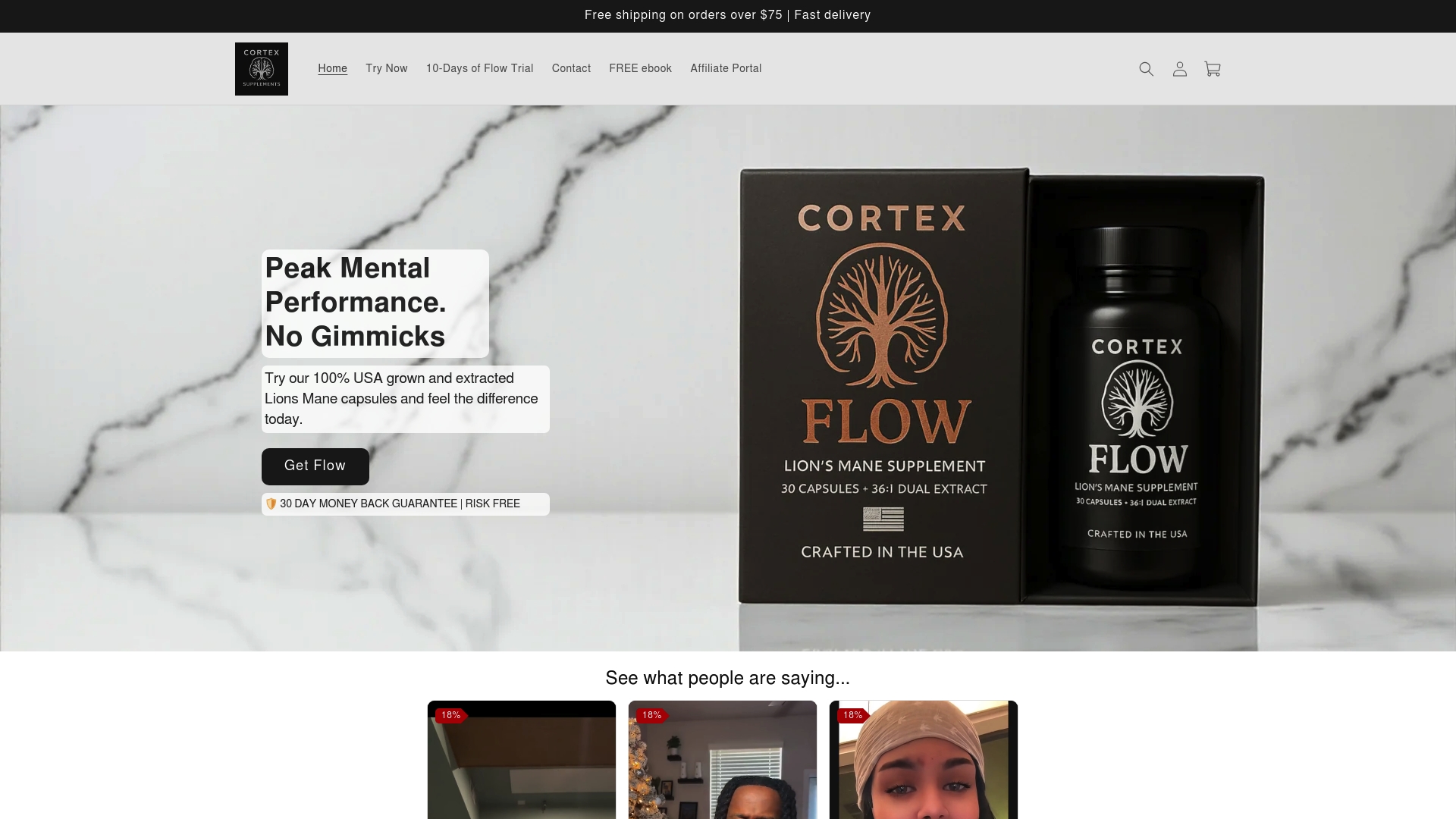
Our 10-days of flow pack lets you experience the difference high-quality lion’s mane makes without committing to a full bottle. Many customers notice improved mental clarity and focus within the first week, though full benefits build over consistent use. This sample size provides enough time to assess whether Cortex Flow fits your cognitive goals.
For deeper insights into lion’s mane science and supplement selection criteria, download our free ebook. This guide explains what makes effective mushroom supplements, how to evaluate quality, and realistic expectations for cognitive benefits. Knowledge empowers better decisions when building your personalized brain health checklist.
Brain health checklist 2026 frequently asked questions
How do I know which supplements suit my cognitive needs?
Start with blood tests measuring vitamin D, B12, folate, and omega-3 index to identify deficiencies worth addressing. Then match supplements to specific cognitive goals like ADHD focus support with bacopa or senior memory enhancement with lion’s mane. Top natural supplements target different mechanisms, so clear goals guide effective selection.
Can lifestyle changes alone effectively reduce dementia risk?
Yes, research shows 40% of dementia risk stems from modifiable lifestyle factors including diet, exercise, sleep, social engagement, and stress management. Addressing multiple domains simultaneously provides substantial neuroprotection without supplements. However, targeted supplementation can enhance results when addressing specific nutrient gaps or cognitive functions that lifestyle alone doesn’t fully optimize.
Is brain stimulation a recommended treatment for ADHD related focus issues?
Brain stimulation devices show acceptable safety but limited effectiveness for ADHD cognitive symptoms according to recent clinical evidence. The gap between marketing promises and actual results makes these devices low priority compared to proven interventions. Focus instead on lifestyle modifications, targeted supplements like bacopa, and working with healthcare providers on comprehensive treatment plans.
How often should I reassess my brain health checklist strategies?
Quarterly reviews work well for most adults, allowing enough time to see meaningful changes from interventions while preventing ineffective strategies from continuing indefinitely. Reassess blood biomarkers every six months, cognitive function quarterly, and subjective measures like focus and memory weekly. This layered monitoring reveals what genuinely improves your brain health versus what wastes time and money.
What simple steps begin a personalized brain health checklist?
Start by completing baseline cognitive testing online and scheduling blood work for key nutrients like vitamin D, B12, and omega-3s. Pick one lifestyle habit to improve, such as adding 20 minutes of daily walking or improving sleep consistency. Add one supplement addressing a documented deficiency or specific cognitive goal. Track changes weekly and adjust based on results rather than adding everything simultaneously.
Recommended
- Brain health checklist: top natural supplements 2026 – Cortex Supplements
- Cognitive Health Checklist 2026: 90% Effective Screening Tools – Cortex Supplements
- 6-Step Lion’s Mane Checklist for Busy Professionals – Cortex Supplements
- 7-Step Lion’s Mane Checklist for Professionals – Cortex Supplements
- Benefits of self-care: practical tips for adults 40-65 – Lunix
