

Navigating cognitive health options feels overwhelming when conflicting advice floods every channel. You need a clear, evidence-based framework to separate effective strategies from empty promises. This checklist delivers validated tools, lifestyle habits, and supplements proven to enhance focus, memory, and overall brain health so you can take action today.
Table of Contents
- Selection Criteria For A Cognitive Health Checklist
- Validated Cognitive Assessment Tools
- Lifestyle Strategies For Cognitive Health
- Cognitive Supplements: Lion’s Mane Extract
- Comparison Of Cognitive Enhancement Options
- Situational Recommendations For Cognitive Goals
- Enhance Cognitive Health With Cortex Supplements
- Frequently Asked Questions
Key Takeaways
| Point | Details |
|---|---|
| Validated screening tools | MoCA detects mild cognitive impairment with 90% sensitivity and Mini-Cog completes in 3 minutes. |
| Lifestyle impact | Physical exercise reduces dementia risk by 30-40% when combined with social and cognitive activities. |
| Supplement potency | Lion’s Mane extract at 36:1 standardization shows memory and focus improvements in clinical trials. |
| Combined approach | Layering screening, lifestyle changes, and supplements yields optimal cognitive enhancement results. |
| Personalization matters | Tailor checklist components to your specific memory, focus, or general brain health goals. |
Selection Criteria for a Cognitive Health Checklist
Choosing cognitive health tools requires a strategic framework. You need criteria that separate scientifically validated options from marketing hype.
Scientific validation forms the foundation. Tools backed by peer-reviewed research and clinical trials demonstrate measurable effectiveness. Sensitivity and ease of use matter equally for screening instruments. A test that catches early cognitive changes but takes hours to complete fails practical application.
Lifestyle interventions need robust clinical evidence. Studies with large sample sizes and long follow-up periods provide confidence in real-world benefits. Supplement standardization ensures consistent potency across batches. A 36:1 extraction ratio in Lion’s Mane, for example, guarantees you receive therapeutic compounds at effective concentrations.
Cost, accessibility, and time commitment affect adherence. The best cognitive health plan means nothing if you can’t maintain it. Evaluate upfront costs, ongoing expenses, and daily time requirements before committing.
Pro Tip: Start with one validated screening tool and one lifestyle change before adding supplements. This approach helps you identify which interventions deliver the most noticeable benefits for your specific needs.
Prioritize options with multiple validation sources. When Harvard researchers, Alzheimer’s Association guidelines, and clinical trials all support the same intervention, you’ve found a reliable choice.
Validated Cognitive Assessment Tools
Brief cognitive screening catches problems early when interventions work best. Two tools stand above the rest: MoCA and Mini-Cog.
The Montreal Cognitive Assessment (MoCA) evaluates memory, attention, language, and executive function. It detects mild cognitive impairment with 90% sensitivity, making it the gold standard for early detection. Administration takes 10 to 15 minutes, and healthcare providers can score it immediately.

Mini-Cog offers even faster screening. This three-minute test combines word recall with clock drawing to identify cognitive concerns. While less comprehensive than MoCA, Mini-Cog’s speed makes it practical for busy primary care settings.
Despite these tools’ effectiveness, only about 16% of Americans aged 65+ receive cognitive assessments during routine care. This gap means millions miss opportunities for early intervention.
Screening enables personalized planning. Results guide decisions about lifestyle modifications, specialist referrals, and supplement choices. Someone showing mild memory concerns might prioritize cognitive supplements alongside exercise, while normal results suggest maintenance strategies.
The Alzheimer’s Association recommends both tools for Medicare Annual Wellness Visits, administered in under 5 minutes for Mini-Cog or 15 minutes for MoCA. You can request either test from your primary care provider or access the Alzheimer’s Association cognitive assessment toolkit for reference.
Annual screening after age 65 provides a baseline for tracking changes. More frequent testing makes sense if you notice memory slips or have family history of cognitive decline. Research from RAND Corporation shows systematic screening improves detection rates and treatment pathways.
Lifestyle Strategies for Cognitive Health
Lifestyle choices deliver powerful cognitive protection without prescriptions or expensive interventions. The key lies in combining multiple activities for additive benefits.
Physical exercise tops the evidence hierarchy. Regular activity reduces dementia risk by 30-40% by boosting blood flow to the brain and supporting neuroplasticity. Aim for 150 minutes of moderate exercise weekly. Walking, swimming, or cycling all count.
Social engagement builds cognitive reserve. Conversations, group activities, and meaningful relationships challenge your brain to process information dynamically. Isolation, conversely, accelerates cognitive decline.
Cognitive activities like puzzles, reading, or learning new skills strengthen neural connections. Your brain adapts to mental challenges by forming new pathways and reinforcing existing ones.
Moderate caffeine consumption supports brain health. Daily intake of 2-3 cups of coffee or 1-2 cups of tea links to lower dementia risk through antioxidant and anti-inflammatory effects. Timing matters, though. Avoid caffeine after 2 PM to protect sleep quality.
The magic happens when you combine activities. Research shows engaging in physical, social, and cognitive activities simultaneously yields 25-35% higher cognitive benefits than single activities alone. Join a walking group that discusses books, or take dance classes that teach new choreography socially.
Pro Tip: Schedule lifestyle activities as non-negotiable appointments. Consistency matters more than intensity. Three 30-minute walks weekly beat sporadic weekend marathons for sustained cognitive benefits.
Diet quality also affects brain health. Mediterranean-style eating patterns rich in vegetables, fish, and healthy fats support cognitive function. Pairing nutritious eating with regular Lion’s Mane supplementation creates a comprehensive nutritional strategy.
Sleep hygiene completes the lifestyle picture. Seven to nine hours nightly allows your brain to consolidate memories and clear metabolic waste. Poor sleep undermines every other cognitive health effort.
Cognitive Supplements: Lion’s Mane Extract
Lion’s Mane mushroom extract offers evidence-based cognitive support when lifestyle changes need reinforcement. Understanding potency standards separates effective products from weak formulations.
Standardized extraction at 36:1 ratio concentrates active compounds like hericenones and erinacines. This means 36 pounds of raw mushroom become one pound of extract, delivering consistent neurotrophic potency. Non-standardized powders provide unpredictable benefits because active compound levels vary wildly.
Clinical trials demonstrate improved memory and focus over 8-12 weeks of Lion’s Mane supplementation. Participants showed measurable cognitive improvements on standardized testing compared to placebo groups.
The mechanism involves nerve growth factor stimulation. Lion’s Mane compounds cross the blood-brain barrier and promote neurogenesis, the formation of new brain cells. This neuroplasticity supports learning, memory consolidation, and cognitive adaptation.
Quality sourcing matters tremendously. Look for supplements using 100% fruiting bodies rather than mycelium grown on grain. Fruiting bodies contain higher concentrations of beneficial compounds. Products grown in the United States under controlled conditions minimize contamination risks.
Typical pricing ranges from $30 to $50 monthly for 30-capsule bottles at therapeutic doses. This moderate cost makes Lion’s Mane accessible compared to prescription cognitive enhancers. Calculate cost per standardized dose, not just price per bottle, when comparing products.
Combining supplements with lifestyle changes yields optimal results. Lion’s Mane works synergistically with exercise, social engagement, and proper sleep. Think of it as amplifying your existing cognitive health efforts rather than replacing them.
Pro Tip: Start Lion’s Mane supplementation during periods of consistent lifestyle habits. This approach helps you accurately assess the supplement’s individual contribution to cognitive improvements.
Freeze-dried extraction preserves bioactive compounds better than heat-based methods. Encapsulation protects these compounds from degradation until consumption. Review Lion’s Mane potency and forms to understand quality indicators.
Dosing typically ranges from 500mg to 1500mg daily of standardized extract. Most people notice effects within four to eight weeks of consistent use. Track subjective focus and memory improvements alongside any objective cognitive assessments for complete feedback.
Research from clinical trials shows Lion’s Mane’s safety profile with minimal side effects. Digestive sensitivity affects a small percentage of users initially but typically resolves within days. Check capsule intake methods for optimal timing and absorption strategies.
Comparison of Cognitive Enhancement Options
Understanding how different cognitive interventions stack up helps you allocate time and resources effectively. Each approach offers distinct advantages.
| Intervention Type | Primary Benefits | Time Investment | Cost Range | Evidence Strength |
|---|---|---|---|---|
| Lifestyle (Exercise, Social, Cognitive) | 30-40% dementia risk reduction, sustained neuroplasticity | 30-60 min daily | $0-$50/month | Robust clinical trials |
| Screening Tools (MoCA, Mini-Cog) | 90% sensitivity for early detection, intervention planning | 3-15 min annually | $0-$100/test | Alzheimer’s Association endorsed |
| Lion’s Mane Extract | Neurotrophic support, memory/focus improvement | 30 seconds daily | $30-$50/month | Clinical trial validated |
| Caffeine (Moderate) | Attention boost, neuroprotection | Incorporated into routine | $10-$30/month | Large population studies |
| Mediterranean Diet | Anti-inflammatory, vascular support | Meal planning time | Variable by budget | Extensive observational data |
Lifestyle approaches deliver the highest dementia risk reduction but require consistent daily effort. The 30-40% risk reduction from physical activity represents substantial protection, yet adherence challenges many people.
Screening tools provide unique value through early detection. The 90% sensitivity of MoCA catches subtle changes before they impact daily life. Minimal time investment and low cost make screening accessible to nearly everyone.
Lion’s Mane supplements offer neuroregenerative support that complements lifestyle efforts. The convenience of daily capsules removes adherence barriers. Moderate pricing fits most budgets, especially considering the concentration achieved through standardized extraction. Explore Lion’s Mane workflow options to integrate supplementation smoothly.
Combining interventions addresses cognitive health from multiple angles. Lifestyle builds foundation, screening catches problems early, and supplements provide targeted neurological support. This layered approach maximizes efficacy while spreading time and financial investment across complementary strategies.
Situational Recommendations for Cognitive Goals
Your specific cognitive objectives determine which checklist components deserve priority. Tailoring your approach ensures efficient resource allocation.
For Memory Improvement:
- Schedule annual MoCA screening to establish baseline and track changes objectively.
- Combine physical exercise with cognitive activities like learning a language or musical instrument.
- Add Lion’s Mane extract at 1000mg daily of standardized 36:1 formulation.
- Practice memory techniques like spaced repetition and mental imagery during cognitive activities.
- Ensure seven to eight hours of quality sleep nightly for memory consolidation.
For Focus Enhancement:
- Request Mini-Cog screening to rule out underlying cognitive concerns affecting attention.
- Implement moderate daily caffeine intake, timing consumption before noon.
- Engage in regular social activities that require sustained attention and interaction.
- Consider Lion’s Mane supplementation to support attention networks.
- Minimize digital distractions and practice focused work intervals.
For General Brain Health Maintenance:
- Complete brief cognitive screening annually after age 60.
- Maintain diverse lifestyle activities including physical, social, and cognitive engagement.
- Optional Lion’s Mane supplementation provides neuroprotective benefits even without current concerns.
- Follow Mediterranean-style eating patterns emphasizing brain-healthy fats and antioxidants.
- Monitor and manage cardiovascular risk factors like blood pressure and cholesterol.
Pro Tip: Reassess your cognitive goals quarterly and adjust checklist elements based on progress. What works for memory might differ from focus needs, and your priorities may shift over time.
Budget considerations influence supplement choices and screening frequency. If finances limit options, prioritize free lifestyle modifications and annual screenings. Add supplements when budget allows. Many find goal-based supplement workflows help match products to specific needs efficiently.
Accessibility varies by location. Rural areas may have limited cognitive screening access, making telehealth consultations valuable. Urban residents often find more in-person assessment options but face scheduling challenges. Plan ahead and request screening during existing medical appointments to maximize efficiency.
Personal preferences matter too. Some people thrive with structured cognitive training apps, while others prefer social learning environments. Experiment within evidence-based categories to find sustainable approaches. Consistency beats perfection, so choose interventions you’ll actually maintain.
Enhance Cognitive Health with Cortex Supplements
Implementing your cognitive health checklist becomes easier with trusted products and expert guidance. Cortex Flow delivers premium Lion’s Mane extract at the clinically studied 36:1 standardization ratio, using 100% fruiting bodies grown in the United States.
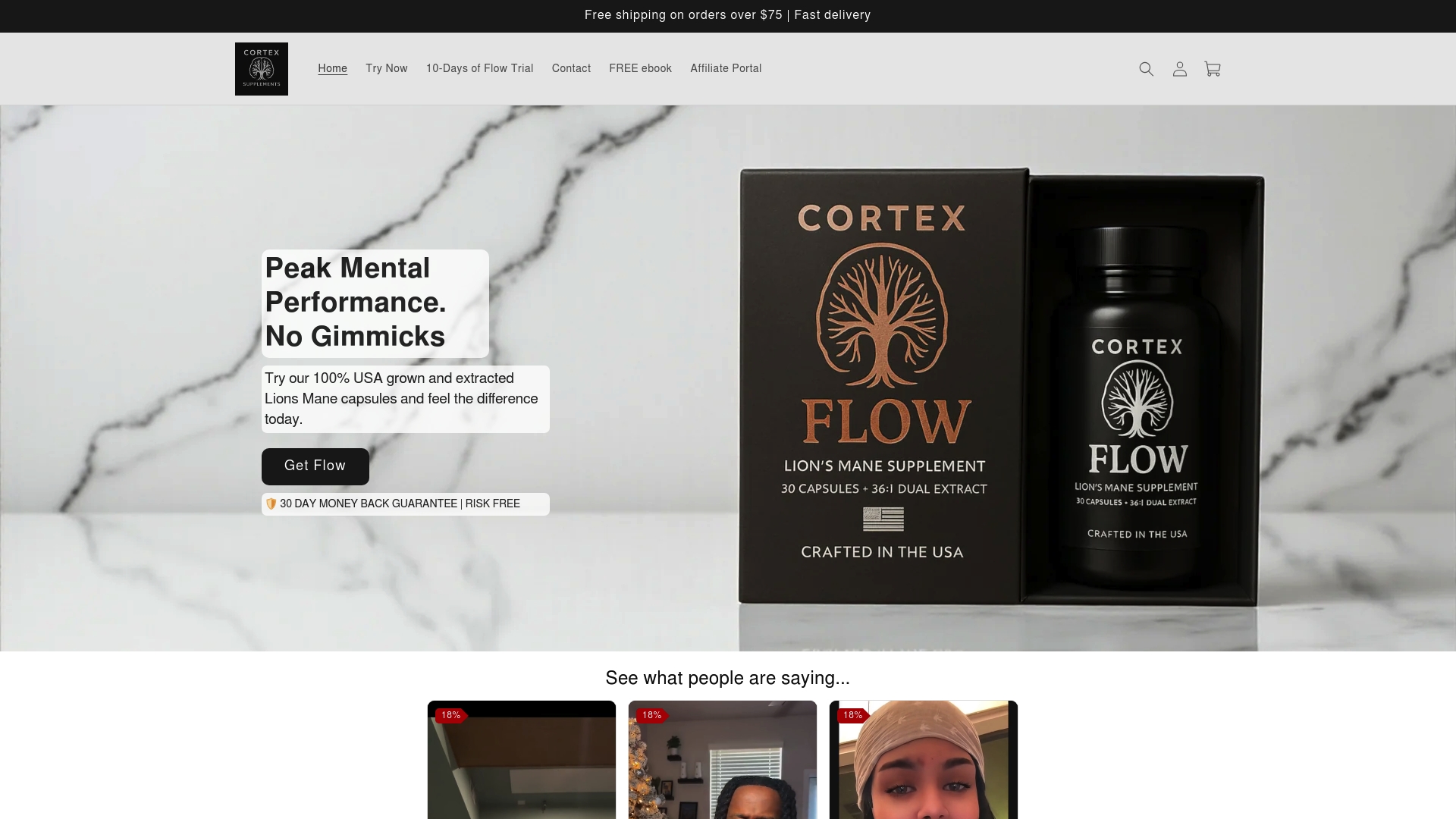
Each bottle provides 30 capsules of freeze-dried extract, preserving bioactive compounds for maximum potency. Our Texas-based company controls the entire process from cultivation through encapsulation, ensuring quality at every step. Explore detailed intake methods and terminology essentials to optimize your supplementation strategy and achieve your cognitive goals confidently.
Frequently Asked Questions
What is a cognitive health checklist and why is it important?
A cognitive health checklist organizes validated screening tools, lifestyle habits, and supplements into an actionable framework for brain health. It cuts through conflicting advice by prioritizing evidence-based interventions, helping you make informed decisions that protect memory and focus as you age.
How often should I do cognitive screening tests like MoCA or Mini-Cog?
Annual screening after age 65 provides baseline data and tracks changes over time. Increase frequency to every six months if you notice memory concerns or have family history of cognitive decline. Request screening during Medicare Annual Wellness Visits or regular primary care appointments.
Can Lion’s Mane extract really improve memory and focus?
Clinical trials show Lion’s Mane extract improves cognitive function over 8-12 weeks when standardized at therapeutic concentrations like 36:1 ratio. The mechanism involves stimulating nerve growth factors that promote neurogenesis and neuroplasticity. Results vary individually, but evidence supports memory and focus benefits.
What lifestyle changes have the biggest impact on brain health?
Physical exercise delivers 30-40% dementia risk reduction, making it the single most powerful lifestyle intervention. Combining exercise with social engagement and cognitive activities yields even stronger benefits. Moderate caffeine intake and Mediterranean diet patterns provide additional neuroprotection.
Are there affordable ways to start improving my cognitive health today?
Start with free lifestyle modifications like daily walks, social phone calls, and brain-training puzzles. Request cognitive screening during existing medical appointments at no additional cost. When budget allows, add quality Lion’s Mane supplements following supplement selection guidance to maximize value and effectiveness.
How do I choose between different Lion’s Mane supplement brands?
Prioritize products using 100% fruiting bodies with standardized extraction ratios like 36:1. Verify the manufacturer controls growing conditions and uses freeze-dried extraction to preserve bioactive compounds. Check for third-party testing and transparent sourcing. Calculate cost per standardized dose rather than just bottle price.
