

Struggling with brain fog at work while researching lion’s mane supplements? You’re facing a confusing market flooded with misleading labels and low-quality extracts. Scientific studies show cognitive benefits emerge after 4+ weeks of consistent supplementation with proper fruiting body extracts. This guide walks you through selecting the most effective lion’s mane extract for mental clarity and focus, from verifying ingredient sources to understanding potency ratios that actually work.
Table of Contents
- Why Quality Matters In Lion’s Mane Supplements
- What You Need Before Choosing Lion’s Mane Extract
- Step 1: Choose The Right Source – Fruiting Body Vs Mycelium
- Step 2: Understand Extraction Methods And Potency Ratios
- Step 3: Determine Proper Dosage And Timing For Cognitive Benefits
- Step 4: Verify Safety And Avoid Common Pitfalls
- Step 5: Evaluate Brand Transparency And Sourcing Practices
- Common Mistakes And Troubleshooting Tips
- Expected Outcomes And How To Measure Success
- Discover Premium Lion’s Mane Extracts For Enhanced Focus
- Frequently Asked Questions
Key Takeaways
| Point | Details |
|---|---|
| Fruiting body extracts deliver superior neuroactive compounds | Mycelium-on-grain products contain starch fillers that dilute potency |
| Dual extraction captures both compound classes | Alcohol and hot water methods preserve hericenones and polysaccharides |
| Start with 750-1500 mg daily in morning | Cognitive improvements typically appear after 4-8 weeks of consistent use |
| Verify third-party testing and certifications | Look for clear extract ratios like 36:1 and organic GMP standards |
| Track focus duration and work productivity | Set realistic measurement goals aligned with clinical timeframes |
Why Quality Matters in Lion’s Mane Supplements
Not all lion’s mane supplements deliver the cognitive benefits you’re seeking. The active neuroregenerative compounds, hericenones and erinacines, promote neurogenesis and support mental clarity. These bioactives concentrate heavily in the mushroom’s fruiting body, the actual visible mushroom part.
Lion’s mane fruiting body extracts contain higher concentrations of bioactive neuroregenerative compounds compared to mycelium-on-grain supplements. Many manufacturers use mycelium grown on grain substrates like rice or oats. This production method is cheaper but results in products packed with starch fillers instead of active compounds.
The “full spectrum” label tricks consumers into believing they’re getting comprehensive benefits. In reality, this term often disguises mycelium-on-grain products with minimal fruiting body content. You need to verify the actual ingredient source on every label you consider.
Quality differences stem from three main factors:
- Mushroom part used (fruiting body vs mycelium)
- Extraction method employed
- Growing and harvesting practices
Understanding the fruiting body cognitive benefits helps you avoid products that waste your money without delivering mental performance gains.
Variability across brands creates a market where two products with identical label claims can produce vastly different results. Manufacturers source from different suppliers, use varying extraction techniques, and operate under different quality control standards. This inconsistency means your supplement choice directly impacts whether you experience improved focus or no change at all.
What You Need Before Choosing Lion’s Mane Extract
Before purchasing any lion’s mane product, you need foundational knowledge to make an informed decision. Understanding the difference between fruiting body and mycelium extracts forms your first essential knowledge base. These aren’t interchangeable options with similar effects.
Commit to consistent daily dosing for at least 4 weeks. Cognitive supplements don’t work like caffeine with immediate effects. Your brain needs time to respond to the neuroregenerative compounds through regular intake.
Prepare for your supplement journey with these requirements:
- Knowledge of your current cognitive baseline (focus duration, mental fatigue patterns)
- Budget allocation for 1-2 months of consistent supplementation
- Healthcare provider consultation if you take medications or have health conditions
- Access to product labels showing extraction methods and ingredient sources
- Basic understanding of dosage ranges and timing recommendations
Mild side effects occur in a small percentage of users. Digestive upset or skin sensitivity can happen when starting supplementation. Having awareness of potential reactions helps you monitor your body’s response and adjust accordingly.
Third-party lab testing results provide verification that products contain what labels claim. You need to know where to find these certifications and what standards matter. GMP (Good Manufacturing Practices) certification indicates regulated production processes. Organic certification confirms cultivation without synthetic pesticides.
Realistic expectations protect you from disappointment and premature discontinuation. You won’t wake up the next day with perfect focus after a single dose. Benefits accumulate gradually as compounds support neural health pathways over weeks of intake.
Step 1: Choose the Right Source – Fruiting Body vs Mycelium
Your ingredient source determines whether you get meaningful cognitive benefits or expensive placebo. The fruiting body is the actual mushroom you see growing, packed with hericenones and erinacines that support brain health. Mycelium is the underground root structure that manufacturers often grow on grain substrates.
Fruiting body extracts have significantly more hericenones and erinacines than mycelium-on-grain, which contain starch fillers resulting in lower efficacy. When mycelium grows on grain, it becomes inseparable from the substrate. The final product is ground up mixture containing mostly grain with minimal mushroom content.
| Feature | Fruiting Body Extract | Mycelium-on-Grain |
|---|---|---|
| Active compound concentration | High hericenones and erinacines | Low, diluted by grain fillers |
| Beta-glucan content | 25-40% typical | Often under 10% |
| Clinical evidence | Strong support for cognition | Limited research backing |
| Production cost | Higher due to cultivation time | Lower, faster growth cycle |
| Label transparency | Usually clear sourcing | Often vague wording |
Look for products explicitly stating “100% fruiting body” or “fruiting body only” on their labels. Avoid phrases like “mycelium biomass” or “full spectrum myceliated grain.” These terms signal grain-heavy formulations.
Clinical studies demonstrating cognitive improvements consistently use fruiting body extracts. Research on fruiting body vs mycelium explained shows the fruiting body delivers compounds in concentrations necessary for neurological effects. Your selection here makes or breaks your supplement results.
Verifying ingredient lists requires careful label reading:
- Check for “fruiting body (Hericium erinaceus)” as the sole or primary ingredient
- Reject products listing “mycelium” before “fruiting body” in ingredients
- Look for beta-glucan percentage disclosure (should exceed 20%)
- Avoid generic “mushroom powder” without source specification
Pro Tip: Email manufacturers directly asking what percentage of their product is fruiting body versus mycelium. Legitimate companies provide clear answers, while evasive responses indicate quality concerns.
Step 2: Understand Extraction Methods and Potency Ratios
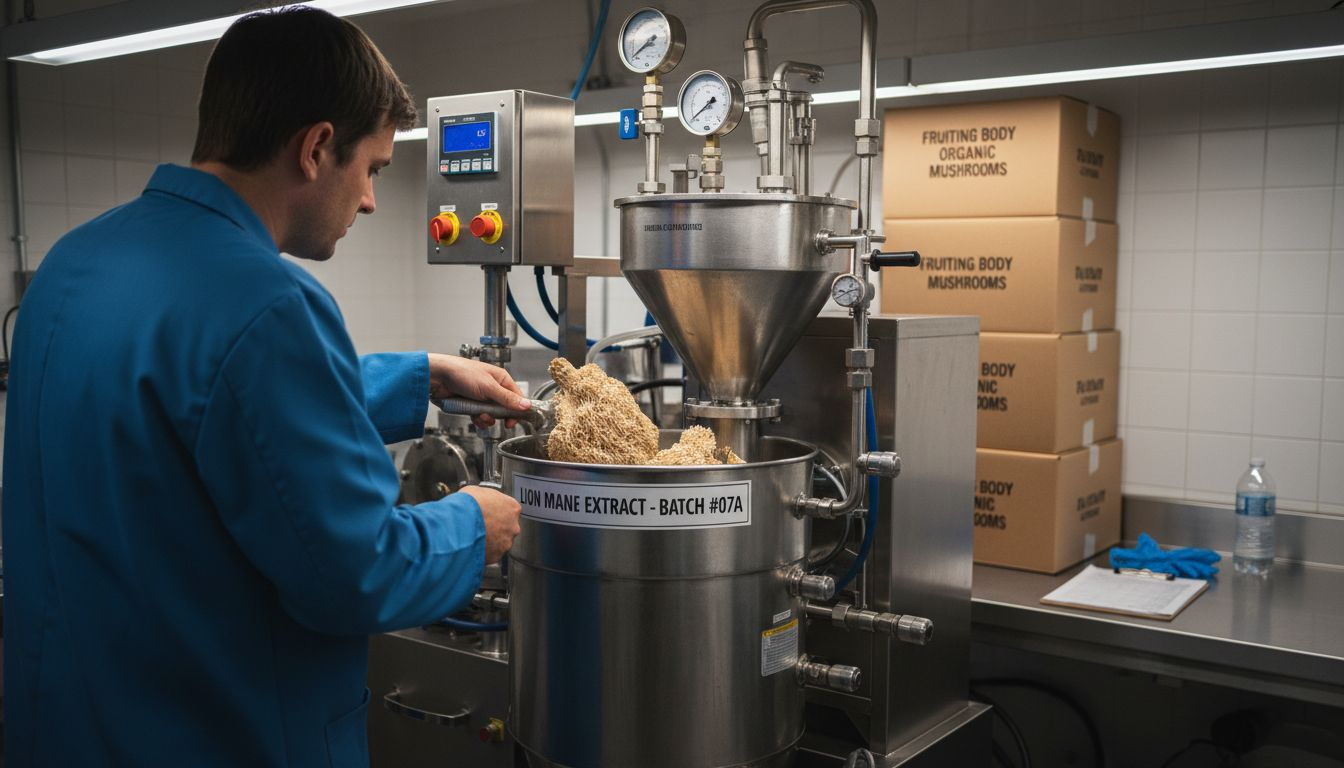
Extraction methods determine which active compounds end up in your supplement and at what concentrations. Dual extraction (alcohol and hot water) captures both neuroregenerative compounds and immune-supporting polysaccharides, maximizing bioactive potency. Alcohol extraction pulls hericenones and fat-soluble compounds, while hot water extraction captures beta-glucans and polysaccharides.
Single extraction methods miss entire compound classes. An alcohol-only extract leaves behind water-soluble polysaccharides. A water-only extract fails to capture important terpenoid compounds like hericenones. You need both extraction types working together.
Extraction ratios like 36:1 indicate concentration level. This means 36 pounds of fresh fruiting bodies concentrate down to 1 pound of extract powder. Higher ratios suggest more concentrated products, but the extraction method matters more than the ratio alone.
A 36:1 extract using poor-quality mycelium-on-grain delivers concentrated grain starch, not cognitive benefits. Meanwhile, a 10:1 dual-extracted fruiting body product may outperform it. The source material and extraction technique create the quality foundation.
Look for these extraction indicators on product labels:
- Dual extraction or hot water plus alcohol extraction mentioned
- Specific extraction ratio (like 8:1, 14:1, or 36:1)
- Beta-glucan content percentage disclosure
- Standardized compound percentages when available
Manufacturers using proper extraction methods usually highlight this information prominently. Vague descriptions like “carefully processed” or “traditionally prepared” often hide inferior single-extraction or raw powder products.
Pro Tip: Contact customer service and ask specifically whether the product uses dual extraction. Quality brands answer confidently with detailed explanations, while unclear responses suggest they’re selling raw powder marketed as extract.
Step 3: Determine Proper Dosage and Timing for Cognitive Benefits
Dosage directly impacts whether you experience cognitive improvements or waste money on ineffective amounts. Clinical studies show fruiting body extract doses of 1.8-10 g daily improve cognition within 4-8 weeks. Most concentrated extracts require less due to higher potency per gram.
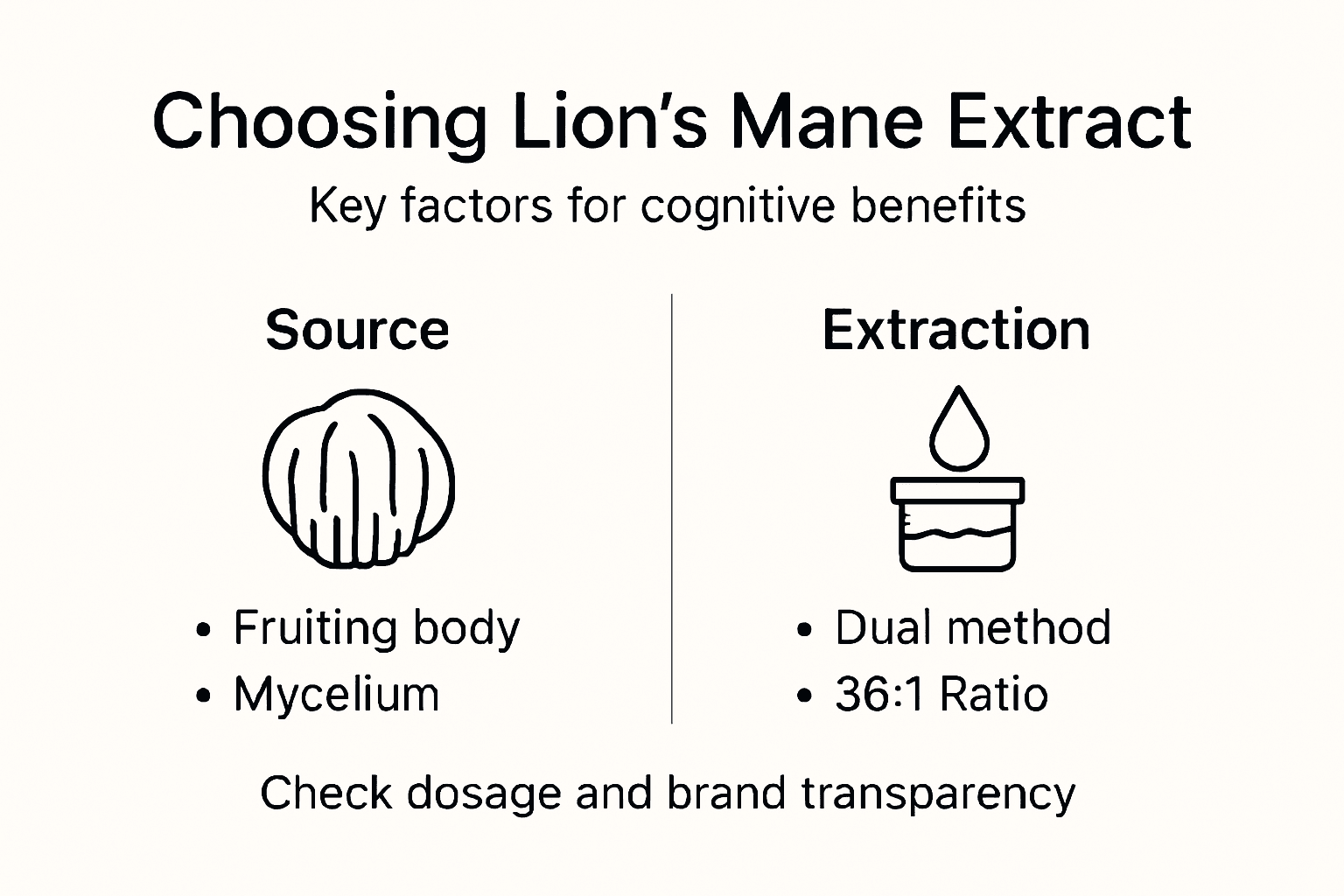
Typical starting dose ranges from 750-1500 mg daily in morning or early afternoon. This range works for most working professionals seeking focus and mental clarity improvements. Your specific needs may require adjustment based on extract concentration and individual response.
Start with this dosing approach:
- Begin with 750 mg in the morning with breakfast
- Monitor cognitive effects and any side effects for one week
- Increase to 1000-1500 mg if no adverse reactions occur
- Continue consistently for minimum 4 weeks before evaluating effectiveness
- Adjust upward slowly (by 250-500 mg) if results remain insufficient
Timing your dose matters for optimal results. Morning intake allows neuroregenerative compounds to support focus during peak work hours. Early afternoon dosing works as an alternative if morning supplements upset your stomach.
Avoid evening doses, which may cause overstimulation in sensitive individuals. While lion’s mane doesn’t contain stimulants, its cognitive-enhancing effects can interfere with winding down for sleep when taken late.
Higher dosages benefit those with diagnosed ADHD or more severe cognitive challenges. Professional guidance helps determine appropriate amounts above 2 g daily. Your healthcare provider can monitor effects and adjust based on your specific neurological needs.
Consistency trumps dosage amount. Taking lion’s mane for ADHD dosage regularly at the same time daily maintains steady compound levels in your system. Sporadic supplementation, even at higher doses, produces inferior results compared to reliable daily intake.
Key timing and dosage factors:
- Take with food to enhance absorption and reduce stomach sensitivity
- Maintain same dosing schedule daily for compound accumulation
- Wait full 4 weeks minimum before judging effectiveness
- Consider splitting doses (morning and early afternoon) for amounts exceeding 1500 mg
Pro Tip: Set a phone reminder for your daily dose. Missing days disrupts the compound buildup necessary for neurological benefits, extending the timeline before you notice improvements.
Step 4: Verify Safety and Avoid Common Pitfalls
Lion’s mane demonstrates an excellent safety profile with minimal adverse effects. Less than 5% of users report mild side effects like digestive upset or skin rash, with no serious adverse events reported. This safety record makes it accessible for most working professionals seeking cognitive support.
Your primary safety concern involves product quality rather than the mushroom itself. Contaminated supplements, heavy metal exposure from poor sourcing, or allergic reactions to fillers pose real risks. Third-party testing and GMP certifications provide verification that products meet safety standards.
Common pitfalls undermine your supplementation efforts:
- Purchasing based solely on low price, leading to ineffective mycelium-on-grain products
- Inconsistent dosing that prevents compound accumulation
- Stopping supplementation before 4 weeks due to impatience
- Ignoring label details about extraction methods and ingredient sources
- Trusting marketing claims without verifying certifications
Avoid products with vague labeling or missing information about growing conditions. Supplements grown in unregulated facilities may contain contaminants or lack stated active compounds. Clear transparency about sourcing and testing indicates manufacturer confidence in product quality.
Consult your healthcare provider before starting supplementation if you take medications or have existing health conditions. Lion’s mane may interact with blood thinners or diabetes medications. Professional guidance ensures safe integration with your current health management.
“Quality verification through testing certificates matters more than brand recognition or pricing. Many premium-priced products fail potency tests, while some moderately priced options exceed label claims.”
Watch for these red flags indicating unreliable products:
- No mention of third-party testing or lab reports
- Absence of GMP or organic certifications
- Extremely low pricing compared to market averages
- Unclear ingredient sourcing or mushroom part used
- Exaggerated benefit claims without scientific backing
Check dosage and intake methods resources to ensure you’re following evidence-based protocols that maximize safety while optimizing cognitive benefits.
Step 5: Evaluate Brand Transparency and Sourcing Practices
Brand transparency reveals whether manufacturers stand behind their products with verifiable quality standards. Clear labeling of extract ratio, beta-glucan content, and third-party testing correlates with effective products. Companies hiding basic information usually have something to hide.
US-grown lion’s mane from organic, controlled cultivation environments offers superior quality control compared to imported products with unclear origins. Domestic growing operations face stricter regulations and oversight. Texas-based manufacturers like Cortex Supplements grow their own mushrooms, ensuring complete supply chain control.
Certifications provide independent verification of quality claims:
- Organic certification confirms cultivation without synthetic pesticides or fertilizers
- GMP certification indicates regulated manufacturing processes meeting safety standards
- Third-party lab testing verifies active compound content matches label claims
- Heavy metal testing ensures no contamination from growing substrates
Extract ratio disclosure demonstrates transparency about concentration levels. A product stating “36:1 extract” tells you exactly how much raw material concentrates into the final supplement. Missing ratio information suggests the product may be raw powder rather than true extract.
Beta-glucan percentage serves as a quality benchmark. Fruiting body extracts typically contain 25-40% beta-glucans. Products disclosing this percentage show confidence in their composition. Those avoiding this metric often fail to meet quality thresholds.
Verify brand reliability through these checks:
- Website includes detailed sourcing information and growing practices
- Customer service responds knowledgeably to ingredient questions
- Lab test results are readily available or provided upon request
- Reviews mention consistent cognitive effects rather than just shipping speed
- Company explains their extraction process with specific technical details
Pro Tip: Request a certificate of analysis (COA) from the manufacturer before purchasing. Legitimate companies provide these lab reports showing compound testing results. Refusal or delays signal potential quality issues worth avoiding.
Common Mistakes and Troubleshooting Tips
Most supplement failures stem from preventable purchasing and usage errors. Over 40% of consumers mistakenly select lion’s mane products based on price or marketing hype without verifying quality, resulting in poor efficacy. Understanding these pitfalls helps you avoid wasted money and disappointment.
Choosing solely by price leads to mycelium-on-grain products dressed up with impressive labels. Budget options typically sacrifice ingredient quality for profit margins. While expensive doesn’t guarantee quality, suspiciously cheap supplements almost always underdeliver on cognitive benefits.
Inconsistent dosing or premature discontinuation prevents compound accumulation necessary for neurological effects. You need 4-8 weeks of daily intake before judging effectiveness. Stopping at 2 weeks because you don’t feel different wastes your initial investment and effort.
Many consumers confuse “full spectrum” marketing with quality verification. This term sounds comprehensive but often disguises mycelium-on-grain products. Actual quality indicators include extraction method, fruiting body verification, and beta-glucan percentages.
Troubleshooting common issues:
- No effects after 4 weeks: Verify you’re taking true fruiting body extract at adequate doses (1000-1500 mg minimum)
- Mild stomach upset: Take with substantial food or split dose throughout the day
- Inconsistent results: Check for dosing regularity and consider timing adjustments
- Drowsiness: Switch from evening to morning intake
- Unexpected alertness: Reduce dose or take earlier in the day
Verify these factors before assuming lion’s mane doesn’t work for you:
- Product actually contains fruiting body extract, not mycelium powder
- Dose meets minimum effective range for your body weight and needs
- You’ve maintained consistent daily intake for at least 4 weeks
- Extract uses dual extraction capturing both compound classes
- Manufacturer provides lab testing showing adequate beta-glucan content
Pro Tip: Keep a simple daily log tracking your dose time, amount, and any cognitive observations. This data helps identify patterns and optimal timing while providing evidence if you need to adjust your approach.
Expected Outcomes and How to Measure Success
Setting realistic expectations prevents premature disappointment and helps you properly evaluate supplement effectiveness. Cognitive enhancements such as improved focus, memory, and reduced brain fog typically appear after 4-8 weeks of daily lion’s mane fruiting body extract supplementation. Benefits accumulate gradually as neuroregenerative compounds support neural pathway development.
Typical improvements working professionals notice include sustained concentration during tasks, faster memory recall, reduced afternoon mental fatigue, and clearer thinking during complex problem solving. These changes manifest subtly at first, becoming more obvious as weeks progress.
Track your cognitive baseline before starting supplementation. Note your typical focus duration, afternoon energy dips, and mental clarity levels. Comparing these metrics after 4-8 weeks reveals actual progress versus subjective impressions.
| Timeframe | Expected Changes | Measurement Methods |
|---|---|---|
| Week 1-2 | Possible mild alertness, familiarization | Daily energy and focus logs |
| Week 3-4 | Subtle focus improvements begin | Work productivity tracking, task completion times |
| Week 5-8 | Noticeable memory and clarity gains | Compare baseline notes, feedback from colleagues |
| Week 9+ | Sustained cognitive enhancement | Long-term focus duration, reduced brain fog episodes |
Measure success through practical metrics:
- Hours of sustained focus before mental fatigue sets in
- Number of tasks completed during peak productivity windows
- Frequency of brain fog episodes weekly
- Speed of information recall during meetings or conversations
- Subjective mental clarity ratings on a daily scale
Avoid expecting instant transformation after a single dose. Neurogenesis and neural pathway optimization require time and consistent compound presence. Your brain isn’t a light switch that flips on immediately with supplementation.
Realistic success indicators align with lion’s mane cognitive gains guide research. Most users report 20-30% improvement in focus duration and mental clarity after 8 weeks. Some experience more dramatic benefits, while others notice subtler changes.
Combining lion’s mane with healthy sleep, regular exercise, and proper nutrition amplifies cognitive benefits. The supplement supports lion’s mane neurogenesis benefits that work synergistically with overall brain health practices.
Discover Premium Lion’s Mane Extracts for Enhanced Focus
You now understand what separates effective lion’s mane supplements from disappointing products. Finding trusted sources that deliver on quality promises can still challenge busy professionals.
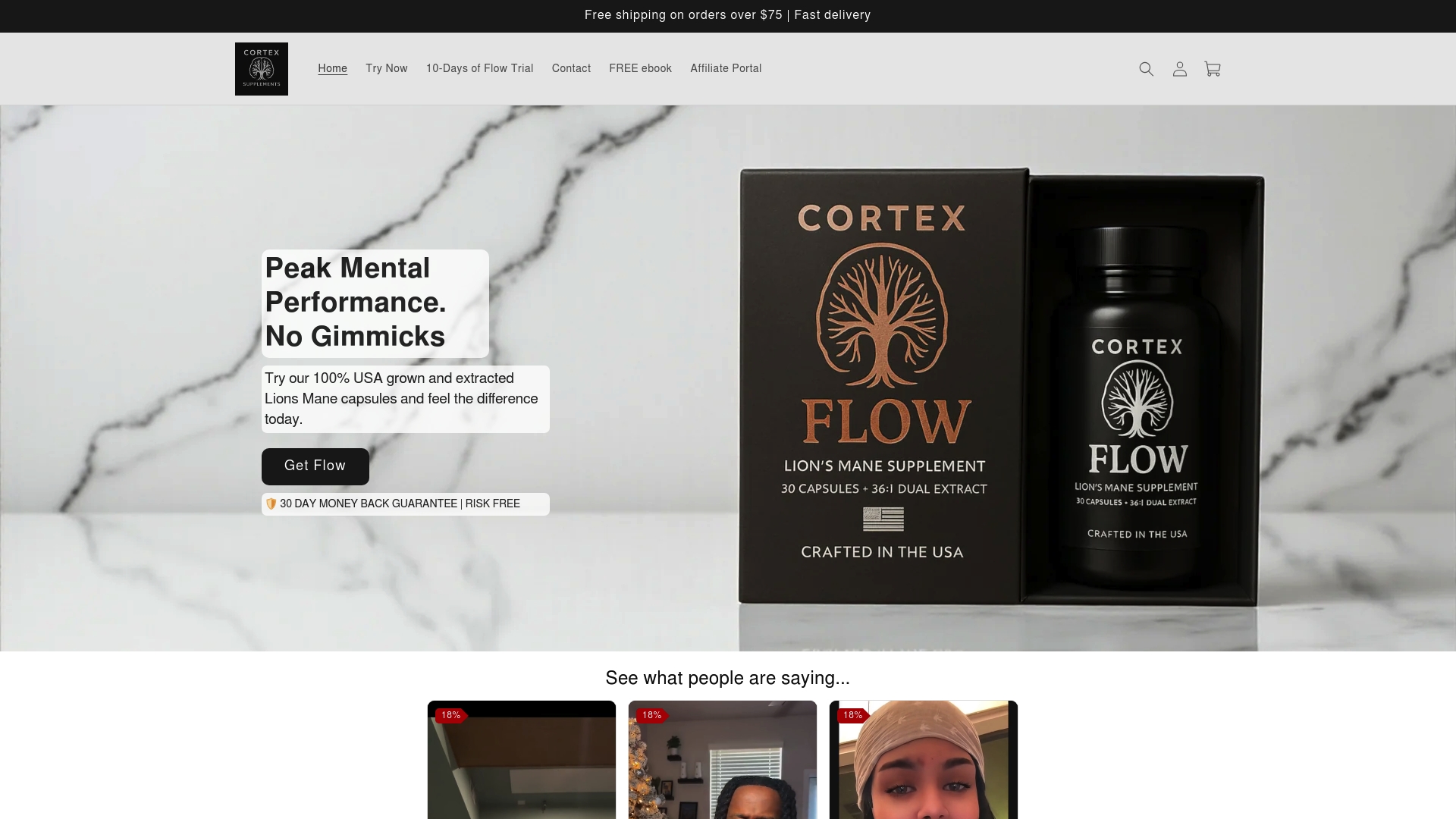
Cortex Flow offers 100% fruiting body lion’s mane extract at a 36:1 concentration ratio, providing the potency levels discussed throughout this guide. Each capsule contains freeze-dried dual extraction capturing both neuroregenerative hericenones and immune-supporting polysaccharides. We grow every mushroom ourselves in Texas under controlled organic conditions, ensuring supply chain transparency from cultivation to capsule.
Our lion’s mane capsules intake guide provides detailed protocols for working professionals integrating supplementation into demanding schedules. The 6-step lion’s mane checklist for busy professionals walks you through optimizing your cognitive support routine.
Third-party testing verifies our beta-glucan content and confirms absence of heavy metals or contaminants. Every batch meets GMP standards with full traceability. Explore Cortex Flow to experience the difference that genuine quality makes for your mental clarity and focus.
Frequently Asked Questions
What’s the difference between lion’s mane powder and extract?
Powder is dried mushroom ground into fine particles containing compounds in their natural concentrations. Extract uses alcohol and hot water processing to concentrate active compounds like hericenones and beta-glucans 8 to 36 times beyond raw powder levels. Extract provides therapeutic doses in smaller serving sizes with higher bioavailability.
How long before I notice cognitive improvements from lion’s mane?
Most users notice subtle focus improvements around week 3-4 of consistent daily dosing. Significant cognitive enhancements including sustained concentration and reduced brain fog typically appear after 4-8 weeks. Benefits accumulate gradually as neuroregenerative compounds support neural pathway development, so patience and consistency matter more than high single doses.
Can I take lion’s mane with coffee or other supplements?
Yes, lion’s mane combines safely with caffeine and most common supplements. Many professionals stack it with coffee for complementary focus benefits, where caffeine provides immediate alertness while lion’s mane supports long-term cognitive health. Avoid combining with anticoagulant medications without medical supervision, as lion’s mane may affect blood clotting.
Should I choose capsules, powder, or tincture form?
Capsules offer precise dosing, convenience, and protection from taste, making them ideal for busy professionals. Powder allows flexible dosing and mixing into beverages but has an earthy taste some dislike. Tinctures provide fast absorption but typically cost more per dose. Choose based on your lifestyle and consistency needs, as regular intake matters more than delivery method.
Is organic certification important for lion’s mane supplements?
Organic certification ensures cultivation without synthetic pesticides, fertilizers, or contaminants that accumulate in mushroom tissue. Since mushrooms absorb compounds from their growing environment, organic standards provide quality assurance. While not absolutely mandatory, organic certification indicates manufacturer commitment to purity and typically correlates with overall quality practices.
What if I don’t notice any effects after 8 weeks?
Verify you’re taking true fruiting body extract at 1000-1500 mg daily minimum. Check that your product uses dual extraction and provides lab testing confirming adequate beta-glucan content. If your dose and product quality check out, try increasing to 2000 mg daily or consider that your baseline cognitive function may already be optimized through lifestyle factors.
