

Every Texas mom knows that juggling family, work, and daily stress can leave your mind feeling sluggish by midday. With so many supplements lining store shelves and claims swirling online, it is easy to feel lost about what will truly support your brain health. Cutting through the marketing hype, this guide focuses on high-quality lion’s mane products and what actually helps moms tackle brain fog safely, with an emphasis on proven cognitive support and supplement quality.
Table of Contents
- Supplements For Moms: Core Concepts And Misconceptions
- Types Of Supplements: Natural Versus Synthetic Options
- Lion’s Mane Mushrooms: How They Support Cognitive Health
- Safety And Legal Considerations For Moms Using Supplements
- Recognizing Risks And Common Mistakes With Supplement Use
Key Takeaways
| Point | Details |
|---|---|
| Importance of Individual Needs | Supplements should be tailored to personal dietary needs and health history, particularly during pregnancy and breastfeeding. |
| Quality Over Quantity | Focus on high-quality supplements backed by research and third-party testing instead of following marketing claims. |
| Consult Healthcare Providers | Always discuss supplement use with a healthcare provider to ensure safety and appropriate dosage. |
| Avoid Common Mistakes | Be cautious of overusing supplements, skipping medical advice, or assuming all are equally safe and effective. |
Supplements for Moms: Core Concepts and Misconceptions
Most moms in urban Texas juggle work, kids, and health decisions daily. When it comes to supplements, the noise is deafening—advice from friends, social media claims, and wellness influencers all promising miracles. The reality? Some supplements have solid science backing them, while others don’t deliver what they promise.
Let’s cut through the confusion and focus on what actually matters.
What the Research Actually Shows
Maternal nutrition during pregnancy and postpartum has proven impact on both your health and your baby’s development. But not all supplements are created equal—some have decades of evidence, others are mostly marketing.
Here’s what works:
- Folic acid reduces neural tube defects by over 70%, making it one of the most important supplements for women of childbearing age
- Iron supplementation reduces maternal anemia by 30-50%, critical for preventing fatigue and complications
- Prenatal vitamins with these proven ingredients offer real protection when taken as recommended
These aren’t buzzwords—they’re measurable health outcomes backed by large-scale studies.
Common Misconceptions That Lead Moms Astray
One of the biggest myths? More is always better. Many moms believe if some antioxidants are good, mega-doses must be better. That’s not how biology works.
High-dose antioxidant supplements often show no benefit or potential harm, according to research on maternal supplementation safety. Your body needs balance, not excess.
Another misconception: All supplements are equally safe and pure. Reality check: many supplements lack quality control and contain undeclared substances. This matters when you’re pregnant or breastfeeding—what you take affects your baby.
What Moms Actually Need to Know
Supplements aren’t one-size-fits-all. Your individual needs depend on your diet, health history, and stage of life. A mom with adequate iron levels doesn’t need high-dose iron. A vegan mom might need different supplementation than someone eating meat regularly.
Key points to understand:
- Routine supplementation isn’t necessary for everyone, but it’s critical for at-risk groups
- Your healthcare provider should guide recommendations based on your specific situation
- Quality matters—undeclared substances and poor manufacturing can cause real problems
- Timing and dosage matter as much as the supplement itself
The best supplement is one you actually need, in the right dose, from a quality source—personalized to your life, not a one-size-fits-all promise.
The Texas Mom Reality
You’re busy. You don’t have time to become a supplement scientist. What you need is clarity: Which supplements have real evidence? Which are hype? Where do you find quality products you can trust?
When comparing options, understanding the difference between types of supplements—like the extraction method and potency—helps you make informed decisions. Different supplement forms deliver different results, and knowing those distinctions prevents wasted money and effort.
Pro tip: Before adding any supplement, ask your doctor three questions: Do I actually need this? What’s the right dose for me? Where can I find a quality version? This takes 90 seconds and saves you from expensive mistakes.
Here’s a comparison to help Texas moms evaluate supplement options:
| Criterion | High-Quality Supplement | Low-Quality Supplement | Marketing-Driven Supplement |
|---|---|---|---|
| Scientific Support | Backed by rigorous studies | Little or no real evidence | Oversells minor benefits |
| Quality Assurance | Third-party tested, transparent | Vague sourcing, no reports | Relies on buzzwords |
| Dosage Accuracy | Matches label, verified | Often inconsistent | Can be misleading |
| Safety Profile | Low risk, documented safety | Higher risk of contaminants | Focuses on trends over safety |
Types of Supplements: Natural Versus Synthetic Options
When you’re standing in the supplement aisle, the choice feels simple: natural or synthetic. But here’s the thing—that distinction matters way less than you’d think. What actually matters is whether the supplement works, whether it’s safe, and whether your body can actually use it.
Let’s break down what these terms really mean and why moms in Texas should care about the difference.
Understanding Natural and Synthetic Supplements
Natural supplements come from whole foods or plant extracts—think lion’s mane mushroom powder or food-derived vitamins. Synthetic supplements are created in a lab, isolating specific nutrients or vitamins in their pure form.
Here’s the catch: your body doesn’t always care about the origin story.
Natural and synthetic supplements differ in bioavailability, meaning how well your body absorbs and uses them. Some synthetic forms are actually absorbed better than natural versions. Other times, the whole food extract wins. It depends on the specific nutrient and your individual body chemistry.
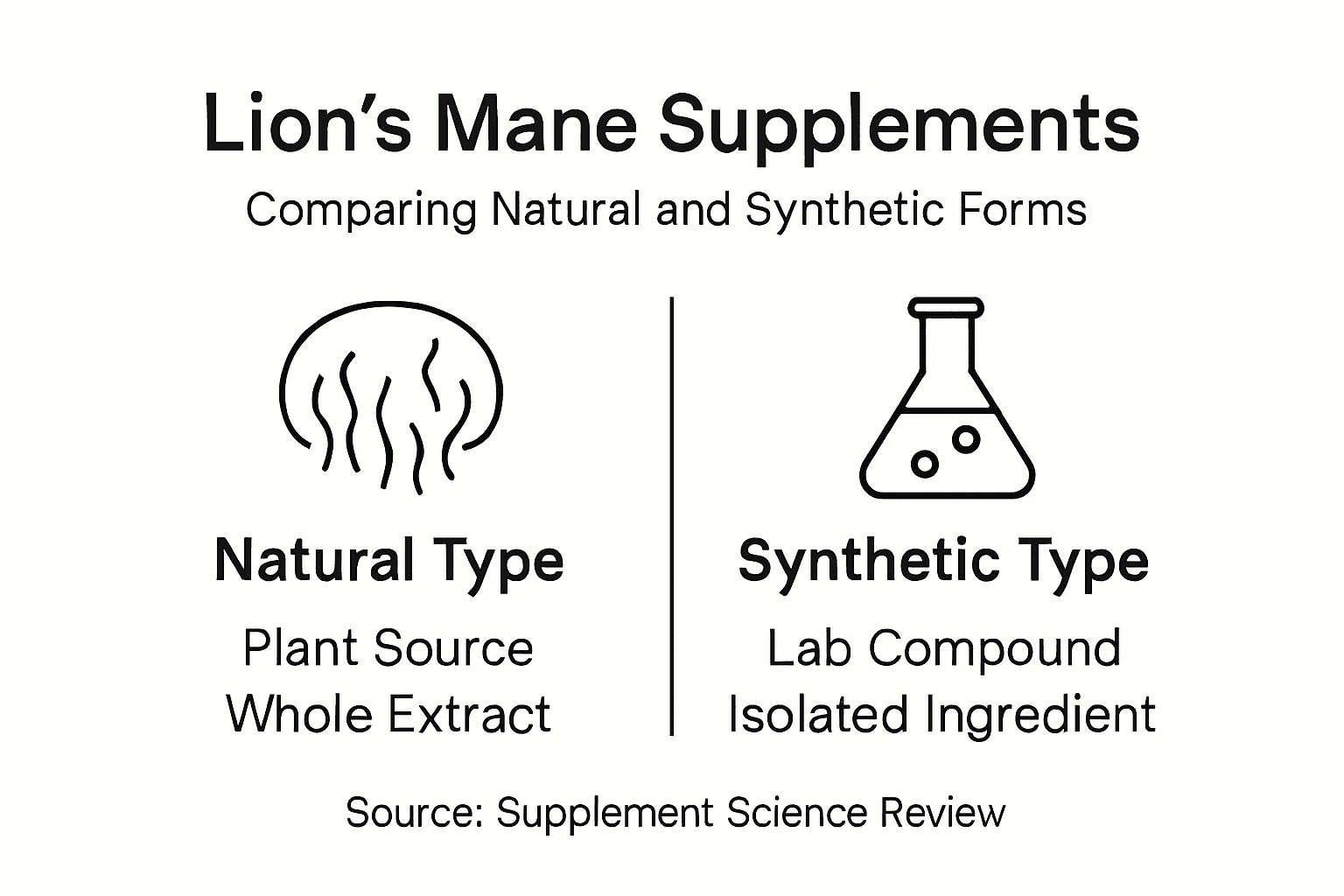
To clarify supplement types and their unique properties:
| Attribute | Natural Supplements | Synthetic Supplements |
|---|---|---|
| Source | Food or plant derived | Lab-manufactured compounds |
| Bioavailability | Varies—sometimes lower | Sometimes higher or equal |
| Purity Concerns | May contain natural toxins | Greater control, but risks if unregulated |
| Label Clarity | Can lack standardization | Usually clearly defined |
Why Moms Fall for the “Natural” Marketing Trap
There’s a powerful belief that natural automatically means safer and better. That’s not always true. Natural doesn’t mean uncontaminated, pure, or more effective—it just means sourced from nature.
Many “natural” supplements lack consistent quality control. Contaminants like heavy metals or molds can hide in natural products. Your unborn baby or nursing infant doesn’t know whether a nutrient came from nature or a lab—they just need what works.
Key Differences That Actually Matter
Forget the natural versus synthetic debate for a moment. Focus on what separates good supplements from mediocre ones:
- Bioavailability: Can your body absorb and use it effectively?
- Purity: Is the supplement contaminated with undeclared substances?
- Dosage accuracy: Does it actually contain what the label claims?
- Evidence: Has research shown it works for your specific need?
- Form and extraction method: Whole fruiting body extracts differ from isolated compounds
The best supplement is the one your body can actually absorb and use—whether it comes from a mushroom or a beaker.
Lion’s Mane: A Perfect Example
Lion’s mane mushroom supplements demonstrate why this debate matters less than you think. The effectiveness depends on the extraction method and potency level, not whether it’s called “natural” or “synthetic.”

A high-quality lion’s mane extract made from whole fruiting bodies grown in the United States—properly extracted and standardized—outperforms low-quality “natural” powders every time. It’s about quality control and potency, not origin.
The Real Question for Texas Moms
Stop asking if a supplement is natural or synthetic. Start asking:
- Does this have actual research backing its benefits?
- Is it made by a company with real quality control standards?
- What’s the extraction method and potency?
- Can I verify the purity and dosage accuracy?
World Health Organization guidance emphasizes quality assurance and evidence-based supplementation over supplement type. Your focus should match theirs.
Pro tip: Look for supplements that provide third-party testing results or certificates of analysis—this beats any “natural” claim. If a company won’t show you proof of purity and potency, that’s your red flag, regardless of whether they claim natural or synthetic origins.
Lion’s Mane Mushrooms: How They Support Cognitive Health
You know that feeling when your brain turns to mush mid-afternoon? The fog rolls in around 2 p.m., focus disappears, and suddenly you’re rereading the same email three times. For moms juggling work, kids, and everything in between, cognitive clarity isn’t a luxury—it’s survival.
Lion’s Mane mushroom offers a different approach. Instead of chasing quick fixes, it works by supporting your brain’s foundational health.
The Science Behind Lion’s Mane
Lion’s Mane (Hericium erinaceus) isn’t just another supplement trend. The mushroom contains bioactive compounds that trigger something your brain desperately needs: nerve growth factor (NGF) production.
Think of NGF as your brain’s repair and maintenance crew. It supports the connections between neurons, strengthens existing pathways, and even encourages new neural growth. Lion’s Mane promotes nerve growth factor synthesis, which enhances brain plasticity—your brain’s ability to adapt, learn, and recover.
This isn’t theoretical. It’s how your brain stays sharp.
What This Means for Your Cognitive Function
Better brain health translates to real, measurable improvements:
- Enhanced memory recall when you need to remember important details
- Sustained concentration through long work sessions or parenting challenges
- Mental clarity that replaces the afternoon fog
- Faster information processing so you’re not feeling scattered
- Neuroprotection supporting long-term brain resilience
For moms in urban Texas balancing careers and family, these benefits address actual daily struggles, not hypothetical problems.
How Lion’s Mane Works Differently Than Other Supplements
Most cognitive supplements provide a temporary boost—like caffeine giving you a jolt. Lion’s Mane works differently. It supports your brain’s underlying structure and function, creating lasting improvements over time.
The mushroom’s role in neurogenesis explains why consistent use matters more than one-time doses. You’re not chasing an immediate spike; you’re building cognitive resilience.
Research also shows potential benefits for mitigating cognitive decline related to aging and neurological stress. For aging parents or those concerned about long-term brain health, this matters.
The Timeline and What to Expect
Lion’s Mane isn’t an instant fix. Most users notice improvements within 2-4 weeks of consistent use, with peak benefits around 8-12 weeks. Your brain needs time to build those new connections and strengthen existing pathways.
Consistency matters more than quantity. Daily supplementation with a high-quality extract delivers better results than sporadic use of mega-doses.
Lion’s Mane supports your brain’s natural repair and growth systems—working with your biology, not against it.
Quality Extraction Matters More Than You’d Think
Not all lion’s mane supplements deliver the same results. The extraction method determines bioavailability—how well your body actually absorbs the active compounds.
A freeze-dried extract from 100% fruiting bodies (the actual mushroom cap, not mycelium on grain) provides superior potency and absorption compared to powders or lower-quality extracts.
Pro tip: Start with a consistent daily dose from a high-quality source and give it at least 4 weeks before evaluating results. Your brain works slowly but surely—patience pays off with real, lasting cognitive improvements.
Safety and Legal Considerations for Moms Using Supplements
You’re considering a supplement to support your cognitive health or help you feel less foggy during the workday. But before you add anything to your routine, especially if you’re pregnant or breastfeeding, you need to understand what’s actually regulated and what isn’t.
The supplement world operates under different rules than you might expect. Understanding those rules protects both you and your family.
How Supplements Are Actually Regulated
Here’s what surprises most moms: the FDA regulates dietary supplements differently than pharmaceuticals. This isn’t a flaw—it’s by design. But it means less pre-market testing and more responsibility on manufacturers.
Manufacturers must ensure their supplements are safe before selling them. However, the FDA doesn’t approve supplements the way it approves medications. Instead, the agency monitors adverse event reports and can pull unsafe products off shelves after problems emerge.
For moms, this distinction matters significantly. You’re not getting the same level of pre-market safety verification as you would with a prescription medication.
Real Risks That Affect Your Family
Without stricter upfront regulation, certain risks emerge:
- Contamination with heavy metals, molds, or bacteria
- Incorrect dosages that don’t match label claims
- Undeclared ingredients that could interact with medications
- Misleading health claims that oversell benefits
- Unknown interactions with prenatal vitamins or medications
These aren’t theoretical worries. Regulatory frameworks for pregnant women address contamination and labeling accuracy as critical safety concerns because what you ingest directly affects your baby.
Your Safety Checklist Before Starting Any Supplement
Before adding lion’s mane or any supplement to your routine, complete these steps:
- Talk to your healthcare provider about your specific situation, medical history, and any medications you take
- Ask about third-party testing whether the supplement has been independently verified for quality and purity
- Verify the label matches what’s actually in the bottle—check for batch numbers and expiration dates
- Research the manufacturer look for companies with transparency about sourcing and testing
- Start slowly introduce one new supplement at a time so you can identify any reactions
- Monitor your response track how you feel and report any changes to your doctor
Your healthcare provider should guide supplement decisions, especially during pregnancy or breastfeeding—not marketing claims or wellness trends.
What Makes a Supplement Trustworthy
Quality manufacturers operate differently. They invest in third-party testing, publish certificates of analysis, and source from trusted suppliers. They’re transparent about extraction methods, potency levels, and quality control.
A company that grows its own mushrooms in the United States and uses freeze-dried whole fruiting body extracts operates under greater accountability than a reseller importing bulk powders.
These details matter because they indicate genuine commitment to safety, not just profit.
Pregnancy and Postpartum: Special Caution Required
Pregnancy and postpartum create unique considerations. Your body handles nutrients differently, and what you take affects your developing baby or nursing infant.
Limited regulation becomes a bigger problem during these stages. Your doctor needs to evaluate whether any supplement is worth the potential risks given limited long-term safety data for these populations.
Don’t assume “natural” means “safe during pregnancy.” Many natural substances carry real risks during this sensitive window.
Pro tip: Before starting any supplement, write down three questions for your doctor: Is this safe for my situation? What’s the ideal dose for me? What brand or product do you recommend? This conversation takes minutes and prevents expensive or risky mistakes.
Recognizing Risks and Common Mistakes with Supplement Use
You found a supplement that promises to sharpen your focus and reduce brain fog. Your friend swears by it. The reviews look solid. So you buy a bottle and start taking double the recommended dose because you want faster results.
Stop. This is where most moms make costly mistakes.
The Most Common Supplement Mistakes
People misuse supplements in predictable ways. Understanding these patterns helps you avoid them.
Supplement misuse during pregnancy leads to toxicity and nutrient imbalances, and the same risks apply to postpartum and breastfeeding phases. Common mistakes include:
- Taking more than recommended believing higher doses equal faster results
- Skipping healthcare provider conversations thinking supplements don’t need medical oversight
- Mixing multiple supplements without checking interactions creating dangerous combinations
- Buying from unverified sources to save money on quality products
- Using supplements as food replacements instead of supporting a balanced diet
- Ignoring adverse effects hoping symptoms will resolve on their own
Each of these sounds minor until you realize the consequences.
Why Dosing Matters More Than You Think
More isn’t better. Your body can only absorb and utilize a certain amount of any nutrient. Excess amounts don’t multiply benefits—they create toxicity risks.
Many moms believe if one capsule helps, two capsules help twice as much. Biology doesn’t work that way. Overdosing on even “natural” supplements can cause real harm, especially during pregnancy or breastfeeding when your body handles nutrients differently.
The recommended dose exists for a reason: research determined the safest, most effective amount for your body to absorb.
Hidden Dangers You’re Not Thinking About
Most moms focus on whether a supplement works. They ignore the hidden risks that matter more.
Contaminants hide in products lacking quality control. Heavy metals, molds, and bacteria don’t always have obvious symptoms—they accumulate silently. Undeclared ingredients mean you don’t actually know what you’re taking. One supplement might contain a substance that interacts dangerously with your prenatal vitamin or blood pressure medication.
The supplement you think is safe might contain something that directly contradicts your doctor’s recommendations.
What WHO Emphasizes About Safe Supplementation
WHO guidance stresses monitoring for adverse effects and individual tailoring of supplement plans. This means your supplementation should match your specific needs, not generic wellness trends.
One critical point: supplements should support a balanced diet, never replace it. Some moms think a multivitamin eliminates the need for healthy eating. That approach creates nutrient deficiencies because whole foods provide compounds supplements can’t replicate.
Red Flags That Signal Risky Supplement Use
Watch for these warning signs in your supplement routine:
- You’re taking more than recommended without medical guidance
- You haven’t told your doctor about supplements you’re using
- You’re experiencing unexplained symptoms (headaches, nausea, rashes)
- You’re combining multiple supplements without researching interactions
- You can’t find verification about product quality or testing
- You’re skipping meals because supplements are “handling nutrition”
- You bought from a seller with no transparency about sourcing
Any of these patterns means you need to pause and reassess.
The Right Way to Start Supplements
Slow, informed, and documented beats fast and hopeful every time.
Pro tip: Keep a simple supplement log: what you take, how much, when, and how you feel. Share this with your doctor at appointments. This takes two minutes daily but reveals patterns and helps your doctor spot problems before they become serious.
Unlock Lasting Brain Health with High-Quality Lion’s Mane Supplements
Moms in Texas tackling brain fog, juggling family and work, need supplements that support real cognitive resilience—not quick fixes or empty promises. This article highlights how Lion’s Mane mushroom extract works by boosting nerve growth factor to enhance memory, focus, and mental clarity over time. The challenge is finding a supplement with proven bioavailability, potency, and purity that you can trust during pregnancy, postpartum, or busy days.
At Cortex Supplements, we solve this problem with Cortex Flow, the world’s most potent Lion’s Mane extract capsules. Our Home page features capsules made from 100% fruiting bodies grown domestically in the United States, extracted at a powerful 36:1 ratio. Quality matters when you want lasting benefits without unwanted contaminants or guesswork. Learn why our extraction methods and third-party testing make a difference on our REELUP (DO NOT DELETE) page.
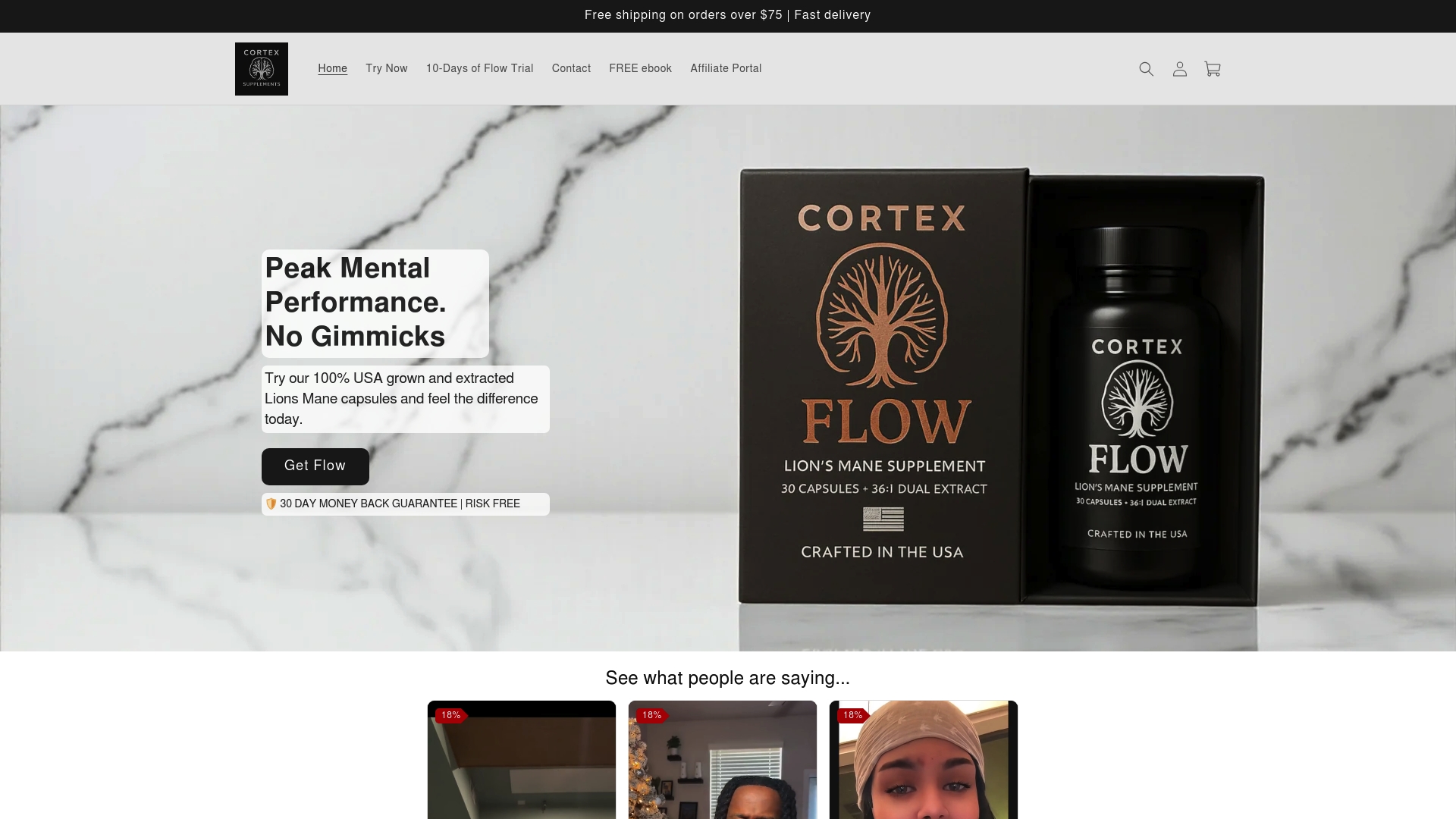
Experience the cognitive support Texas moms deserve. Visit https://cortexsupplements.com today and take control of your brain health with a trusted, high-quality Lion’s Mane supplement designed specifically for your lifestyle and needs.
Frequently Asked Questions
What are the main benefits of Lion’s Mane supplements for mothers?
Lion’s Mane supplements may enhance cognitive function by promoting nerve growth factor (NGF) production, leading to improved memory recall, concentration, and mental clarity, which are essential for mothers managing busy schedules.
How long does it take to see the effects of Lion’s Mane?
Most users notice improvements within 2-4 weeks of consistent use, with peak benefits typically observed around 8-12 weeks, as the body builds new neural connections.
Are there any risks associated with taking Lion’s Mane supplements?
While Lion’s Mane is generally considered safe, it’s crucial for mothers to consult healthcare providers before starting any supplement, especially during pregnancy or breastfeeding, to avoid potential interactions with other medications or supplements.
What is more important: natural or synthetic forms of Lion’s Mane?
The distinction between natural and synthetic forms is less significant than the supplement’s bioavailability and quality. High-quality extracts, whether natural or synthetic, should be prioritized for optimal absorption and benefits.
Recommended
- Lions Mane and Alzheimer’s: Natural Support Explained – Cortex Supplements
- Lion’s Mane Trends 2026: Smarter Brain Support Moves Mainstream – Cortex Supplements
- Lion’s Mane Terminology: Cognitive Focus Essentials – Cortex Supplements
- Lion’s Mane vs Adaptogens: Cognitive Benefits Explained – Cortex Supplements
