

About one in four adults over 50 in the United States use brain supplements despite lack of FDA approval for effectiveness. This puzzling consumer behavior raises important questions about what nootropics actually are and whether they deliver on promises of sharper memory and better focus. This article cuts through marketing hype to explain how nootropics work, what science says about popular options like lion’s mane mushroom extract, and how to make informed decisions about cognitive enhancement supplements.
Table of Contents
- Introduction To Nootropics And Brain Health
- Mechanisms Of Action For Nootropics In Brain Health
- Clinical Evidence And Trial Outcomes
- Safety, Regulation, And Quality Control
- Common Misconceptions About Nootropics Efficacy
- Comparison Of Natural Nootropics And Synthetic Cognitive Enhancers
- Role Of Diet And Lifestyle Vs Supplements
- Practical Guidance For Selecting And Using Lion’s Mane Supplements
- Explore Top Lion’s Mane Supplements At Cortex Supplements
- Frequently Asked Questions About Nootropics And Lion’s Mane Mushroom
Key takeaways
| Point | Details |
|---|---|
| Nootropics boost brain health mainly through neurogenesis and anti-inflammatory pathways | Lion’s mane stimulates nerve growth factor synthesis to support neuron development and survival. |
| Clinical evidence shows promise but remains inconclusive for healthy adults | Studies report modest cognitive improvements in early impairment cases after 8-12 weeks of supplementation. |
| Supplement quality varies widely due to lack of FDA efficacy regulation | Many products contain undisclosed synthetic compounds or inconsistent dosing that pose safety risks. |
| Common myths include expectations of instant effects and universal FDA approval | Natural nootropics like lion’s mane require weeks to show benefits and are not FDA approved for efficacy. |
| Choosing quality supplements requires attention to extraction ratios and sourcing | Look for 36:1 fruiting body extracts from transparent US producers with third party testing verification. |
Introduction to nootropics and brain health
Nootropics are substances that enhance cognitive function, including memory, focus, creativity, and motivation. They fall into three main categories: natural supplements derived from plants and fungi, pharmaceutical drugs approved for specific medical conditions, and unapproved synthetic compounds with uncertain safety profiles. The natural category includes herbal extracts, amino acids, and medicinal mushrooms that have been used in traditional medicine for centuries.
The US market for brain health supplements has grown dramatically over the past decade. Consumers spend billions annually on products promising sharper thinking and protection against cognitive decline. This surge reflects aging baby boomers concerned about memory loss, younger adults seeking competitive edges in demanding careers, and widespread interest in biohacking and self optimization.
Lion’s mane mushroom extract stands out as one of the most popular natural nootropics. This distinctive white fungus with cascading spines has been used in traditional Chinese medicine for generations. Modern research focuses on compounds called hericenones and erinacines found in lion’s mane that may stimulate brain cell growth. Scientific interest centers on whether these mushroom extracts can meaningfully support cognitive function and protect against age related decline.
Key natural nootropics gaining consumer attention include:
- Lion’s mane mushroom for potential neurogenesis support
- Bacopa monnieri for memory enhancement in traditional Ayurvedic practice
- Ginkgo biloba for blood flow and antioxidant properties
- Rhodiola rosea for stress adaptation and mental stamina
- Ashwagandha for anxiety reduction and cognitive support
Mechanisms of action for nootropics in brain health
Neurogenesis refers to the birth and development of new neurons in the brain, while synaptic plasticity describes how connections between neurons strengthen or weaken over time. Both processes are crucial for learning, memory formation, and cognitive flexibility throughout life. Declining neurogenesis and reduced plasticity correlate with age related cognitive impairment and neurodegenerative conditions.

Lion’s mane mushroom extract promotes neurogenesis and neuronal health by stimulating nerve growth factor (NGF) synthesis and supporting synaptic plasticity. NGF acts as a protein signal that guides neuron survival, growth, and differentiation. Higher NGF levels mean better maintenance of existing brain cells and improved capacity to form new neural pathways. The hericenones and erinacines in lion’s mane appear to cross the blood brain barrier and trigger increased NGF production.
Brain derived neurotrophic factor (BDNF) works similarly to NGF, supporting neuronal survival and promoting the growth of new neurons and synapses. Natural nootropics may increase BDNF levels, supporting neuronal health and cognitive function. Higher BDNF correlates with better memory performance, learning capacity, and resilience against stress induced cognitive decline. Exercise and certain dietary patterns also boost BDNF, suggesting multiple pathways to support this critical brain protein.
Anti-inflammatory and antioxidant properties protect brain cells from damage caused by chronic inflammation and oxidative stress. Lion’s mane contains polysaccharides and other bioactive compounds that may reduce inflammatory markers and neutralize free radicals. This protective effect could slow the progression of cognitive decline and maintain healthier brain tissue over time.
Key mechanisms supporting brain health:
- Stimulation of NGF and BDNF synthesis for neuron growth
- Enhanced synaptic plasticity for learning and memory
- Reduction of neuroinflammation that damages brain tissue
- Antioxidant protection against oxidative stress
- Support for myelin sheath maintenance around nerve fibers
Pro Tip: Neurogenic effects from lion’s mane neurogenesis typically require consistent daily intake for several weeks before noticeable cognitive changes emerge, so patience and regular dosing matter more than expecting immediate results.
Clinical evidence and trial outcomes
Human clinical trials on lion’s mane and similar natural nootropics typically focus on older adults with mild cognitive impairment rather than healthy young populations. Study designs usually involve daily supplementation for 8 to 16 weeks with cognitive testing at baseline and endpoint. Researchers measure outcomes like memory recall, attention span, processing speed, and subjective reports of mental clarity.
Clinical trials show mixed but encouraging outcomes for lion’s mane supplementation improving cognitive function in early stage cognitive impairment over 8 to 12 weeks. Some studies report statistically significant improvements in memory scores and cognitive test performance compared to placebo groups. Effect sizes tend to be modest, with participants showing gradual rather than dramatic gains. Self reported measures of focus and mental energy often show more positive results than objective testing.
The evidence base remains preliminary due to small sample sizes, short study durations, and lack of data on healthy adults seeking cognitive enhancement. Most published trials involve fewer than 100 participants and run for just two to three months. Long term safety data beyond one year is largely absent. Healthy younger adults looking for nootropics to boost already normal cognition have little direct scientific support for their use.
Pharmaceutical nootropics prescribed for conditions like ADHD and narcolepsy have much stronger clinical evidence from large scale trials. Medications like modafinil and methylphenidate show clear cognitive effects in rigorous studies. However, these drugs carry risks of side effects, dependency, and require medical supervision. Natural supplements offer gentler approaches with fewer adverse effects but weaker and less consistent benefits.
Research gaps requiring further investigation:
- Large scale trials with diverse populations including healthy adults
- Longer study durations tracking effects beyond six months
- Head to head comparisons of different nootropic compounds
- Optimal dosing protocols and formulation methods
- Interactions with medications and other supplements
For practical guidance on evidence based supplementation, explore our clinical guide to lion’s mane covering dosing, timing, and what to expect from consistent use.
Safety, regulation, and quality control
The FDA does not regulate nootropic supplements like lion’s mane extract for effectiveness, leading to wide variability in product quality and safety. Supplements fall under the Dietary Supplement Health and Education Act of 1994, which requires manufacturers to ensure safety but does not mandate pre market approval for efficacy claims. This regulatory gap means companies can sell brain health products without proving they actually work.
Investigations have found many brain health supplements contain unapproved or potentially unsafe synthetic nootropics not disclosed on labels, posing health risks. Products marketed as natural sometimes include pharmaceutical compounds like vinpocetine, piracetam, or phenibut that are banned or controlled in various countries. These undisclosed ingredients can cause serious side effects and interact dangerously with medications.
Quality control issues extend beyond hidden ingredients to include inconsistent dosing, contamination with heavy metals or pesticides, and use of inferior plant parts instead of active compounds. Some manufacturers use mycelium grown on grain rather than pure fruiting bodies, resulting in products diluted with starch. Extraction methods vary widely, producing extracts with vastly different concentrations of active compounds even when labels claim similar strengths.
Consumers should seek brands that provide transparency through third party testing, clear sourcing information, and detailed certificates of analysis. Reputable companies publish lab results verifying ingredient identity, purity levels, and absence of contaminants. US based manufacturers following Good Manufacturing Practices offer better quality assurance than unknown overseas sources.
Approximately 25% of adults over 50 take brain supplements despite lack of FDA efficacy approval, highlighting the disconnect between consumer demand and regulatory oversight in the cognitive enhancement market.
Red flags indicating questionable supplement quality:
- Vague labeling without specific extraction ratios or active compounds
- Proprietary blends hiding individual ingredient amounts
- Absence of third party testing documentation
- Unrealistic claims of instant or dramatic cognitive improvements
- Extremely low prices suggesting inferior ingredients or dilution
Common misconceptions about nootropics efficacy
Many consumers mistakenly believe that nootropic supplements undergo the same FDA approval process as pharmaceutical drugs. In reality, FDA approval applies only to drugs, not supplements. The FDA can intervene if supplements prove unsafe or contain illegal ingredients, but does not evaluate whether they work as advertised before they reach store shelves. This fundamental misunderstanding leads people to assume government backing that does not exist.
Another widespread myth suggests lion’s mane and similar natural nootropics deliver immediate cognitive boosts similar to caffeine or prescription stimulants. Common misconceptions include beliefs that lion’s mane mushroom offers rapid cognitive boosts, when in fact neurogenic effects typically develop gradually over weeks or months. Marketing that promises instant focus or memory improvements sets unrealistic expectations that lead to disappointment and wasted money.
The assumption that all synthetic nootropics are inherently dangerous while natural ones are completely safe oversimplifies a complex reality. Some synthetic compounds like modafinil are FDA approved prescription drugs with established safety profiles when used appropriately. Meanwhile, natural does not automatically mean safe. Certain herbs can cause liver damage, interact with medications, or trigger allergic reactions. Both categories require careful evaluation based on evidence rather than origin.
Information transparency and critical evaluation of marketing claims are essential skills for navigating the nootropics market. Flashy advertising often exploits cognitive biases and scientific sounding language without substantive evidence. Learning to identify red flags like proprietary blends, testimonials replacing data, and before and after claims protects consumers from ineffective or potentially harmful products.
Key misconceptions to avoid:
- Believing FDA approval extends to all brain health supplements
- Expecting immediate noticeable effects from natural nootropics
- Assuming synthetic compounds are always more dangerous than natural ones
- Trusting marketing claims without demanding scientific evidence
- Thinking higher doses always produce better results
Pro Tip: Avoid impulse purchases based on aggressive marketing that promises instant brain transformation. Instead, research specific ingredients, check for clinical studies, and start with established compounds that have safety track records.
Comparison of natural nootropics and synthetic cognitive enhancers
Pharmaceutical nootropics include prescription medications like donepezil for Alzheimer’s disease, modafinil for narcolepsy, and stimulants for ADHD. These drugs undergo rigorous FDA approval processes with extensive clinical trials demonstrating efficacy for specific medical conditions. They produce measurable cognitive effects but carry risks of side effects ranging from mild headaches and insomnia to serious cardiovascular issues. Medical supervision is required, and they are not legally available for off label cognitive enhancement in healthy individuals.
Natural nootropics encompass plant extracts, mushrooms, amino acids, and nutrients that support brain function through gentler mechanisms. Lion’s mane, Bacopa monnieri, and ginkgo biloba have centuries of traditional use and growing modern research support. They are generally recognized as safe with minimal side effects when taken at recommended doses. Benefits tend to be subtler and slower to manifest compared to pharmaceutical options, requiring consistent use over weeks or months.
Synthetic unapproved nootropics represent a risky category of compounds like racetams, phenibut, and novel stimulants that lack regulatory approval in the US. These substances are often sold online as research chemicals with minimal safety testing and unknown long term effects. Quality control is nonexistent, legal status is uncertain, and potential for harm is significant. No reputable health professional recommends their use outside of legitimate clinical research settings.
Caffeine combined with L-theanine can improve alertness and memory consolidation, serving as the most studied natural cognitive enhancer with robust evidence. This combination provides the stimulating effects of caffeine while L-theanine smooths out jitters and promotes calm focus. Many people already consume this pairing unknowingly through green tea, which naturally contains both compounds.
| Nootropic Type | Efficacy Evidence | Safety Profile | Regulatory Status | Typical Use Case |
|---|---|---|---|---|
| Pharmaceutical drugs | Strong clinical trial data | Potential significant side effects | FDA approved for medical conditions | Treatment of diagnosed cognitive disorders |
| Natural supplements | Moderate preliminary evidence | Generally safe with minimal side effects | Not FDA regulated for efficacy | General cognitive support and wellness |
| Synthetic unapproved | Minimal or absent human data | Unknown risks and quality concerns | Unregulated or banned substances | Not recommended outside research |
| Caffeine + L-theanine | Robust supporting research | Safe at normal doses | Widely available and legal | Acute focus and alertness boost |
Pros and cons summary:
- Pharmaceutical: Proven effective but requires prescription and medical monitoring
- Natural: Safer and accessible but effects are modest and slower
- Synthetic unapproved: Potentially powerful but dangerous due to lack of safety data
- Caffeine/L-theanine: Well studied and effective for short term focus without major risks
Role of diet and lifestyle vs supplements
Dietary patterns such as Mediterranean and MIND diets rich in brain healthy nutrients correlate with slower cognitive decline and support brain health better than isolated supplements. The Mediterranean diet emphasizes olive oil, fish, vegetables, fruits, nuts, and whole grains while limiting red meat and processed foods. The MIND diet specifically targets brain health by combining Mediterranean and DASH diet principles with emphasis on berries, leafy greens, and fish.
Berries, particularly blueberries and strawberries, contain flavonoids that protect neurons from oxidative damage and may enhance memory formation. Studies show regular berry consumption associates with slower rates of cognitive decline in older adults. Leafy green vegetables provide folate, vitamin K, and antioxidants that support brain cell health. Fatty fish supply omega-3 fatty acids essential for neuronal membrane structure and anti-inflammatory effects.
Physical exercise stands out as one of the most powerful interventions for brain health across the lifespan. Aerobic activity increases blood flow to the brain, stimulates BDNF production, promotes neurogenesis in the hippocampus, and reduces inflammation. Even moderate regular walking shows measurable cognitive benefits. Exercise effects often exceed what supplements can deliver, yet many people overlook this free and proven brain booster.
Nootropic supplements should be viewed as potential adjuncts to, not replacements for, foundational lifestyle factors. No pill can compensate for poor sleep, chronic stress, sedentary behavior, and nutritional deficiencies. A person who sleeps four hours nightly while eating processed foods will not achieve optimal cognition by adding lion’s mane. The most effective approach combines evidence based supplements with lifestyle optimization.
Synergistic factors for comprehensive brain health:
- Nutrient dense whole food diet rich in antioxidants and healthy fats
- Regular aerobic and resistance exercise promoting blood flow and BDNF
- Consistent quality sleep for memory consolidation and brain detoxification
- Stress management through meditation, nature exposure, or therapy
- Strategic supplementation with well researched compounds like lion’s mane
Practical guidance for selecting and using lion’s mane supplements
Extraction method and source material fundamentally determine lion’s mane supplement quality and potency. Dual extraction using both water and alcohol isolates different beneficial compounds, while freeze drying preserves delicate bioactive molecules. A 36:1 extraction ratio means 36 pounds of raw mushroom fruiting bodies concentrate into one pound of extract, delivering much higher levels of active compounds than whole mushroom powder.
Clinical trials showing cognitive benefits typically use doses ranging from 500 to 3000 mg daily of concentrated extract taken consistently for 8 to 12 weeks minimum. Effects accumulate gradually, so sporadic use will not produce meaningful results. Most products recommend split dosing, taking capsules with morning and afternoon meals to maintain steady levels throughout the day.
Reputable US based producers who grow their own mushrooms offer better quality control and transparency than imported products with unclear origins. Domestic cultivation under controlled conditions reduces contamination risks from pesticides, heavy metals, and environmental pollutants. Companies that publish detailed sourcing information and third party lab results demonstrate commitment to quality over profit margins.
Evaluating supplement labels requires attention to specific details that separate premium products from inferior alternatives. Look for clear statements about fruiting body content versus mycelium, explicit extraction ratios, standardized amounts of beta glucans or other active compounds, and absence of fillers like rice flour or maltodextrin.
Step by step selection process:
- Check extraction ratio and confirm 36:1 or higher concentration for maximum potency
- Verify 100% fruiting body source rather than mycelium on grain substrate
- Review third party lab testing for purity, active compounds, and contaminant absence
- Follow clinical dosing guidance of 500 to 1500 mg daily for at least 8 weeks
- Monitor subjective effects through journaling focus, memory, and mood changes
For detailed comparison of extraction quality, read our guide on choosing potent lion’s mane extracts explaining why concentration ratios matter. Understanding lion’s mane intake methods helps optimize absorption and consistency. Our comprehensive lion’s mane supplement guide covers everything from mechanisms to realistic expectations.
Pro Tip: Avoid products with vague labels claiming “proprietary blends” or listing lion’s mane without specifying extract concentration. These red flags indicate low quality products designed to maximize profit while minimizing active ingredients.
Explore top lion’s mane supplements at Cortex Supplements
If you’re ready to try a premium lion’s mane supplement backed by quality sourcing and potent extraction, Cortex Supplements offers exactly what informed consumers should demand. Our Cortex Flow product uses a 36:1 extraction ratio from 100% fruiting bodies we grow ourselves in the United States, ensuring maximum concentration of beneficial compounds without fillers or additives.
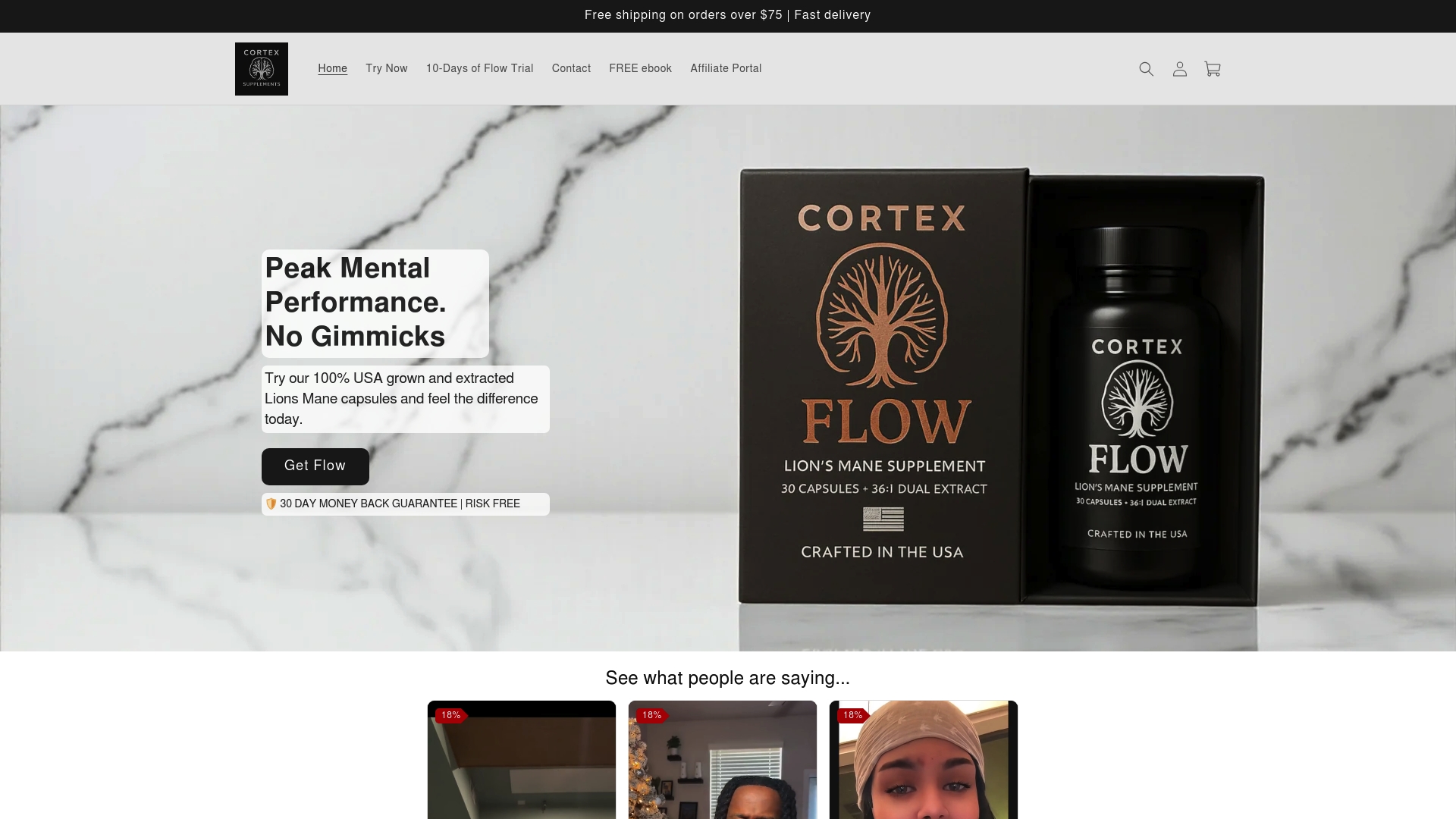
We’re a Texas based company committed to transparency about our cultivation and extraction processes. Each bottle contains 30 capsules of freeze dried lion’s mane extract delivering the potency levels used in clinical research. Learn more about why extraction potency matters and explore Cortex Flow to support your brain health goals with a supplement you can trust.
Frequently asked questions about nootropics and lion’s mane mushroom
What are nootropics and how do they support brain health?
Nootropics are substances that enhance cognitive function through mechanisms like promoting neurogenesis, increasing neurotransmitter activity, reducing inflammation, and protecting neurons from oxidative damage. Natural nootropics like lion’s mane mushroom work by stimulating nerve growth factor synthesis, which supports the growth and maintenance of brain cells over time.
How long does it take for lion’s mane to show cognitive benefits?
Lion’s mane typically requires consistent daily supplementation for 8 to 12 weeks before noticeable cognitive improvements emerge. The neurogenic and neuroprotective effects build gradually as nerve growth factors accumulate and support new neural pathway formation. Expecting immediate results leads to disappointment, since natural nootropics work through biological processes that take time.
Are natural nootropics like lion’s mane safe for daily use?
Lion’s mane mushroom extract is generally recognized as safe with minimal side effects when taken at recommended doses for extended periods. Clinical trials report few adverse events, with occasional mild digestive discomfort being the most common complaint. However, quality varies widely between products, so choosing supplements from reputable manufacturers with third party testing is essential for safety.
Can diet alone replace the need for brain supplements?
A nutrient rich diet following Mediterranean or MIND patterns provides powerful brain health benefits that often exceed what supplements alone can deliver. Whole foods supply synergistic combinations of vitamins, minerals, antioxidants, and healthy fats that isolated supplements cannot replicate. Nootropics work best as adjuncts to, not replacements for, a foundation of healthy eating, regular exercise, quality sleep, and stress management.
What should I look for when buying lion’s mane supplements?
Prioritize products using 36:1 extraction ratios from 100% fruiting bodies rather than mycelium, verify US based sourcing with transparent cultivation practices, confirm third party testing for purity and active compound levels, and avoid proprietary blends or vague labeling. High quality supplements clearly state extraction methods, dosing recommendations based on clinical research, and provide certificates of analysis upon request.
Recommended
- Supplements for Professionals: Enhancing Focus and Clarity – Cortex Supplements
- Cognitive Health Checklist 2026: 90% Effective Screening Tools – Cortex Supplements
- What Is a Cognitive Enhancer and How It Boosts Focus – Cortex Supplements
- Cognitive Enhancement: Boosting Focus and Clarity Naturally – Cortex Supplements
- Role of Technology in Neuro Recovery Outcomes
