

Most mushroom supplements promise cognitive benefits but deliver grain fillers and minimal bioactive compounds. Fruiting body extracts offer a different story. These concentrates from the mushroom’s reproductive structure contain compounds that may enhance focus and mental clarity, making them increasingly popular among working professionals seeking natural ADHD symptom support. This guide explains what fruiting body extracts are, how they differ from common alternatives, and what science says about their cognitive benefits.
Table of Contents
- Understanding Fruiting Body Extract
- Fruiting Body Vs. Mycelium Extracts: What’s The Difference?
- Mechanisms Of Fruiting Body Extracts In Cognitive Function
- Fruiting Body Extracts And ADHD Symptom Support
- Common Misconceptions About Fruiting Body Extracts
- Choosing Quality Fruiting Body Extract Supplements
- Discover Quality Fruiting Body Extracts For Cognitive Support
- Frequently Asked Questions About Fruiting Body Extracts
Key takeaways
| Point | Details |
|---|---|
| Fruiting bodies contain concentrated bioactives | The visible mushroom part accumulates higher levels of compounds like beta-glucans and hericenones compared to underground mycelium. |
| Extraction method determines potency | Hot water and freeze-dried extracts with high ratios (like 36:1) deliver more bioavailable compounds than raw mushrooms. |
| Mycelium products often include fillers | Many supplements labeled as mushroom extracts contain mycelium grown on grain, diluting active compound concentration. |
| Scientific evidence is promising but limited | Studies show potential for improved focus and neuroplasticity, though more clinical trials specific to ADHD are needed. |
| Quality verification matters | Look for 100% fruiting body content, third-party testing, and transparent extraction ratios when choosing supplements. |
Understanding fruiting body extract
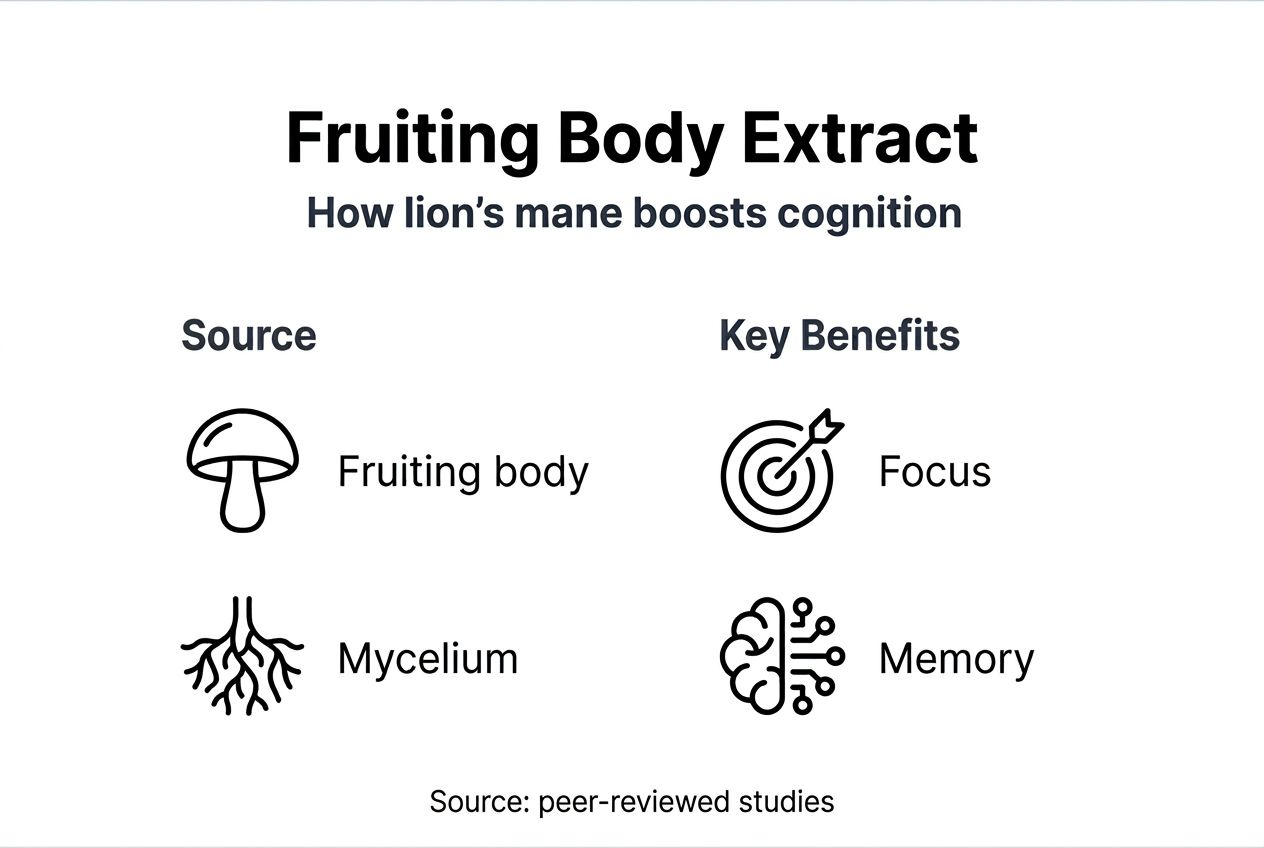
A mushroom fruiting body is the visible reproductive structure that emerges above ground, distinct from the mycelium network that spreads underground. This is the part you see at the grocery store or in the forest. The fruiting body’s biological role centers on spore production and dispersal, which requires concentrating nutrients and protective compounds.
These structures accumulate bioactive compounds at higher densities than other fungal parts. Traditional medicinal practices across Asia have focused on fruiting bodies for centuries, recognizing their therapeutic value. Modern extraction concentrates these compounds further, creating supplements with measurable cognitive effects.
Fruiting body extracts focus on this part for several reasons:
- Higher beta-glucan concentrations that support immune function and brain health
- Presence of nootropic compounds like hericenones found primarily in fruiting bodies
- Lower contamination risk compared to mycelium grown on grain substrates
- Historical validation through traditional medicine systems
Lion’s mane stands out among cognitive support mushrooms. Its shaggy white appearance contains compounds specifically linked to nerve growth factor production, making it a primary choice for professionals seeking mental clarity.
Fruiting body vs. mycelium extracts: what’s the difference?
Mycelium forms the underground network of thread-like structures that absorb nutrients. Supplement manufacturers often grow mycelium on grain substrates like rice or oats in controlled environments. This process creates faster production cycles but introduces quality concerns.

The grain substrate becomes inseparable from mycelium during harvest. Many products marketed as mushroom supplements contain significant grain content, reducing the concentration of beneficial compounds. Lab analyses frequently reveal beta-glucan levels well below what pure fruiting body extracts provide.
Hericenones and related cognitive compounds concentrate in fruiting bodies at much higher levels. Studies measuring compound content show fruiting bodies contain 3-5 times more bioactive molecules per gram compared to mycelium products.
| Feature | Fruiting Body Extract | Mycelium Extract |
|---|---|---|
| Beta-glucan content | 30-50% typical | 5-15% typical |
| Grain contamination | None if properly processed | Often 40-70% of product |
| Cognitive compounds | High hericenone concentration | Minimal hericenones |
| Extraction method | Hot water or dual extraction | Often minimal processing |
| Price per active compound | Higher upfront, better value | Lower cost, less potency |
Pro Tip: Check supplement facts panels for “100% fruiting body” language and extraction ratios like 10:1 or higher. Products listing “mushroom mycelium” or “myceliated grain” indicate lower quality formulations that may not deliver promised cognitive benefits.
Mechanisms of fruiting body extracts in cognitive function
Lion’s mane fruiting body contains compounds such as hericenones and erinacines that trigger biological pathways supporting brain health. These molecules cross the blood-brain barrier and stimulate nerve growth factor (NGF) synthesis, a protein critical for neuron survival and function.
Neuroplasticity describes your brain’s ability to form new neural connections and adapt to learning. Hericenones enhance this process by promoting neuron growth and strengthening synaptic connections. This mechanism differs from stimulants that temporarily boost neurotransmitter activity without supporting long-term brain structure.
The compounds work through multiple pathways:
- Stimulating NGF production in the hippocampus and prefrontal cortex
- Reducing oxidative stress that damages neurons over time
- Supporting myelin sheath health for faster signal transmission
- Modulating acetylcholine levels tied to memory and attention
Synthetic nootropics often target single neurotransmitter systems, creating rapid effects but potential side effects. Fruiting body compounds offer broader support with lower risk profiles. The trade-off involves slower onset and subtler immediate effects.
Pro Tip: Cognitive benefits typically require consistent daily supplementation for 4-8 weeks before becoming noticeable. Your brain needs time to build new neural connections and repair existing damage, so patience with natural approaches pays off.
Fruiting body extracts and ADHD symptom support
A 2023 Cochrane review found low-certainty evidence that some natural supplements might modestly improve ADHD symptoms but highlighted limited conclusive evidence for mushroom extracts specifically. The review calls for more rigorous clinical trials examining dosing, timing, and individual response variations.
Current research shows promise without definitive proof. Small studies report improvements in attention span and working memory among participants taking lion’s mane extracts. However, these studies often lack the sample sizes and controls needed for strong clinical recommendations.
Fruiting body extracts work best as complementary support alongside conventional ADHD management strategies. They should not replace prescribed medications without medical guidance. Many working professionals report better results combining extracts with behavioral strategies and medication optimization.
Potential benefits reported in preliminary research and user accounts include:
- Reduced mental fog during afternoon energy dips
- Improved ability to maintain focus on complex tasks
- Better recall of details from meetings and conversations
- Less cognitive fatigue after intense concentration periods
While natural supplements show promise for cognitive support, they remain understudied for ADHD specifically. Current evidence suggests potential benefits but cannot replace proven treatments. Always consult healthcare providers before adding supplements to ADHD management plans.
Professionals exploring lion’s mane for ADHD focus find varying individual responses. Some notice significant clarity improvements within weeks, while others experience minimal changes. Genetic factors, diet quality, stress levels, and sleep patterns all influence supplement effectiveness.
Common misconceptions about fruiting body extracts
Many consumers assume all mushroom supplements offer equivalent benefits. Marketing language deliberately blurs distinctions between product types, leading to confusion and disappointment. Understanding these misconceptions helps you avoid ineffective products.
The mycelium versus fruiting body confusion tops the list. Products containing “mushroom mycelium biomass” sound impressive but often deliver mostly grain starches. Some manufacturers argue mycelium offers unique benefits, but evidence for cognitive support strongly favors fruiting body compounds.
Species specificity matters more than general “mushroom supplement” claims. While reishi supports immune function and cordyceps may boost energy, lion’s mane specifically shows cognitive enhancement properties. Blends mixing multiple species dilute the effective dose of any single mushroom.
Raw mushroom powder cannot match extract potency. Tough chitin cell walls in mushrooms prevent digestive enzymes from accessing internal compounds. Extraction processes break down these walls, making bioactive molecules absorbable. Eating whole lion’s mane mushrooms provides some benefit but far less than properly extracted supplements.
Common misleading marketing tactics include:
- Listing high milligram counts without specifying extraction ratios
- Using vague terms like “mushroom blend” to hide mycelium content
- Showing mushroom images while selling mycelium products
- Claiming equivalent benefits across all fungal parts
- Omitting third-party testing results or beta-glucan content
Reputable brands provide certificates of analysis showing actual compound levels. They clearly state fruiting body percentages and extraction methods used. Transparency indicates quality, while vague marketing suggests problems being hidden.
Choosing quality fruiting body extract supplements
Evaluating mushroom supplements requires checking multiple quality markers. The following steps help identify products that deliver promised cognitive benefits:
- Verify 100% fruiting body content on the supplement facts panel
- Check for extraction ratio information (10:1, 20:1, or higher)
- Look for beta-glucan content percentages (should exceed 25%)
- Confirm third-party testing for heavy metals and contaminants
- Research the company’s cultivation and sourcing practices
- Review extraction method details (hot water or dual extraction preferred)
- Compare price per serving against verified compound content
Extraction methods significantly impact bioavailability. Hot water extraction breaks down chitin walls and concentrates water-soluble compounds like beta-glucans. Alcohol extraction captures different compound classes. Dual extraction combines both for comprehensive compound profiles.
Freeze-drying preserves delicate compounds that heat processing might damage. The process removes water while maintaining molecular structure, creating stable powders suitable for capsule formulations. This method costs more but delivers superior quality.
| Supplement Type | Extraction Ratio | Typical Beta-Glucan % | Processing Method |
|---|---|---|---|
| Raw mushroom powder | 1:1 (none) | 15-20% | Simple grinding |
| Basic extract | 4:1 to 8:1 | 20-30% | Hot water |
| Premium extract | 10:1 to 20:1 | 30-40% | Dual extraction |
| Ultra-concentrated | 30:1 to 40:1 | 40-50% | Advanced dual extraction + freeze-dry |
Third-party testing protects against contamination and verifies marketing claims. Certificates of analysis from independent labs should confirm compound levels, test for heavy metals, and screen for microbial contamination. Companies hiding this information likely have quality issues.
Understanding lion’s mane fruiting body benefits helps you evaluate whether products match your cognitive support needs. Consider factors like capsule convenience, dosing flexibility, and company reputation when making final selections.
Working professionals benefit from choosing lion’s mane supplements that fit daily routines. Morning dosing supports all-day focus, while consistent timing helps maintain stable compound levels. Quality matters more than quantity when choosing lion’s mane extract formulations.
Discover quality fruiting body extracts for cognitive support
Cortex Supplements offers high-potency lion’s mane extracts specifically formulated for working professionals seeking mental clarity. Our Cortex Flow capsules contain 100% fruiting body extract at a 36:1 concentration ratio, delivering maximum bioactive compounds per serving.
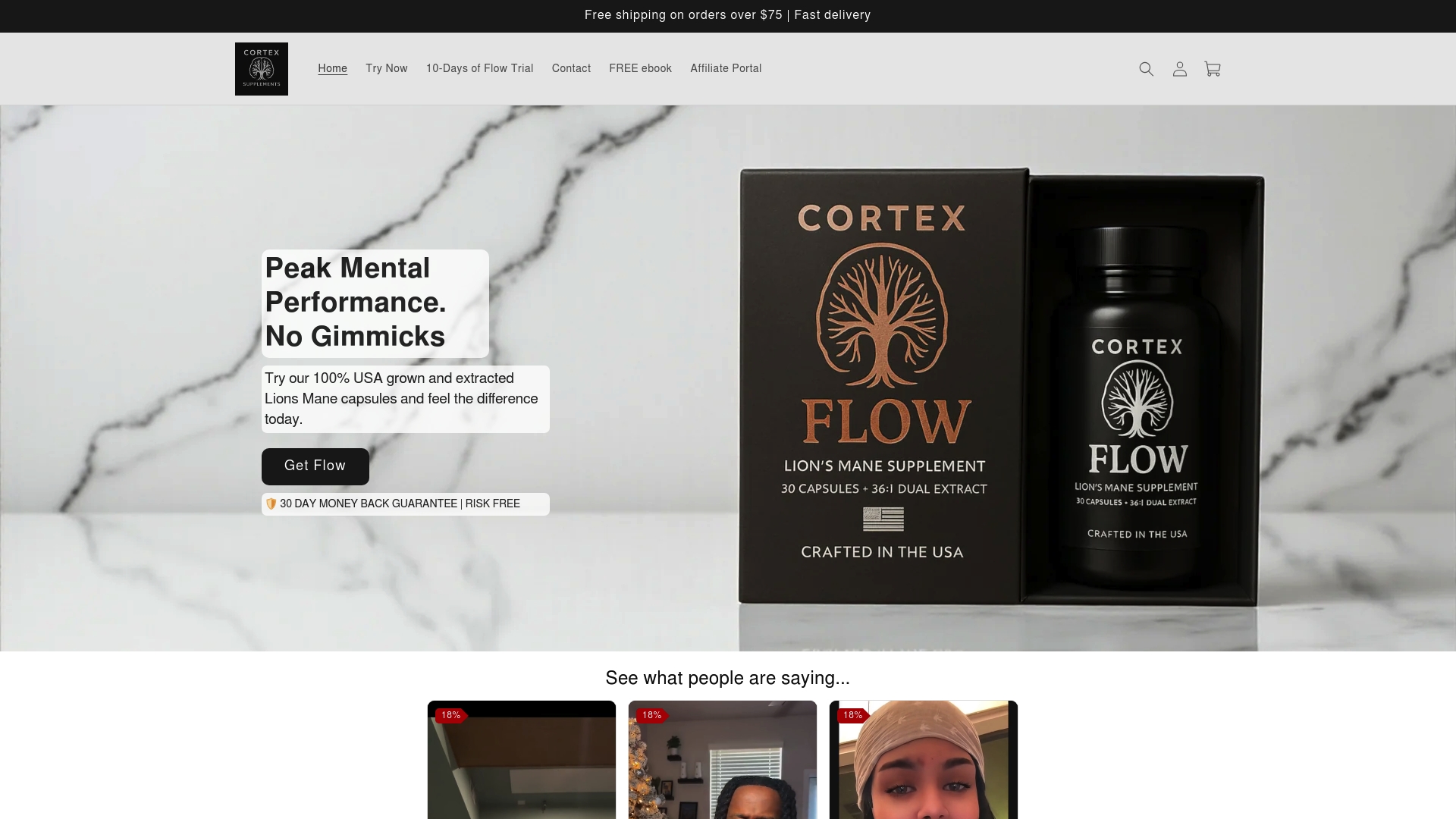
We grow our lion’s mane mushrooms in controlled environments here in the United States, ensuring quality from cultivation through final encapsulation. Each batch undergoes third-party testing for purity and potency. Freeze-dried extraction preserves delicate cognitive compounds while creating convenient daily capsules.
Pro Tip: Sustainable cognitive support comes from supplements that match your lifestyle and quality standards. Choosing verified fruiting body extracts from transparent companies helps you avoid the grain-filled products flooding the market.
Explore our product line to find formulations that support your focus and mental clarity goals. We provide detailed extraction information and testing results so you can make informed decisions about your cognitive health.
Frequently asked questions about fruiting body extracts
What is the difference between fruiting body and mycelium extracts?
Fruiting body extracts come from the visible mushroom structure above ground and contain concentrated bioactive compounds like hericenones and beta-glucans. Mycelium extracts derive from the underground root network, often grown on grain substrates that dilute active compound content. Fruiting bodies typically provide 3-5 times higher concentrations of cognitive support compounds compared to mycelium products.
How long does it take to notice cognitive benefits from fruiting body extracts?
Most users report initial effects within 4-8 weeks of consistent daily supplementation. Your brain needs time to build new neural connections and repair existing damage through neuroplasticity mechanisms. Some people notice subtle improvements in mental clarity within 2-3 weeks, while others require 10-12 weeks for significant changes in focus and memory.
Are fruiting body extracts safe to take with ADHD medications?
Fruiting body extracts generally show good safety profiles with minimal drug interactions reported in studies. However, you should always consult your healthcare provider before combining supplements with prescription medications. Some compounds may influence neurotransmitter activity in ways that could theoretically affect medication effectiveness or side effects.
What does a 36:1 extraction ratio mean?
A 36:1 ratio means 36 pounds of raw fruiting body material concentrates into 1 pound of final extract powder. Higher ratios indicate more concentrated supplements with greater bioactive compound density per serving. This concentration process removes inert material while preserving and concentrating the molecules that support cognitive function.
Can fruiting body extracts improve focus and memory in healthy adults?
Preliminary research suggests fruiting body extracts may enhance cognitive performance in healthy individuals, not just those with diagnosed conditions. Studies show improvements in working memory, processing speed, and sustained attention tasks. Effects appear more pronounced in people experiencing age-related cognitive decline or high stress levels affecting mental clarity.
Recommended
- Lion’s Mane Fruiting Body: Cognitive Benefits Demystified – Cortex Supplements
- Lion’s Mane Guide: 70% Report Cognitive Gains in 8 Weeks – Cortex Supplements
- Lion’s Mane Terminology: Cognitive Focus Essentials – Cortex Supplements
- How to Choose Lion’s Mane: 36:1 Extract Boosts Focus – Cortex Supplements
- Polyphenol Booster - Brainwellness
