

You’ve probably heard about mushroom supplements for brain health, but most people overlook a crucial detail: not all mushroom parts are created equal. The fruiting body, that visible mushroom cap and stem you recognize, contains the most potent bioactive compounds for cognitive enhancement and immune support. Understanding what fruiting bodies are and why they matter helps you choose supplements that actually deliver results. This guide breaks down the biology, health benefits, and practical tips for selecting quality fruiting body extracts to support your mental clarity and overall wellness.
Table of Contents
- Key takeaways
- Understanding the fruiting body: biology and basics
- Fruiting body versus mycelium: which matters for health?
- Health benefits of mushroom fruiting bodies for cognitive enhancement
- Choosing and using fruiting body supplements effectively
- Explore Cortex supplements for cognitive flow
- Frequently asked questions
Key Takeaways
| Point | Details |
|---|---|
| Fruiting body potency | Fruiting bodies contain the most potent bioactive compounds for cognitive enhancement and immune support. |
| Fruiting body vs mycelium | Fruiting bodies have higher levels of beta glucans and triterpenes that support immune health and cognition, while mycelium provides complementary metabolites. |
| Extraction affects potency | Extraction methods and composition directly influence how potent a fruiting body supplement is. |
| Erinacines cross BBB | In Lion’s Mane, the mycelium produces erinacines that cross the blood brain barrier more readily than the hericenones from the fruiting body. |
| Combine with mycelium | Combining fruiting bodies with mycelium can optimize benefits for some mushrooms. |
Understanding the fruiting body: biology and basics
The fruiting body of a mushroom is the visible, above-ground reproductive structure responsible for producing and dispersing spores. Scientists call it a sporocarp or basidiocarp, depending on the fungal classification. When you picture a mushroom, you’re imagining the fruiting body, not the organism’s primary structure.
Think of the fruiting body as the apple on a tree. The tree itself represents the mycelium, an underground network of thread-like filaments called hyphae. The apple (fruiting body) appears temporarily to spread seeds (spores), then disappears once its job is done. It consists of cap, stalk, and spore-producing surfaces like gills or pores elevated for optimal dispersal.
Here are the main structural components:
- Cap (pileus): The umbrella-shaped top that protects spore-producing tissues and attracts animals for dispersal
- Stalk (stipe): The stem that elevates the cap for better spore distribution via wind or contact
- Gills or pores (hymenium): Thin plates or tubes under the cap where spores form and mature
- Veil remnants: Protective tissue fragments sometimes visible as rings or patches
The fruiting body emerges only when environmental conditions trigger reproduction. Temperature shifts, moisture levels, and nutrient availability signal the mycelium to invest energy into creating this temporary structure. Once spores release, the fruiting body breaks down, returning nutrients to the soil.
| Fruiting Body Part | Primary Function | Relevance to Supplements |
|---|---|---|
| Cap | Protects spore tissues | Contains concentrated beta-glucans and polysaccharides |
| Stalk | Structural support | Provides additional fiber and some bioactive compounds |
| Gills/Pores | Spore production | Houses highest concentration of medicinal compounds |
Pro Tip: When examining fruiting bodies in lion’s mane, look for the distinctive cascading spines instead of traditional gills. This unique structure signals authentic fruiting body material rather than myceliated grain.
The temporary nature of fruiting bodies creates challenges for commercial cultivation. Growers must carefully control humidity, light cycles, and air exchange to trigger consistent fruiting. This complexity partly explains why some supplement manufacturers take shortcuts using mycelium grown on grain, a faster and cheaper process that produces inferior products.
Fruiting body versus mycelium: which matters for health?
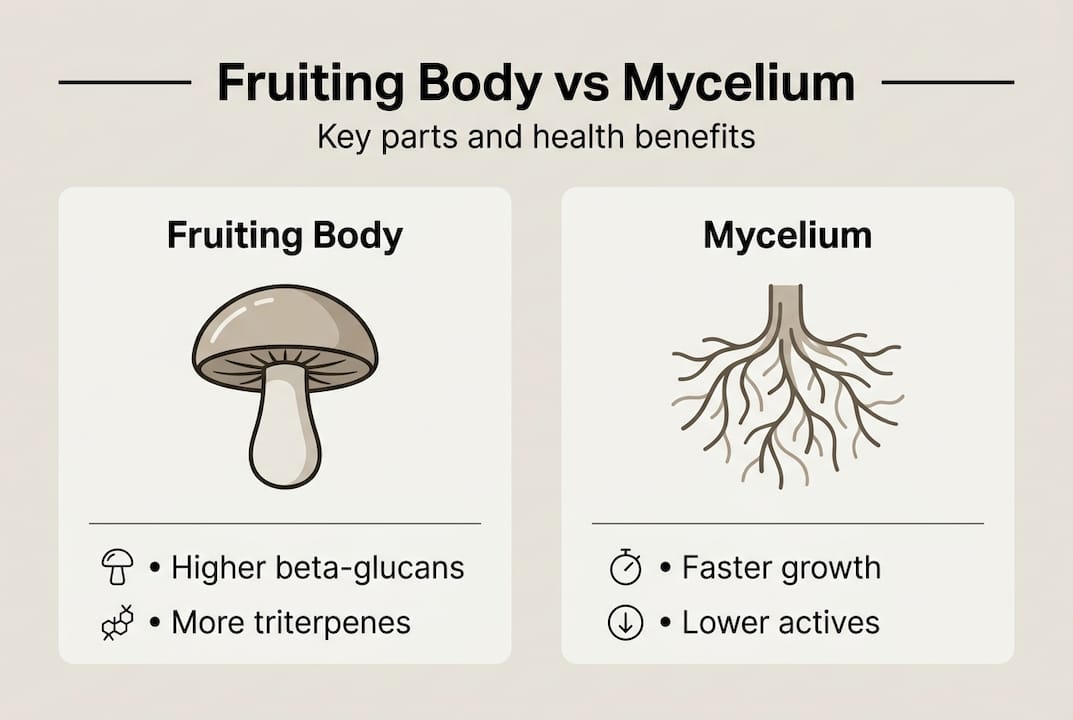
Mycelium forms the vegetative network of a fungus, spreading through soil or substrate to absorb nutrients. It’s the organism’s primary body, working year-round to gather resources. Fruiting bodies, by contrast, are temporary reproductive structures that emerge only when conditions favor spore dispersal. This fundamental biological difference translates directly into supplement quality.
Fruiting bodies contain more beta-glucans and triterpenes, key for immune and cognitive benefits, while mycelium provides complementary metabolites. Beta-glucans are complex polysaccharides that modulate immune function and support neuroprotection. Triterpenes, especially abundant in species like reishi and chaga, offer anti-inflammatory and antioxidant effects.
Here’s how they compare for supplement purposes:
| Factor | Fruiting Body | Mycelium |
|---|---|---|
| Beta-glucan content | 20-50% in quality extracts | 5-15% typically |
| Triterpene levels | High in medicinal species | Lower, variable |
| Hericenones (Lion’s Mane) | Concentrated in fruiting body | Minimal to absent |
| Erinacines (Lion’s Mane) | Present but lower | Higher concentration |
| Production cost | Higher due to cultivation complexity | Lower, faster growth on grain |
For most medicinal mushrooms, fruiting bodies deliver superior cognitive and immune benefits. However, Lion’s Mane presents an interesting exception. The mycelium produces erinacines, compounds that cross the blood-brain barrier more readily than hericenones from the fruiting body. Research suggests combining both parts optimizes nerve growth factor stimulation and overall brain support.
The supplement industry complicates this picture with “myceliated biomass” products. Avoid ‘myceliated biomass’ without testing as it may contain fillers or grain, reducing supplement quality. Manufacturers grow mycelium on sterilized grain, then grind everything together without separating the fungal tissue from the substrate. You end up paying for rice or oats with minimal active compounds.
Key indicators of low-quality myceliated products:
- No beta-glucan percentage listed on label
- “Mycelium” listed without “fruiting body” or “extract”
- Extremely low price compared to verified fruiting body products
- No Certificate of Analysis (COA) available
- Vague sourcing information
Pro Tip: Check the fruiting body extract guide to understand extraction ratios. A 10:1 extract means 10 pounds of raw fruiting bodies concentrated into 1 pound of powder, significantly increasing bioactive compound density.
When choosing lion’s mane supplements, look for products that specify 100% fruiting body or clearly state a combination of fruiting body and mycelium with transparent ratios. The best manufacturers provide third-party testing results showing exact beta-glucan and active compound percentages.
Health benefits of mushroom fruiting bodies for cognitive enhancement
Fruiting bodies pack concentrated levels of beta-glucans and species-specific compounds that directly support brain function. For Lion’s Mane specifically, hericenones in the fruiting body stimulate nerve growth factor (NGF) synthesis, a protein essential for neuron maintenance and growth. This mechanism underlies many cognitive benefits observed in clinical research.
Chronic Lion’s Mane fruiting body supplementation aids mild cognitive impairment, with task-specific acute effects in young adults. Studies document improvements in working memory, processing speed, and verbal fluency after 12 to 16 weeks of consistent use. Participants with age-related cognitive decline show the most pronounced benefits, though younger adults report enhanced focus during demanding mental tasks.
The cognitive enhancement pathway works through several mechanisms:
- NGF stimulation promotes new neuron growth and protects existing brain cells from oxidative damage
- Beta-glucans reduce neuroinflammation, a key factor in cognitive decline and neurodegenerative conditions
- Antioxidant compounds neutralize free radicals that damage mitochondria in brain cells
- Improved cerebral blood flow delivers more oxygen and nutrients to neural tissue
“The combination of neuroprotective and neurogenic properties makes fruiting body extracts uniquely valuable for long-term brain health maintenance, not just short-term cognitive enhancement.”
Choose fruiting body extracts verified to contain over 20% beta-glucans for consistent cognitive and immune support. This threshold ensures adequate bioactive compound concentration to produce measurable effects. Products below this level may still offer some benefit, but results become less predictable.
Practical supplement selection tips for cognitive benefits:
- Verify third-party testing for beta-glucan content and heavy metal screening
- Start with 500-1000mg daily of quality extract and adjust based on response
- Allow 4-8 weeks for noticeable cognitive improvements to develop
- Combine with other brain-healthy habits like quality sleep and regular exercise
- Look for products using hot water or dual extraction methods
Safety profiles for fruiting body supplements remain excellent across studies. Side effects are rare and typically limited to mild digestive upset when starting supplementation. Unlike synthetic nootropics, mushroom extracts work with your body’s natural processes rather than forcing artificial stimulation.
The appeal extends beyond efficacy to the natural origin and traditional use spanning centuries. Modern extraction technology now concentrates these time-tested compounds into convenient daily supplements. For those seeking lion’s mane cognitive benefits or exploring lion’s mane Alzheimer’s support, fruiting body extracts offer evidence-backed options worth considering.
Choosing and using fruiting body supplements effectively
Quality varies dramatically across mushroom supplements, making informed selection critical for achieving desired results. Three primary factors determine product effectiveness: source material, extraction method, and verified compound concentration.
Source material quality starts with cultivation practices. Mushrooms grown in controlled environments using organic substrates generally contain fewer contaminants than wild-harvested specimens. US-grown fruiting bodies often undergo stricter quality control than imported alternatives, though reputable international suppliers exist. Always verify the manufacturer specifies “fruiting body” rather than vague terms like “mushroom powder” or “full spectrum.”
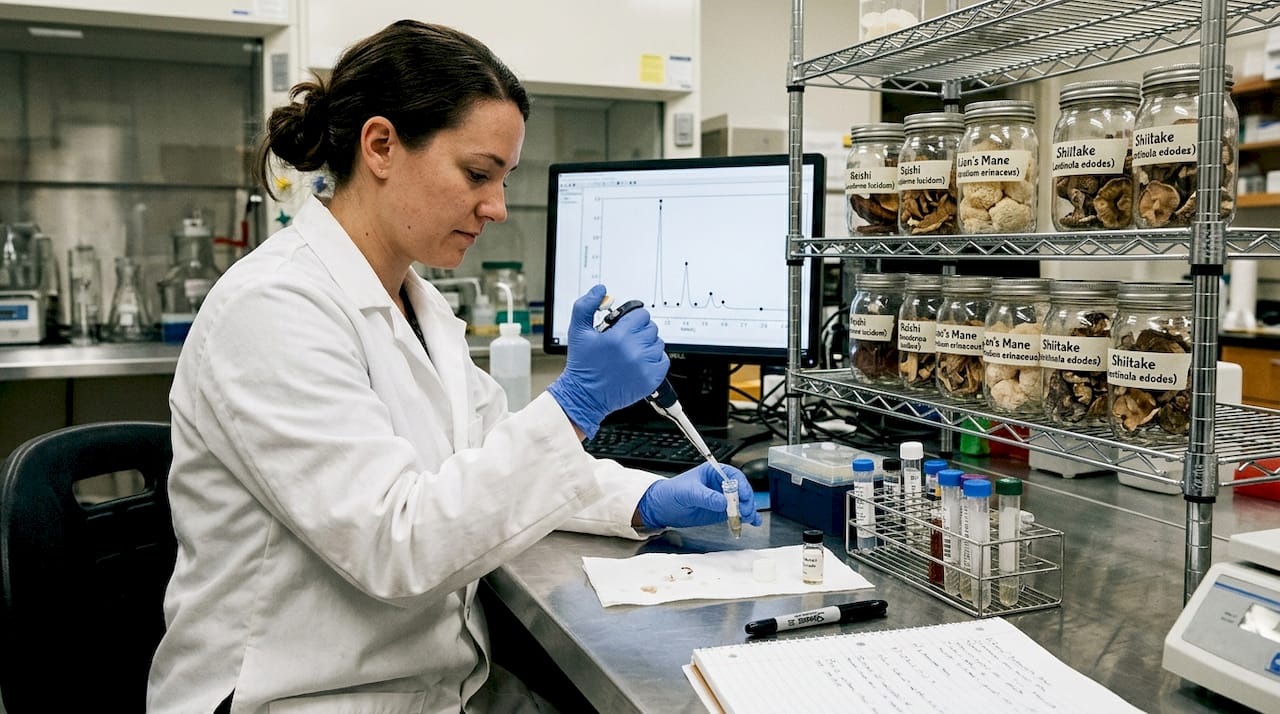
Extraction methods like hot-water or dual extraction are crucial for maximizing bioavailability of fruiting body compounds. Raw mushroom powder contains beneficial compounds locked inside chitin cell walls that human digestion cannot break down effectively. Hot water extraction releases polysaccharides and beta-glucans, while alcohol extraction captures triterpenes and other fat-soluble compounds. Dual extraction combines both methods for comprehensive compound availability.
Key quality indicators to verify:
- Beta-glucan percentage clearly stated (aim for 20% minimum)
- Extraction ratio disclosed (10:1 or higher preferred)
- Certificate of Analysis (COA) available showing third-party testing
- Heavy metal screening results within safe limits
- No added fillers, grain, or myceliated biomass
- Transparent sourcing information
Dosage recommendations vary by species and individual needs. Most cognitive enhancement protocols use 500-3000mg daily of quality extract, split into one or two doses. Start at the lower end and increase gradually while monitoring effects. Consistency matters more than high doses; daily use over weeks produces better results than sporadic high-dose supplementation.
Combining fruiting body extracts with complementary nootropics can enhance overall cognitive support. Lion’s Mane pairs well with compounds supporting different brain pathways, creating synergistic effects. However, introduce one supplement at a time to identify individual responses and potential sensitivities.
Pro Tip: Request COAs directly from manufacturers if not posted on their website. Legitimate companies readily provide this documentation, while evasive responses signal potential quality issues. The lions mane checklist offers a systematic approach to evaluating products.
Storage impacts supplement longevity and potency. Keep fruiting body extracts in cool, dark locations away from moisture. Properly stored products maintain potency for 18-24 months, though checking expiration dates remains important. Capsules generally preserve compounds better than loose powders exposed to air and humidity.
Understanding why mushrooms for brain health work helps set realistic expectations. These are not pharmaceutical stimulants producing immediate, dramatic effects. Instead, they support underlying brain health processes that accumulate benefits over time. Patience and consistency yield the best outcomes.
Explore Cortex supplements for cognitive flow
Now that you understand fruiting body benefits and quality markers, finding a trusted source becomes the next step. Cortex specializes in premium Lion’s Mane supplements using 100% fruiting body extracts grown in the United States. Our flagship product, Cortex Flow supplement, delivers a potent 36:1 extraction ratio in convenient capsule form, with each bottle containing 30 servings.
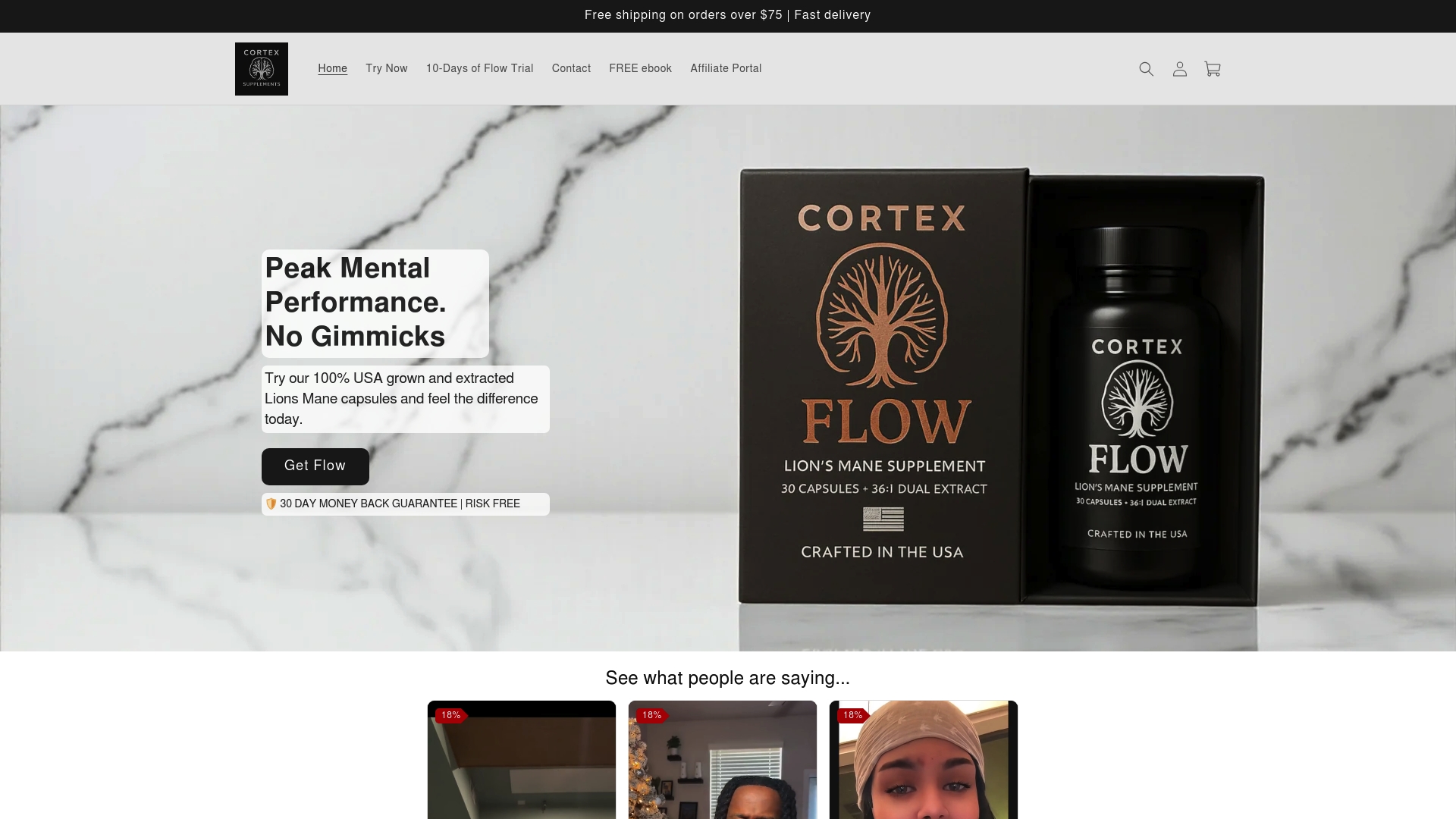
We grow our own mushrooms in Texas, controlling quality from cultivation through final encapsulation. This vertical integration ensures purity and potency you can verify through our transparent testing. For those new to Lion’s Mane supplementation, try our 10-days of Flow pack or join the 10 Day Flow Challenge to experience the cognitive benefits firsthand. Visit our website to explore detailed product information, user reviews, and the science behind our formulations.
Frequently asked questions
What is the difference between fruiting bodies and mycelium in supplements?
Fruiting bodies are the visible mushroom caps and stems containing concentrated beta-glucans and triterpenes, while mycelium is the underground network with different compound profiles. Fruiting bodies typically offer superior cognitive and immune benefits, though some species like Lion’s Mane benefit from combining both parts to capture complementary compounds.
How can I identify a quality fruiting body supplement?
Look for products explicitly stating “100% fruiting body” with beta-glucan content above 20%, extraction ratios of 10:1 or higher, and available Certificates of Analysis from third-party testing. Avoid products listing “myceliated biomass” or vague terms like “mushroom blend” without transparent sourcing details.
Are all mushroom supplements made from fruiting bodies?
No, many lower-quality products use mycelium grown on grain substrates, then grind everything together without separation. These myceliated biomass products contain mostly grain starch with minimal active compounds. Always verify the label specifies fruiting body content and check for third-party testing confirming beta-glucan levels.
What compounds in fruiting bodies support cognitive health?
Beta-glucans reduce neuroinflammation and support immune function, while hericenones (in Lion’s Mane fruiting bodies) stimulate nerve growth factor production essential for neuron health. Triterpenes provide antioxidant protection, and various polysaccharides improve cerebral blood flow. These compounds work synergistically to enhance memory, focus, and long-term brain health.
How long does it take to notice benefits from fruiting body supplements?
Most people experience noticeable cognitive improvements after 4-8 weeks of consistent daily use at recommended doses. Some individuals report subtle focus enhancement within 1-2 weeks, while more significant memory and clarity benefits develop over months. Consistency matters more than high doses for achieving optimal results with fruiting bodies in lion’s mane and other medicinal mushrooms.
Recommended
- What is fruiting body extract? Guide to cognitive support – Cortex Supplements
- What are fruiting bodies in lion’s mane supplements? – Cortex Supplements
- Lion’s mane fruiting body benefits: 36:1 extract boosts NGF – Cortex Supplements
- Lion’s Mane Fruiting Body: Cognitive Benefits Demystified – Cortex Supplements
